
- All (76)
- Footsteps of Rama (3)
- Himachal (16)
- Quiz (0)
- Temples (16)
Lesson 6
Bhog Naivedya
Refresher
Naivedya 2
Temples of Andhra
Manoj Gundanna 1
TempleFlashCard
Naivedya 1
Lesson 20
Deity Theft
SandeepJi Lessons
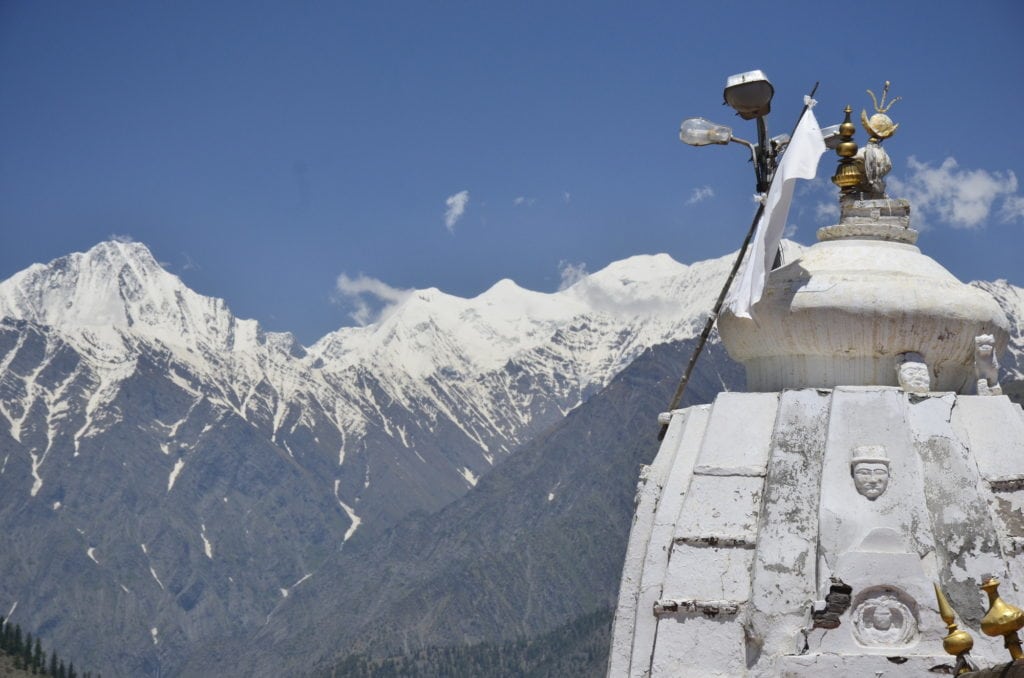
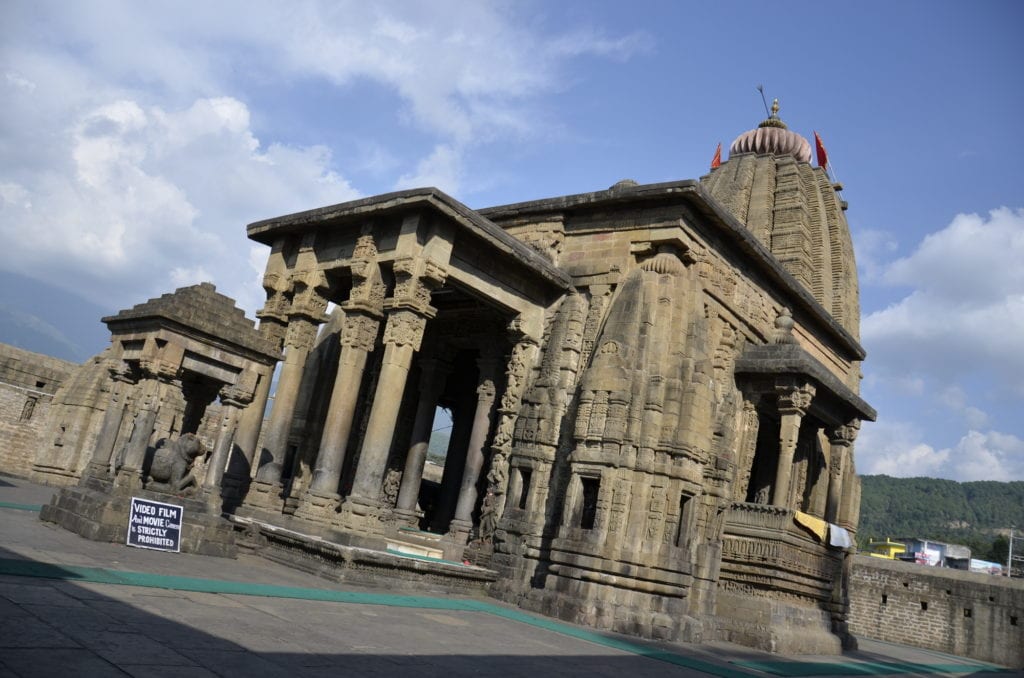
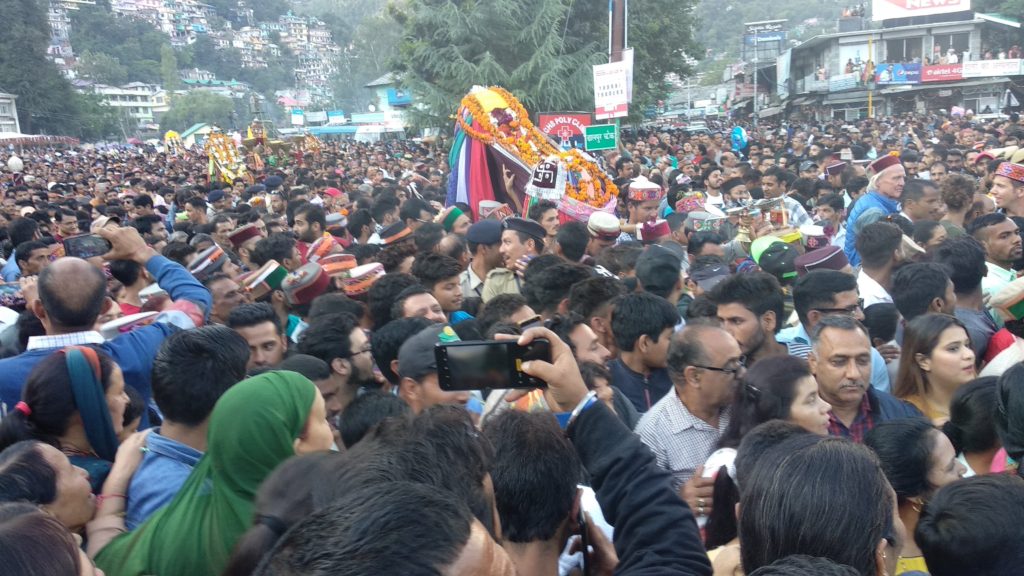
When the whole town is a temple, Kullu Dussehrah
Kullu Dussehrah. Temples of Himachal …11.
Kullu has long decoupled from Manali.
The thin riverside town doesn’t look pretty with narrow streets and its general untidiness is a misfit with the rest of Himachal. It has its glory though, for a week every year during Kullu Dussehrah. Kullu excels in the tradition of Devtas. Each village was a small kingdom with its own Devta and the tradition continues till today. The devtas resemble a vertical plate – all gold we hear. The Devtas advise and mediate; and fix every joy and address every sorrow. People say even elections are decided before polling by the Devta, with a sacrifice of a goat.
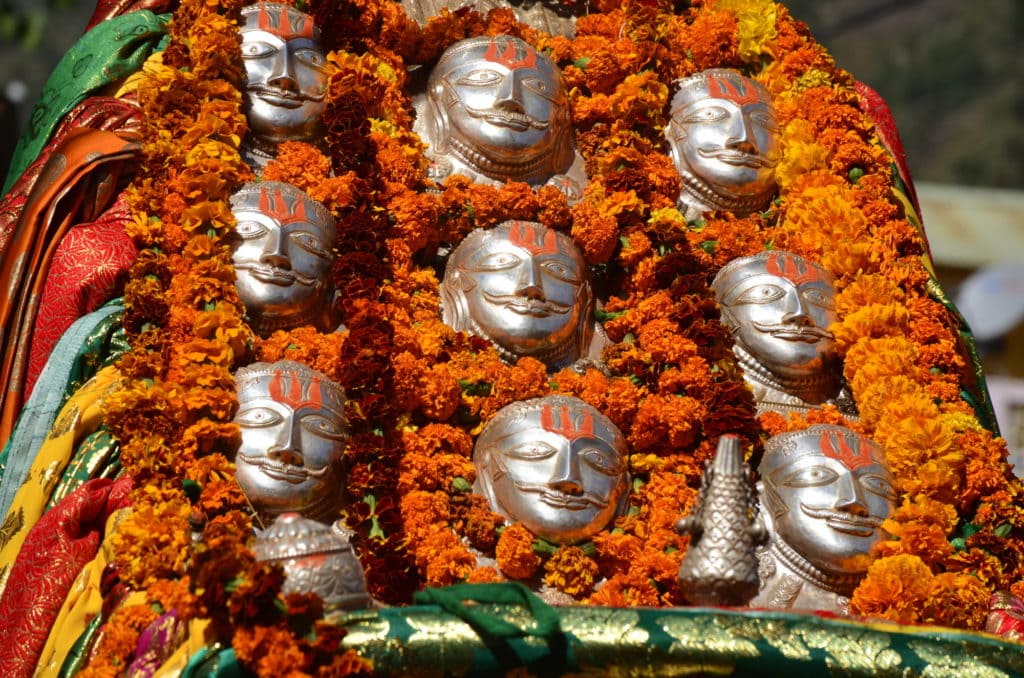
Devtas of the Dussehrah
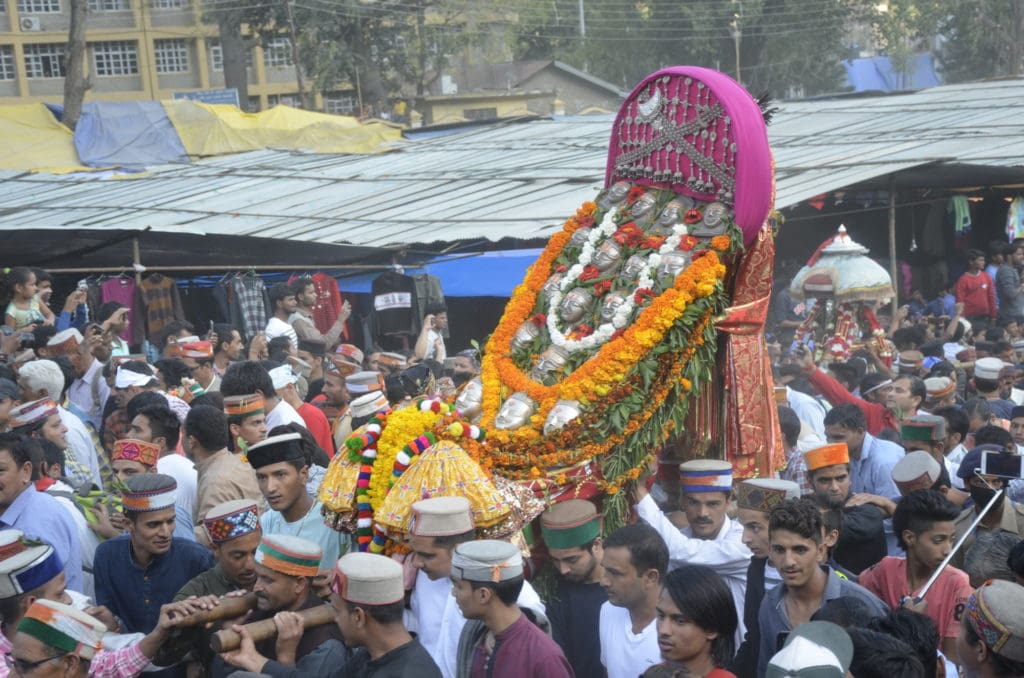
Raghunathji in Kullu is the presiding devta, with a legacy tracing back to Ayodhya. Each year, Raghunathji invites all the Devtas to Kullu, for a week. Even today, the District Magistrate writes a formal letter to each Devta on behalf of Raghunatji, inviting them to Kullu. The Dussehrah starts on the day it ends in rest of India, on Vijayadasami, and continues for a week after that.
The deities arrive on foot to Kullu, carried by villagers, around 225 each year. They visit Raghunathji and make their way to the large ground in Kullu. Each Devta has a designated area; and the villagers live, cook, eat and celebrate with their deity for a week.
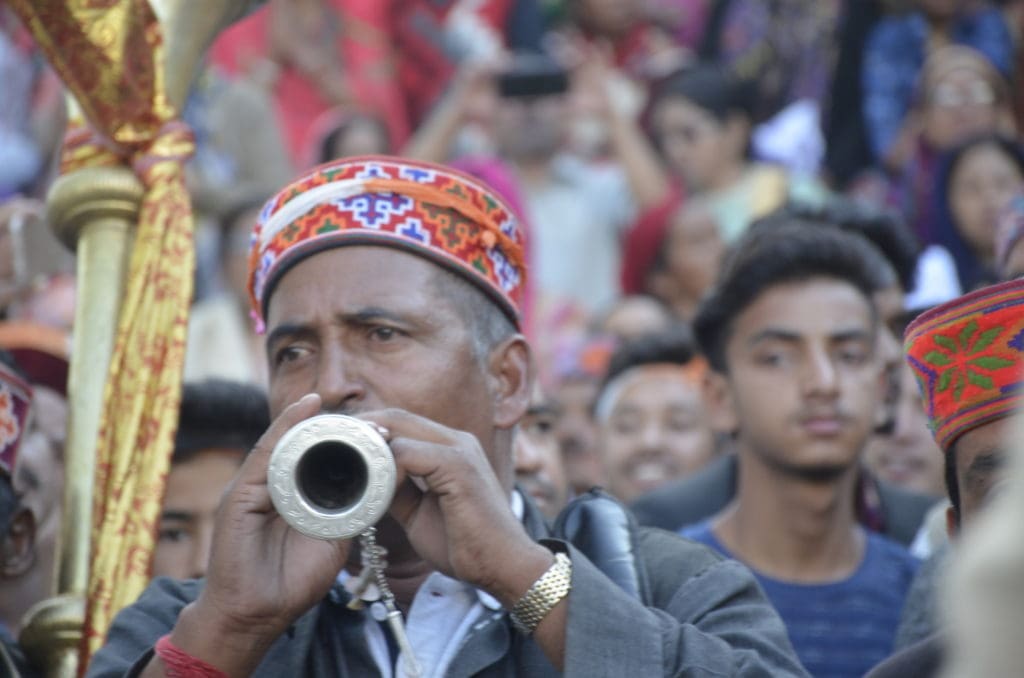
and the Dussehrah starts
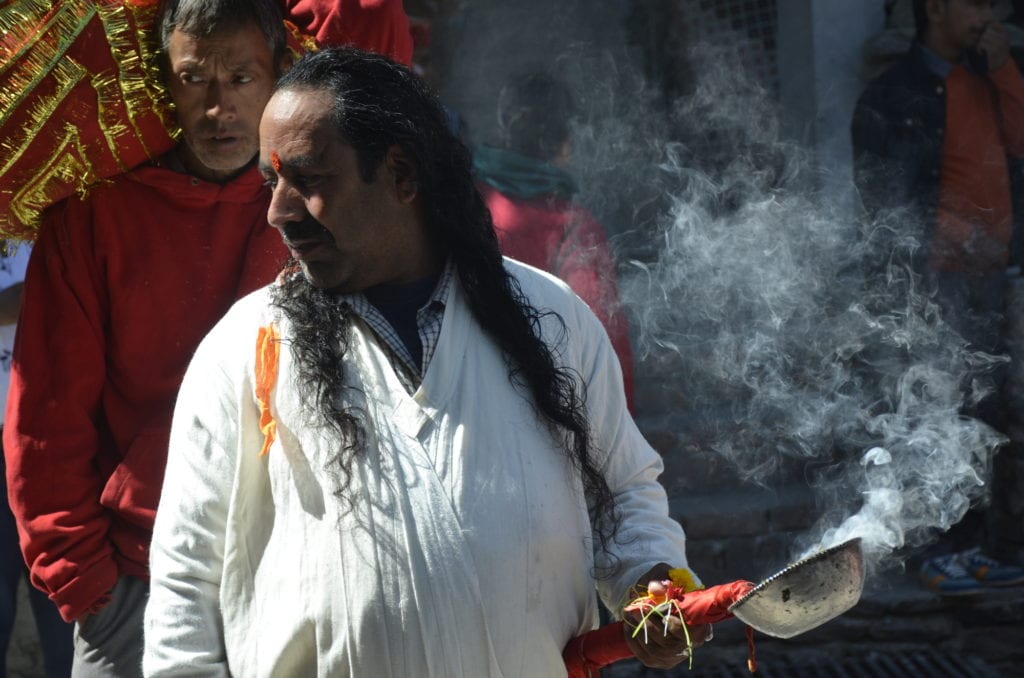
The priests of Kullu
I first saw the last day of Kullu Dussehrah in 2017 for a brief while; and then resolved to come back. Last year, I managed a whirlwind trip to see the opening day. The festivities are remarkable; the stream of Devtas and pilgrims paying respect to Raghunatji; then march their way through narrow and steep alleys to the ground. The joy and revelry at the ground in the evening. Women dressed in Kullu fineries. Children awestruck at the chaos which no You Tube can show.
If you want to live a festival with no center of gravity, think of Kullu., the coming together of 200+ deities in one place. There is raw festivity, colours, noise, crowds and celebration.
After all, these seven days, the whole town is a temple.
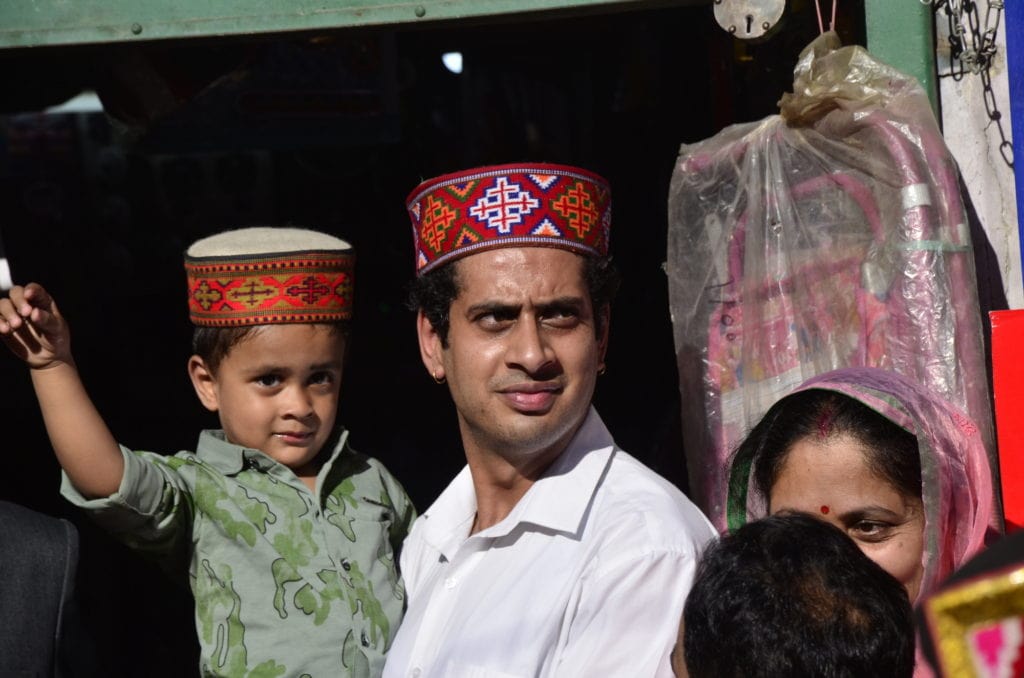
Curiosity of the Kullu Dussehrah
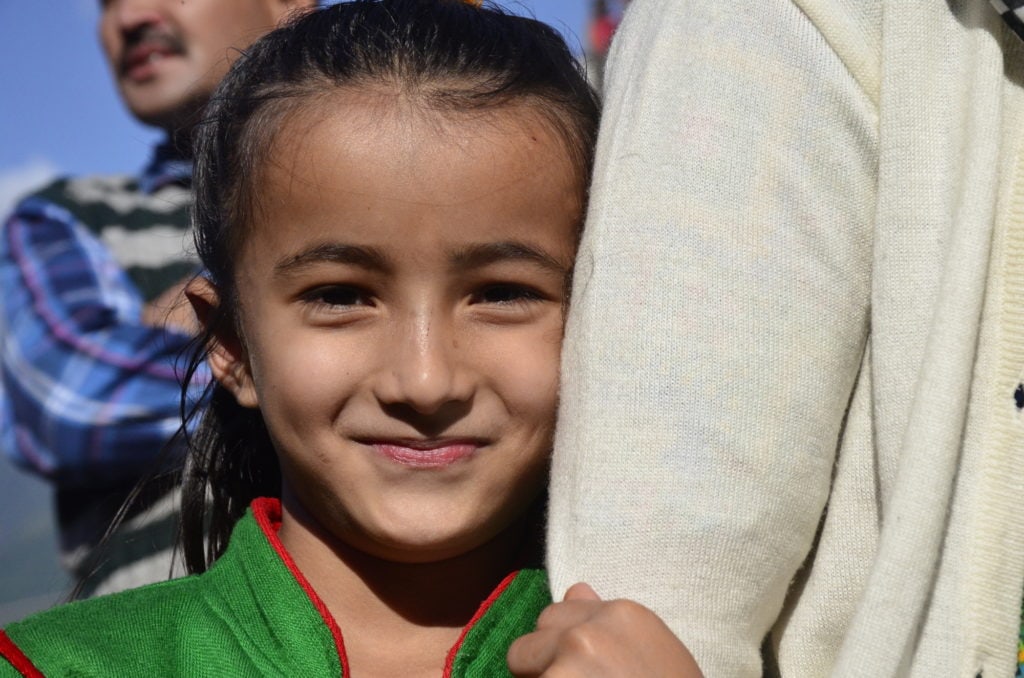
My daddy strongest
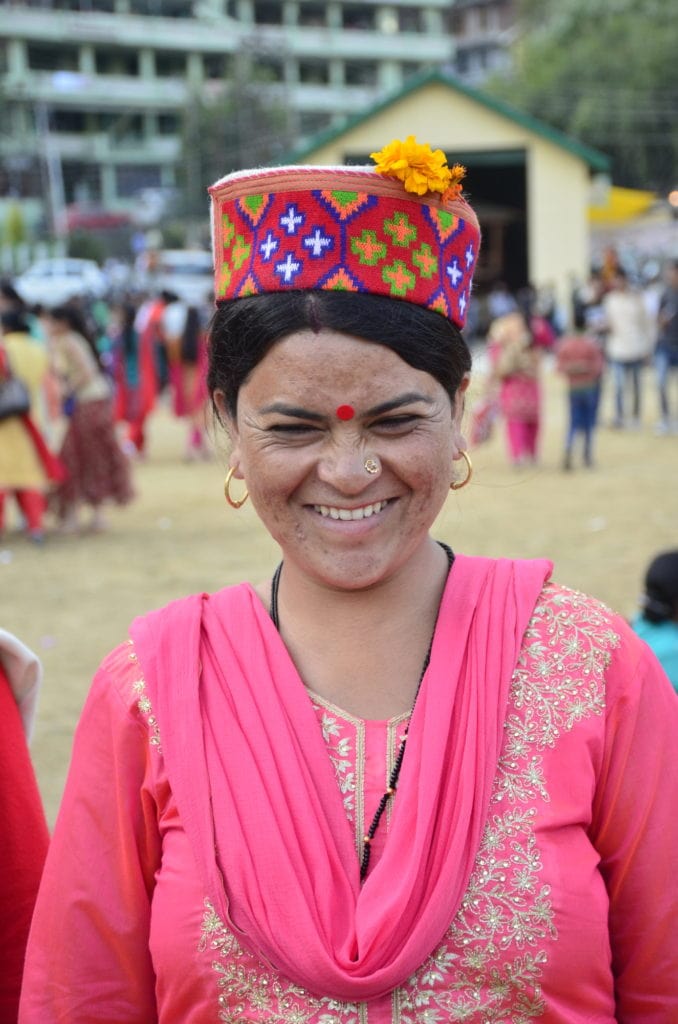
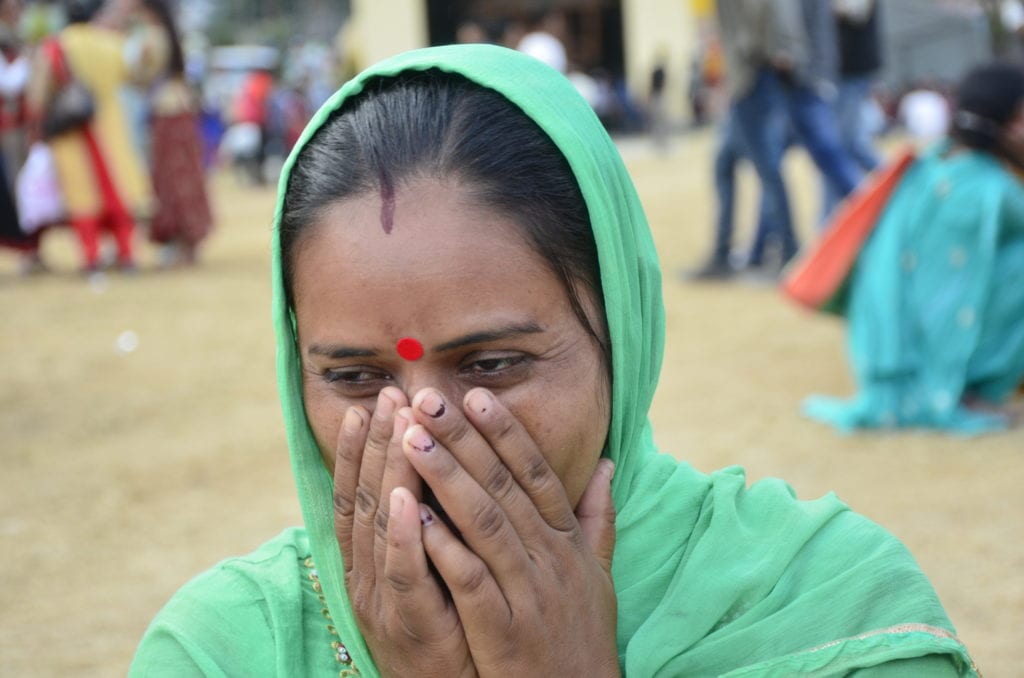
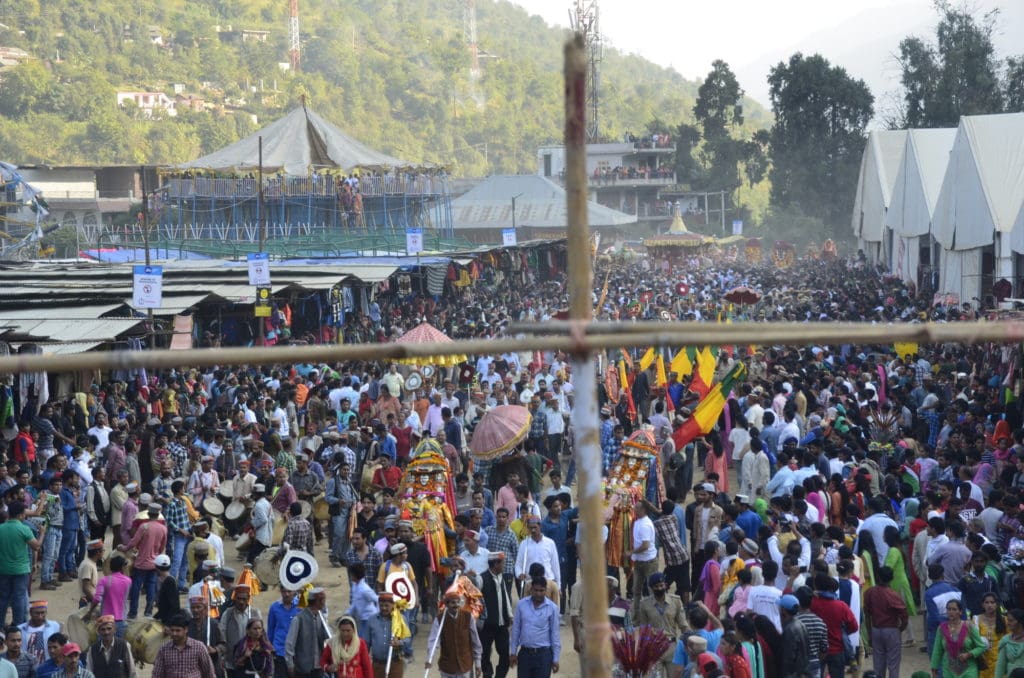
The last day procession
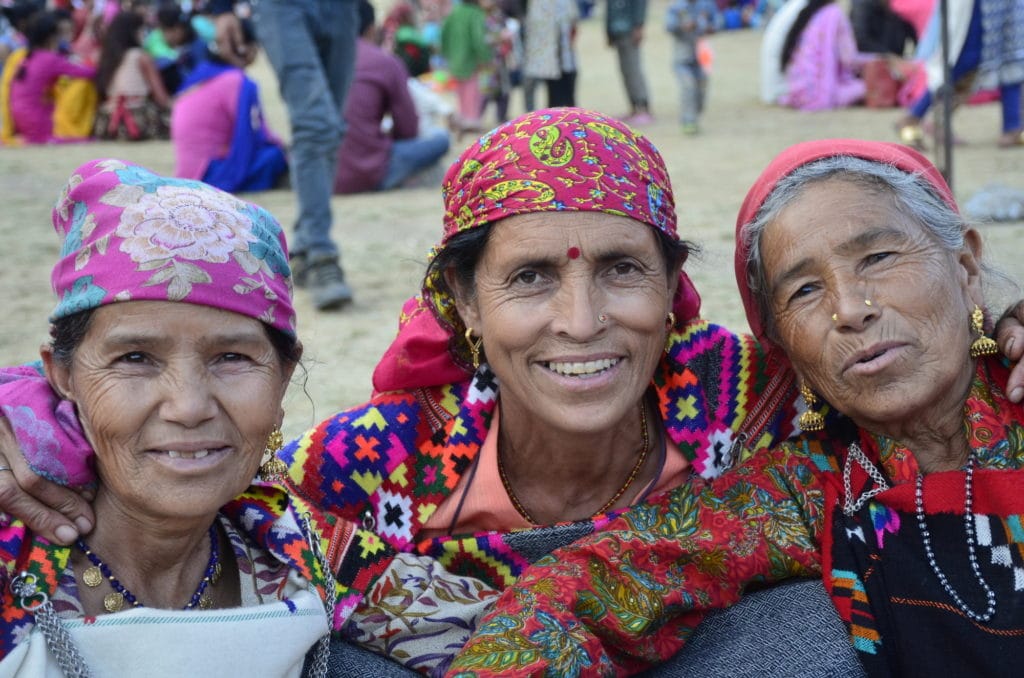
The finest of Kullu women at the Dussehrah
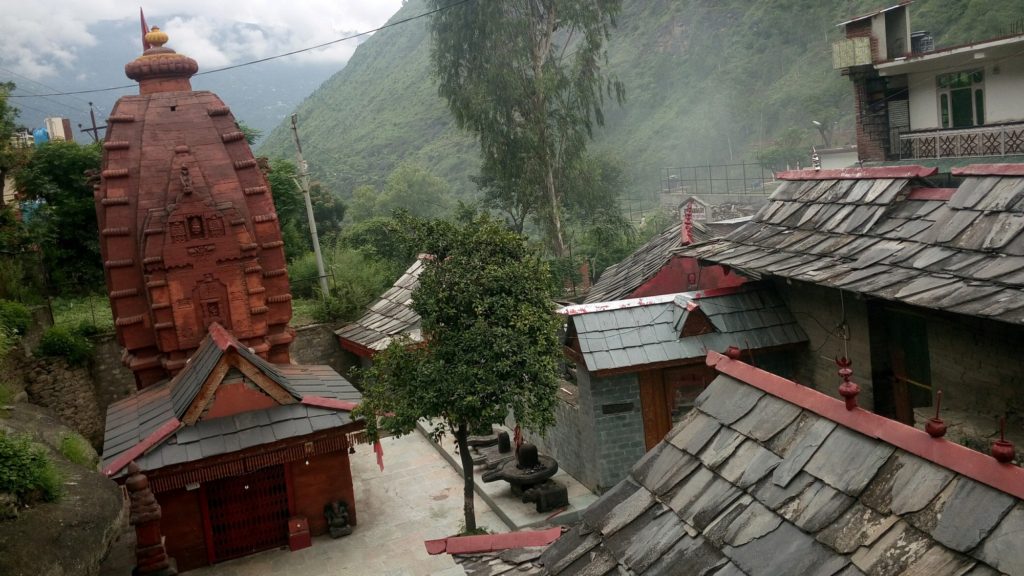
Sun Temple of Sutlej Valley, Nirath
Sun Temple of Nirath. Temples of Himachal …3.
Depending on the source you rely on, there are 2 or 4 or 12 Sun temples in India. Konark takes most of the mind space, deservedly. Nirath along the banks of Sutlej in Himachal hosts one of the small and quaint Sun Temples. I was biking back from Chitkul, which is marketed as the last village in Indian territory. I know a 80 year old lady who has incredible travel spirit and she suggested stopping by Nirath. So, I went.
The town is a sliver of settlements between the Hindustan-Tibet (yes) highway and the Sutlej river. The temple is tucked away and you would miss it if you just stick to the highway. It has its own Goshala and a tiny grazing ground and in fact, a calf was lounging by the dining area when I paid a visit.
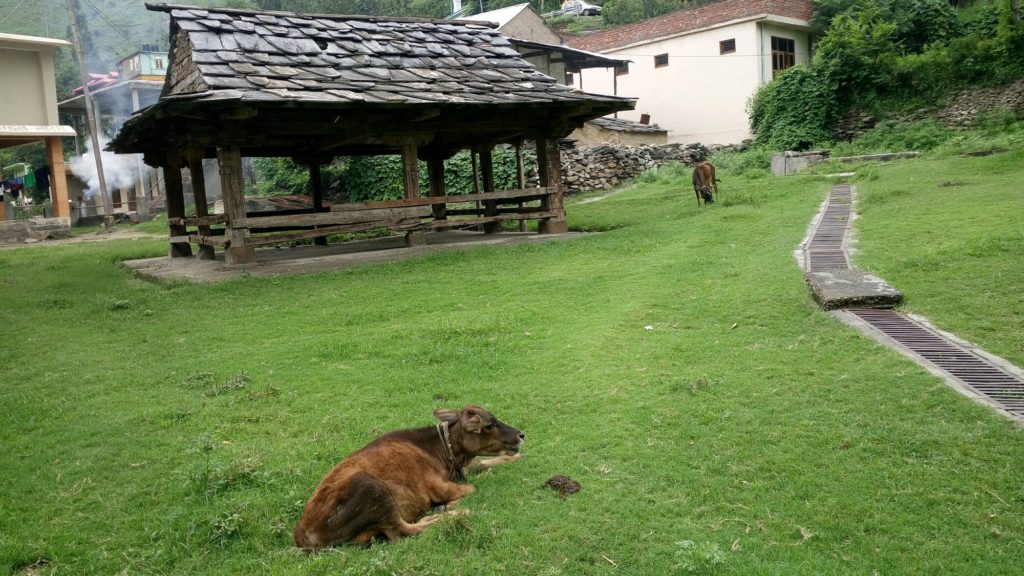
The cow at its dining grounds at Nirath
It was almost noon and there was no one around. The temple was locked, but there was a way to jump in. By the time I was ready to leave, someone came and opened the gate, and pointed out a mobile number scratched on the wall — a contact for the Pandit.
Nirath is small but the journey has its own rewards. Two hours from Shimla and the road drops by 7000 feet to reach the Sutlej valley, a spectacular drive by itself. In and around Nirath, you can see the magic that the Sutlej weaves, especially in monsoons. The drive is also along the apple country that eventually leads to Kinnaur.
Sun temple, Sutlej and apples… Nirath.
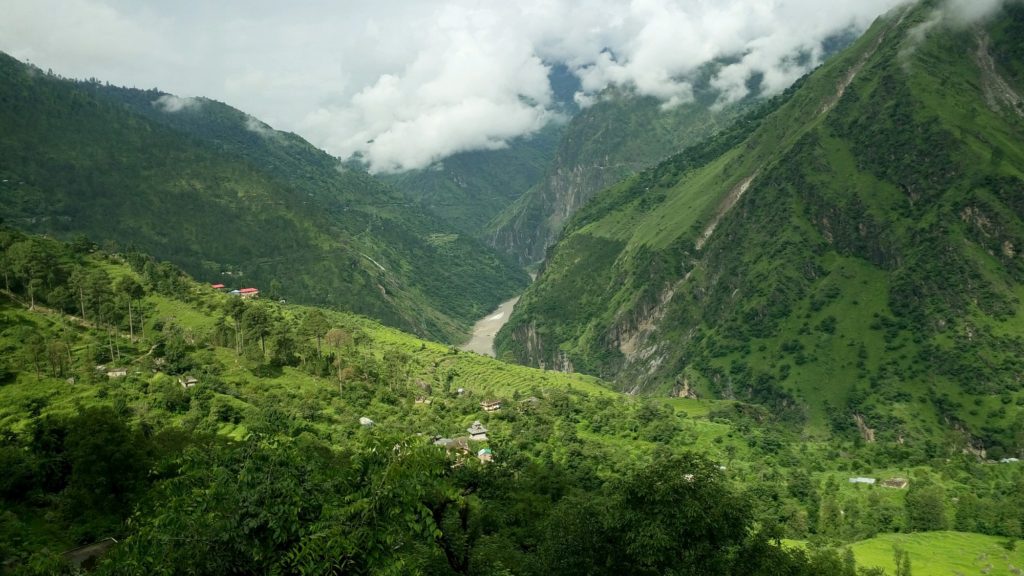
Sutlej, like a ribbon, near Nirath
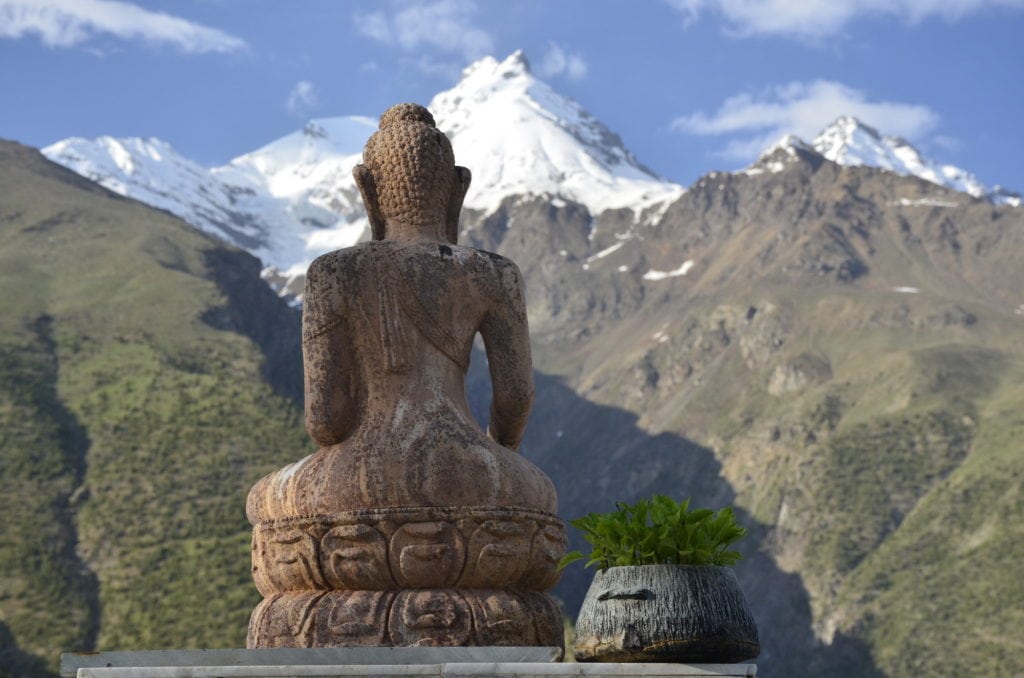
Philosophy at a glance, Kardang
Kardang Monastery. Temples of Himachal … 4.
Kardang is one of the many monasteries in Keylong. Probably one of the oldest, the building has been rebuilt maybe several times. It looks quite modern despite being 900 years old.
It is across the Bagha river that flows fast, thin and deep. The walk requires either a steep trek down and up, crossing the river (or) a long winded drive which crosses the river further ahead at Tundi with a gentle, but long drop and climb.
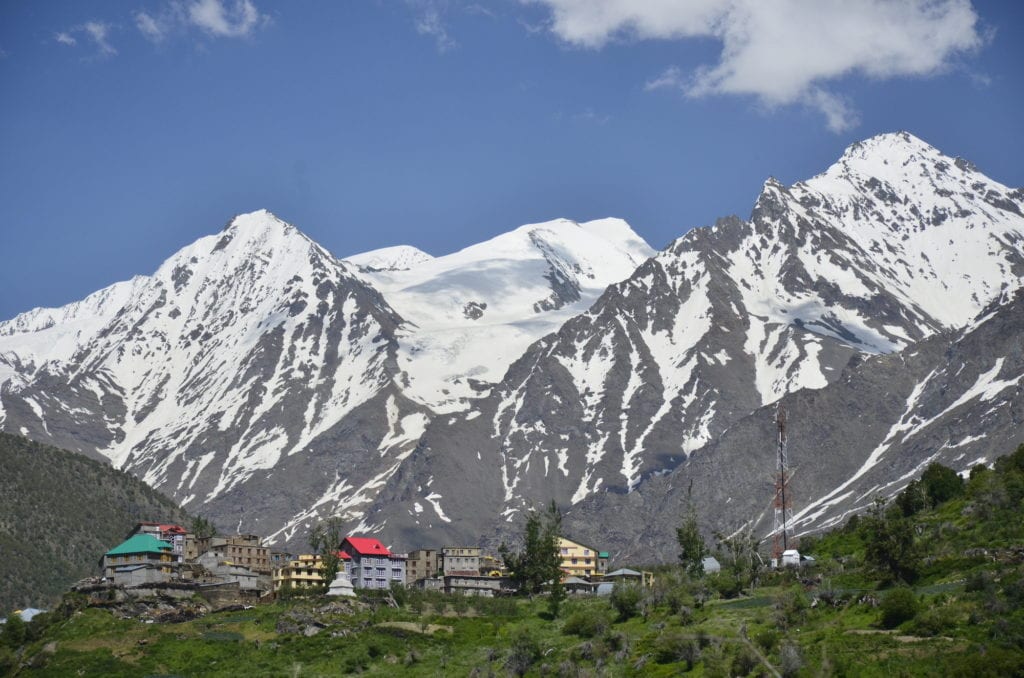
The views across Keylong
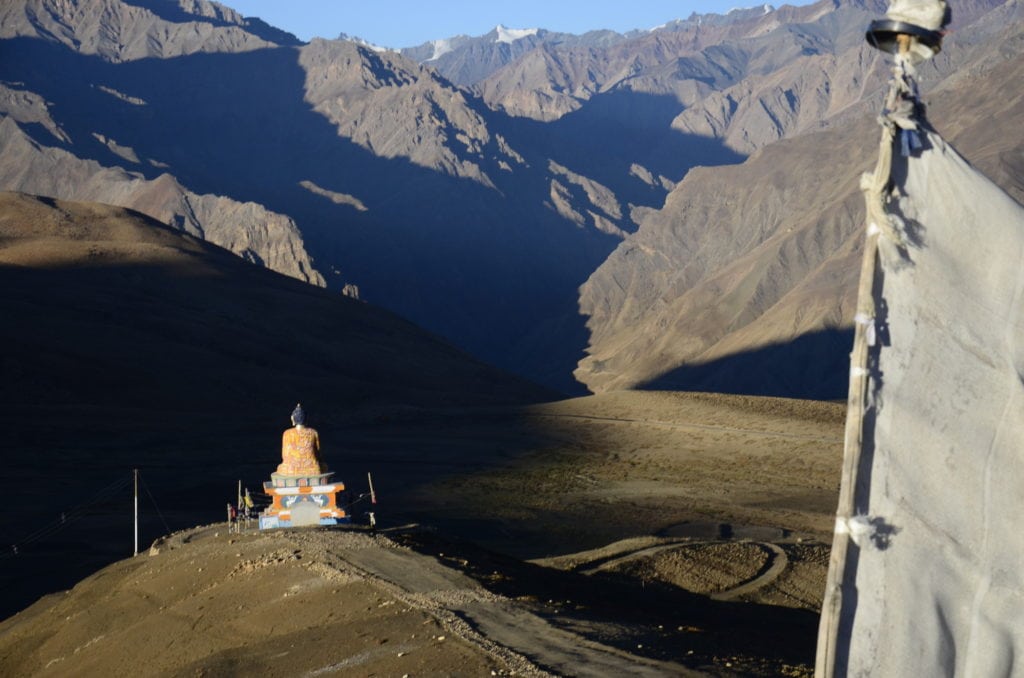
Armed with a scooty, I chose the drive and by evening, reached the monastery. The monastery has several things to see, including the rock carvings that I unfortunately missed. However, the most striking part of the monastery is outside of it. A sitting Buddha, maybe three or four feet tall, made of sandstone that you could mistake to be from Orissa. The Buddha is seated on a pedestal that is chest high, with a small pot of plants next to him. He overlooks the snowy peaks of the north, Ladakh and beyond.
To gaze along Buddha’s line of vision is to live the entire Buddhist philosophy in a single moment. There is absolute nothingness in terms of civilization. The view jumps over all of Keylong, the grassy slopes above it, and the treeless rock faces further above. You see Buddha and then the sharp snow clad mountains at the distance, in one frame.
Few places summarise their philosophy in just the setting. Kardang is one such.
Kardang, across Keylong, Lahual, Himachal.
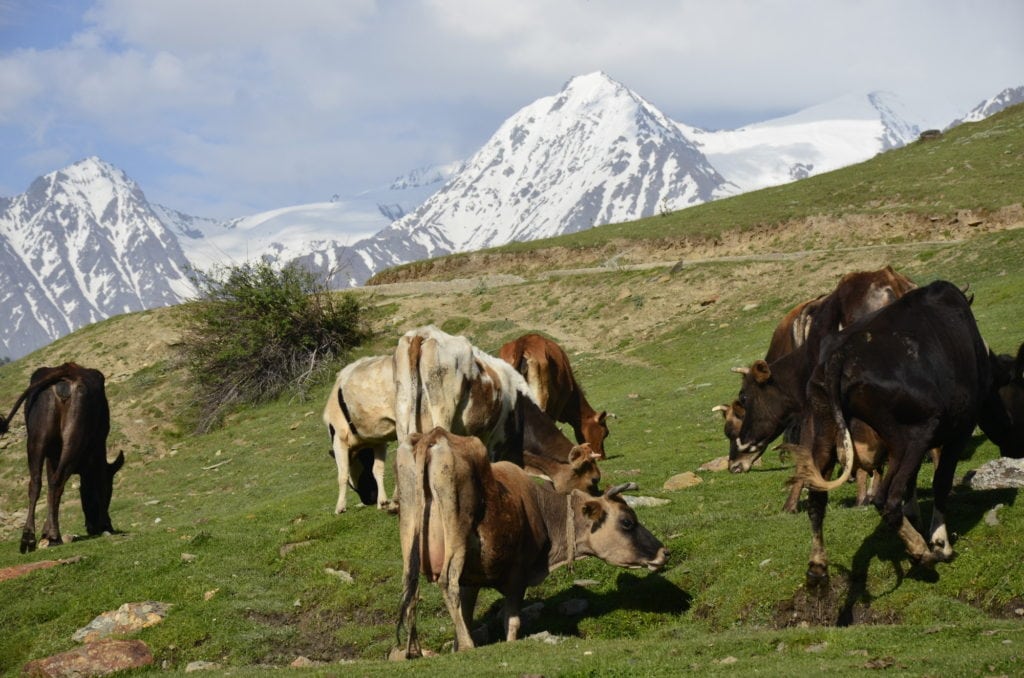
Grazing pastures near Kardang monastery
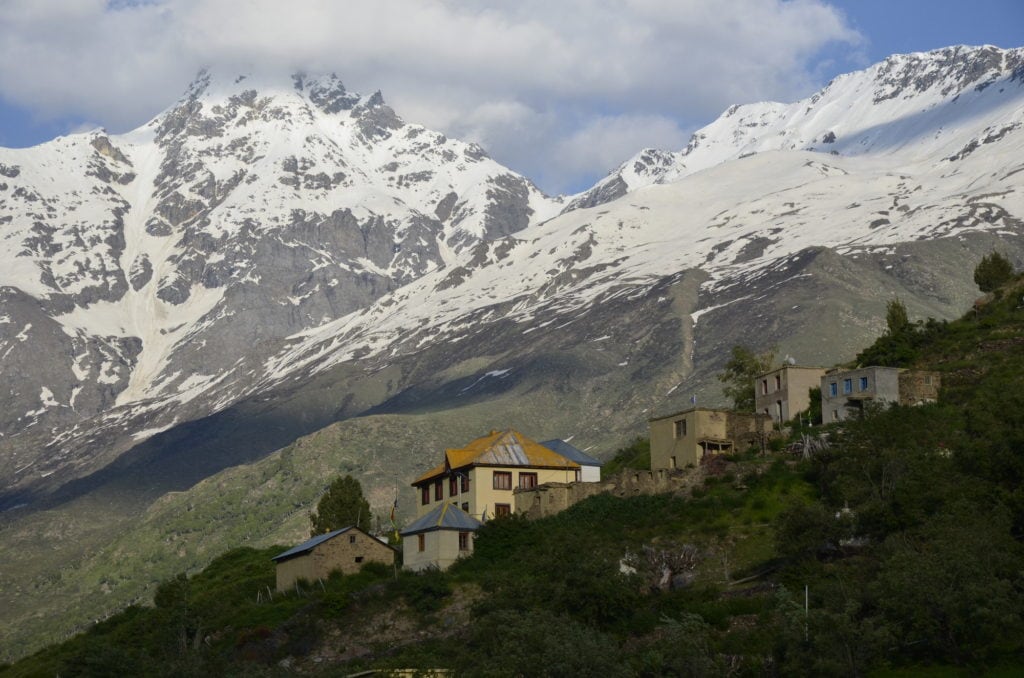
Views behind the Kardang Monastery
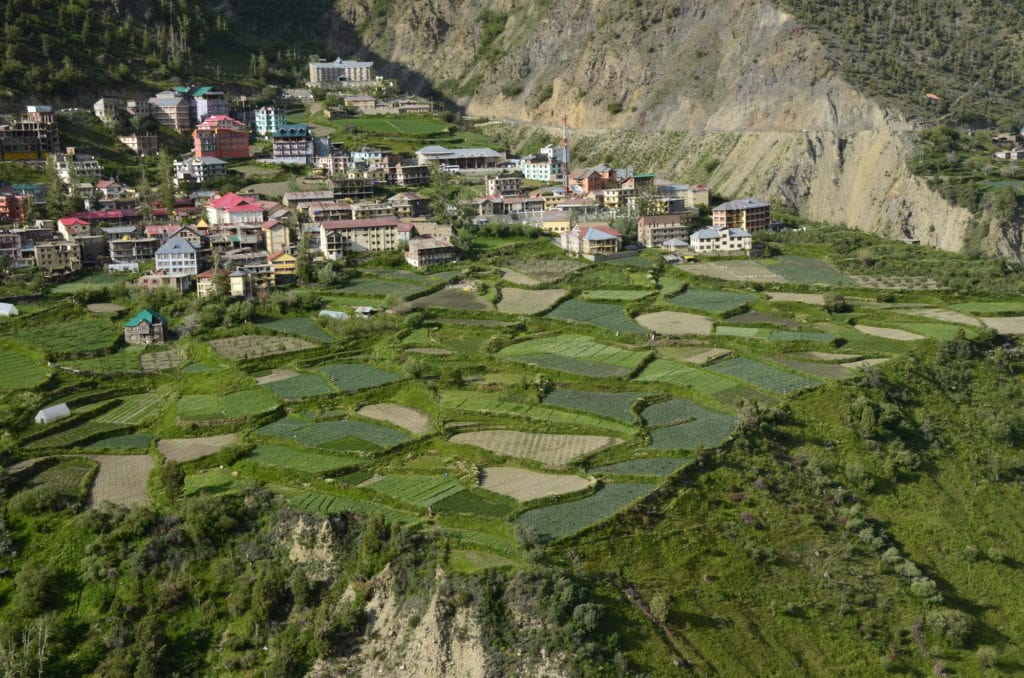
Keylond and its fields, from Kardang Monastery
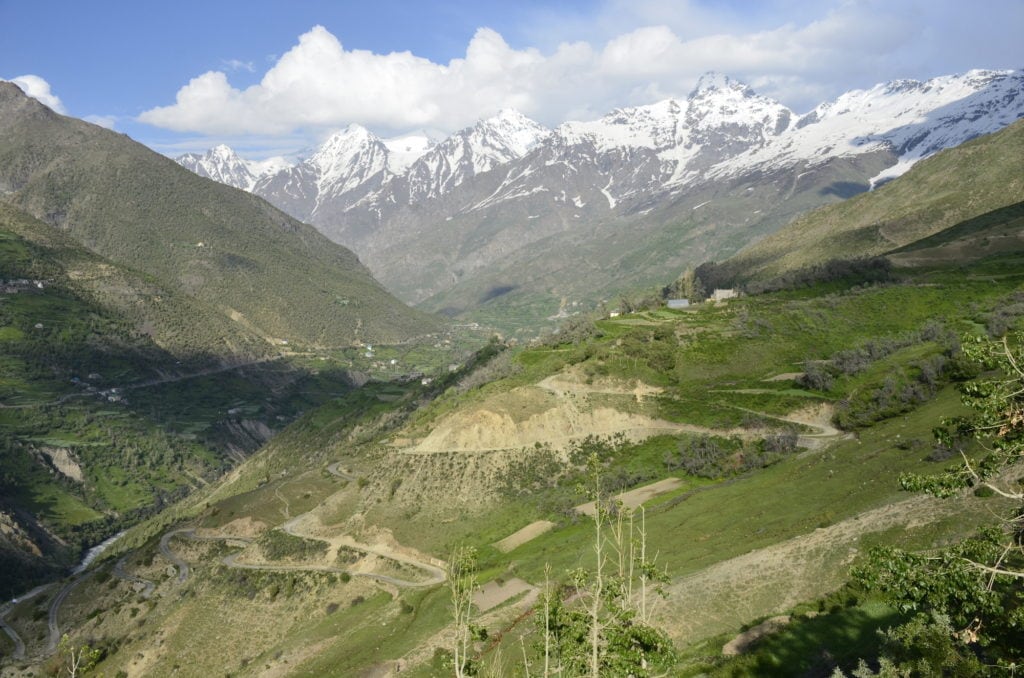
The Bagha valley at Keylong