
- All (76)
- Footsteps of Rama (3)
- Himachal (16)
- Quiz (0)
- Temples (16)
Temp Quiz Page

Diwali Quiz – Antiquity and Diversity
Diwali Quiz – History and Diversity
Diwali Quiz – Antiquity and Diversity
Diwali Quiz – History and Variety
Diwali Quiz – History and Variety
AskHow Rediscovery of India

Devi – A Quiz
Diwali- A Quiz
Temples in Pictures
Share your own question
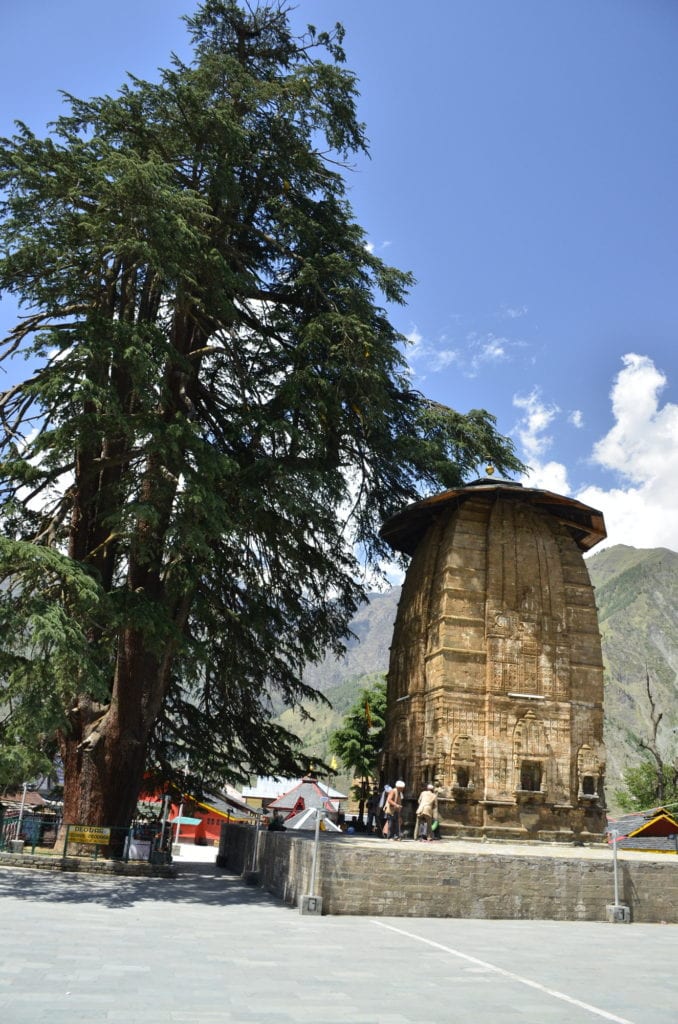
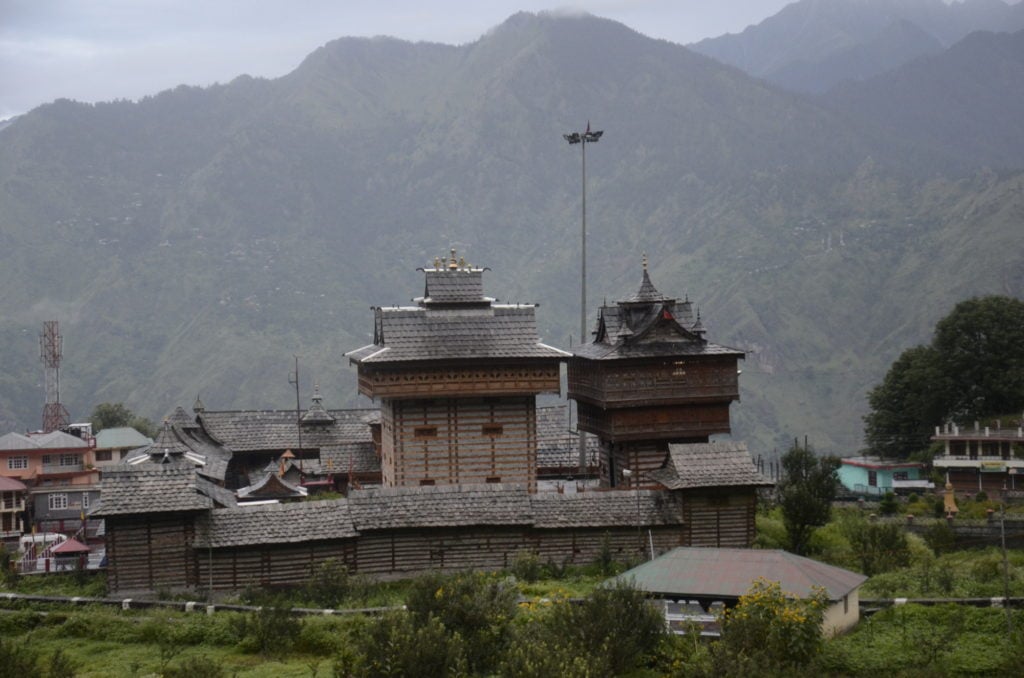
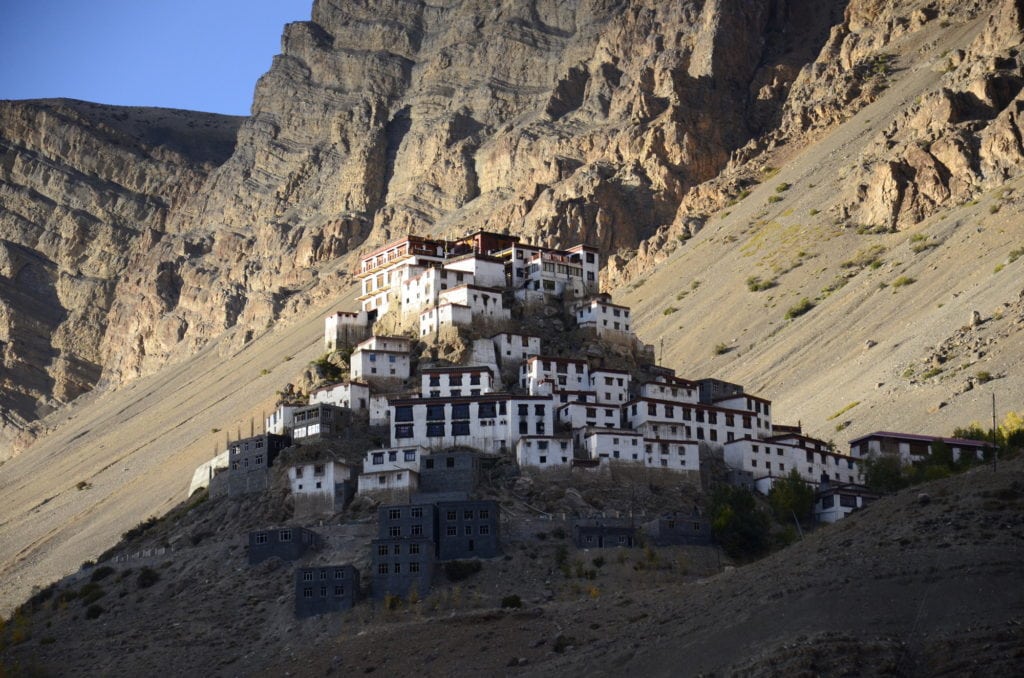
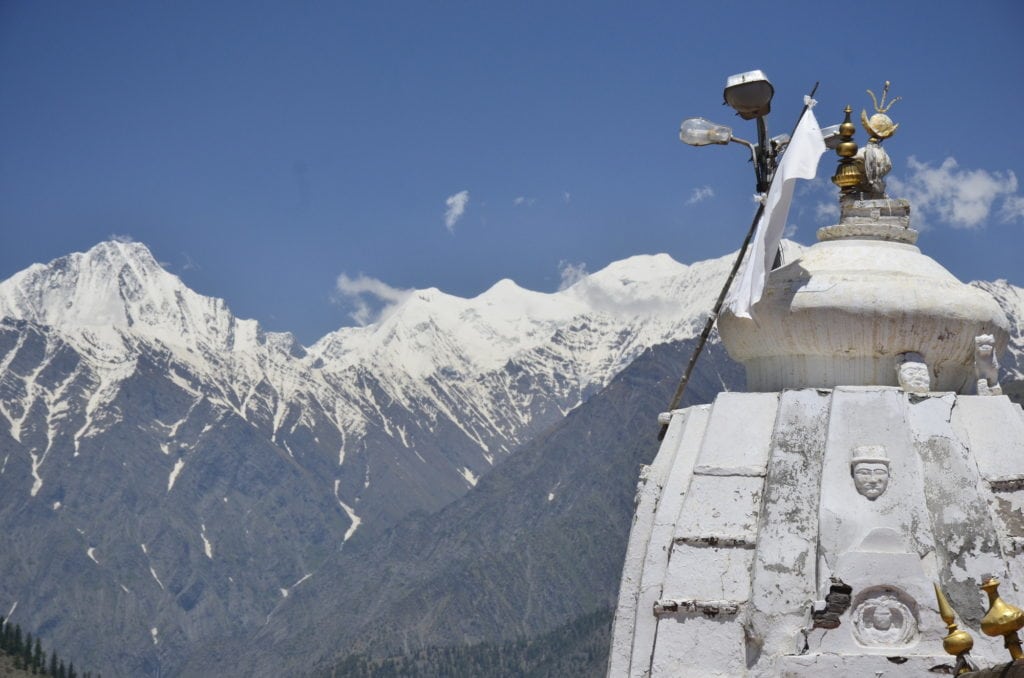
When the whole town is a temple, Kullu Dussehrah
Kullu Dussehrah. Temples of Himachal …11.
Kullu has long decoupled from Manali.
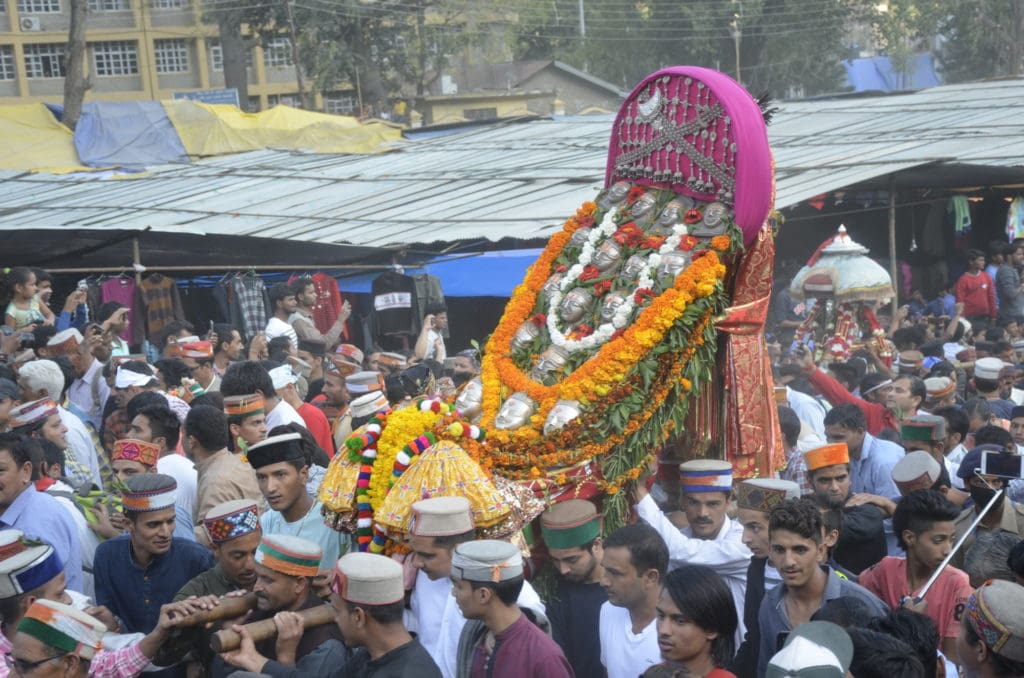
The thin riverside town doesn’t look pretty with narrow streets and its general untidiness is a misfit with the rest of Himachal. It has its glory though, for a week every year during Kullu Dussehrah. Kullu excels in the tradition of Devtas. Each village was a small kingdom with its own Devta and the tradition continues till today. The devtas resemble a vertical plate – all gold we hear. The Devtas advise and mediate; and fix every joy and address every sorrow. People say even elections are decided before polling by the Devta, with a sacrifice of a goat.
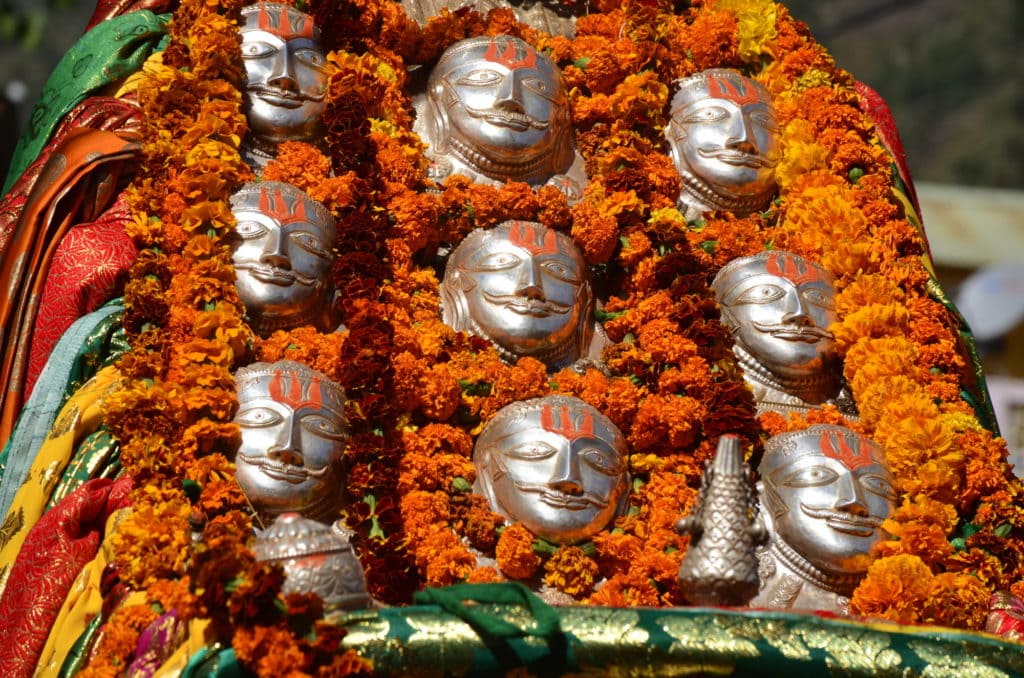
Devtas of the Dussehrah
Raghunathji in Kullu is the presiding devta, with a legacy tracing back to Ayodhya. Each year, Raghunathji invites all the Devtas to Kullu, for a week. Even today, the District Magistrate writes a formal letter to each Devta on behalf of Raghunatji, inviting them to Kullu. The Dussehrah starts on the day it ends in rest of India, on Vijayadasami, and continues for a week after that.
The deities arrive on foot to Kullu, carried by villagers, around 225 each year. They visit Raghunathji and make their way to the large ground in Kullu. Each Devta has a designated area; and the villagers live, cook, eat and celebrate with their deity for a week.
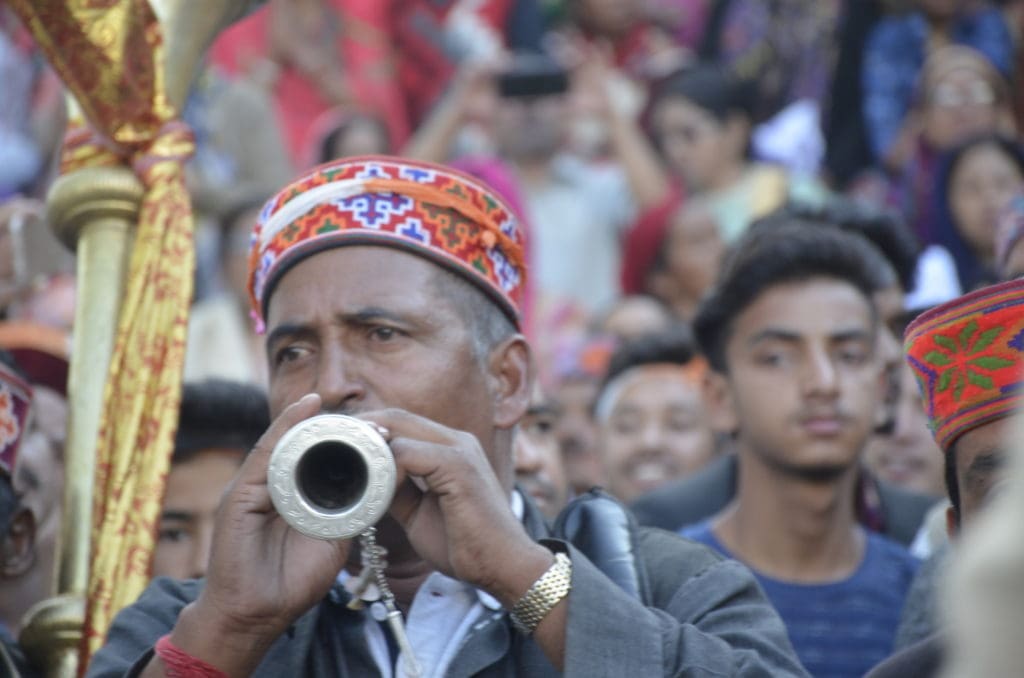
and the Dussehrah starts
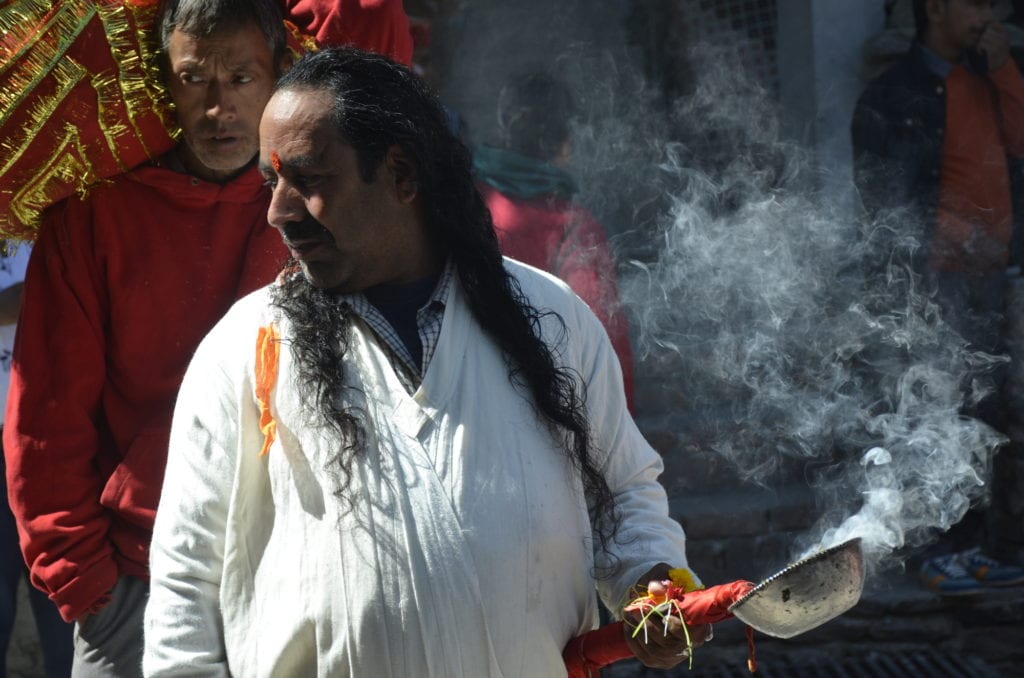
The priests of Kullu
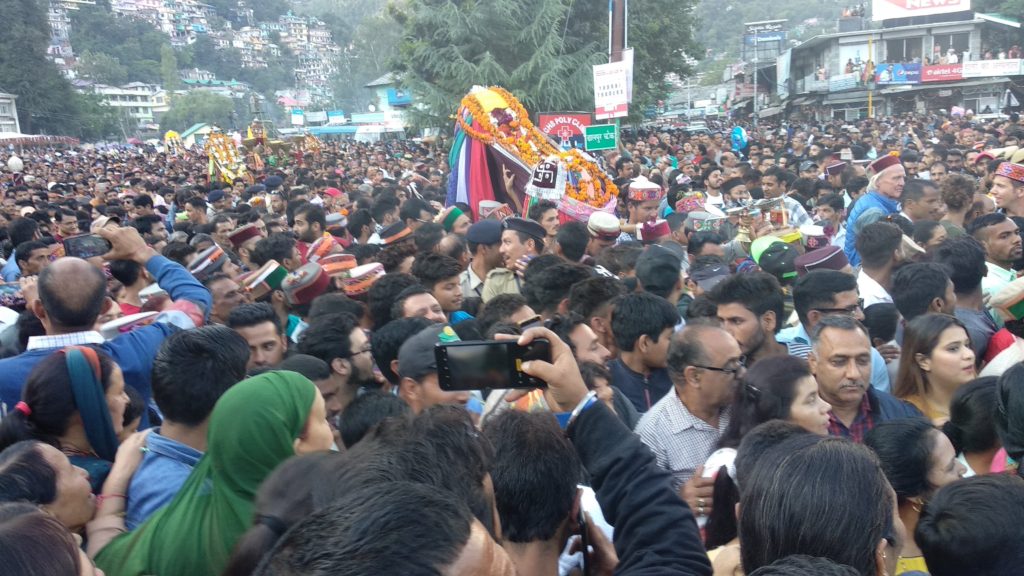
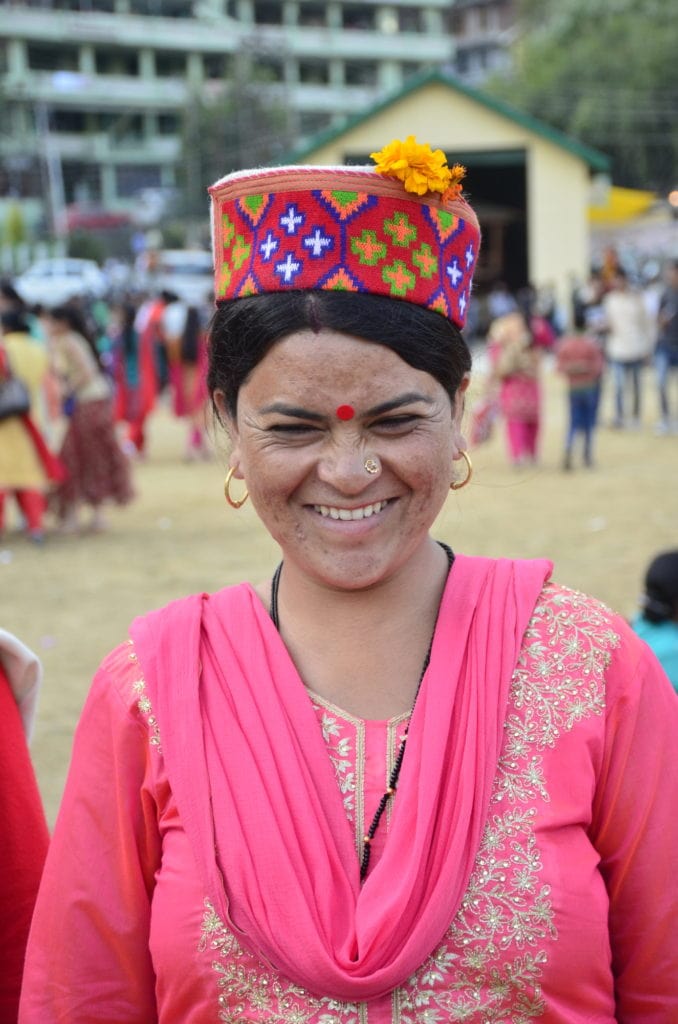
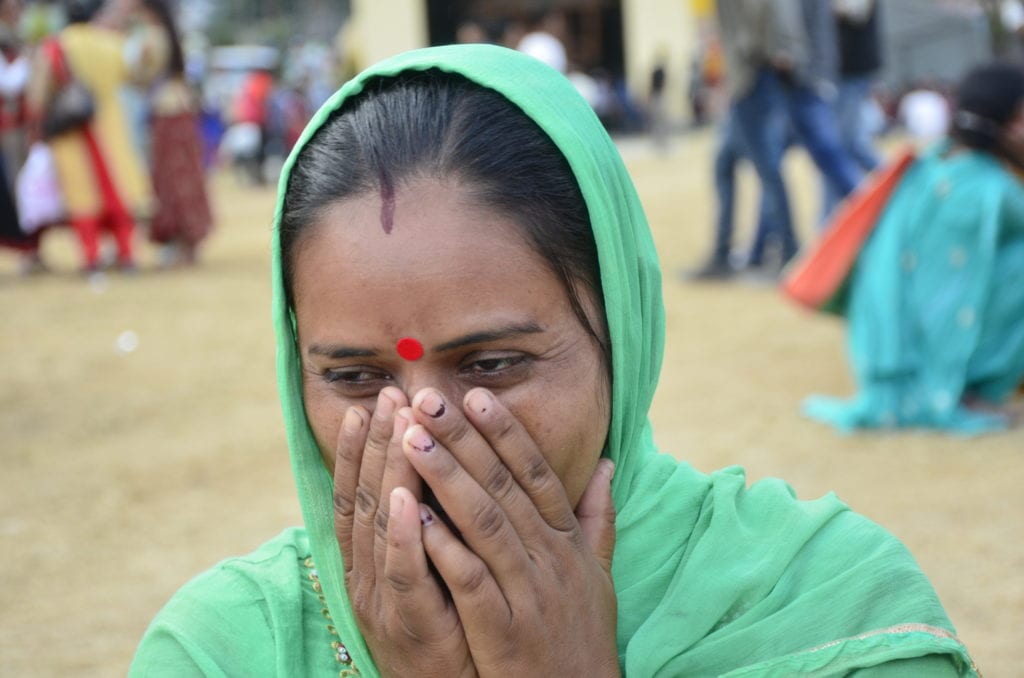
I first saw the last day of Kullu Dussehrah in 2017 for a brief while; and then resolved to come back. Last year, I managed a whirlwind trip to see the opening day. The festivities are remarkable; the stream of Devtas and pilgrims paying respect to Raghunatji; then march their way through narrow and steep alleys to the ground. The joy and revelry at the ground in the evening. Women dressed in Kullu fineries. Children awestruck at the chaos which no You Tube can show.
If you want to live a festival with no center of gravity, think of Kullu., the coming together of 200+ deities in one place. There is raw festivity, colours, noise, crowds and celebration.
After all, these seven days, the whole town is a temple.
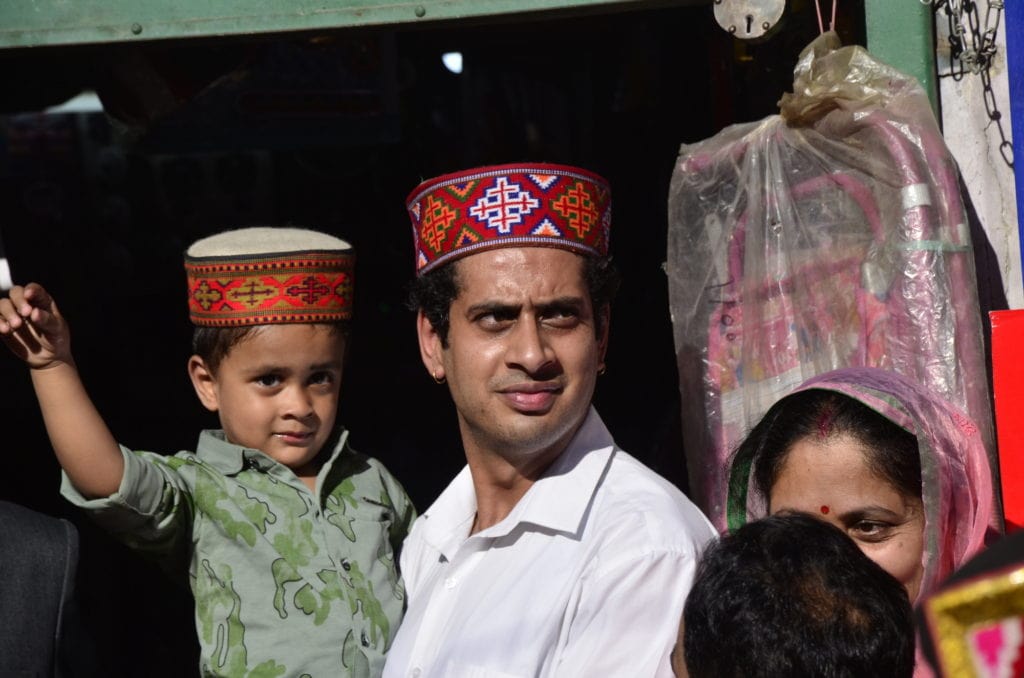
Curiosity of the Kullu Dussehrah
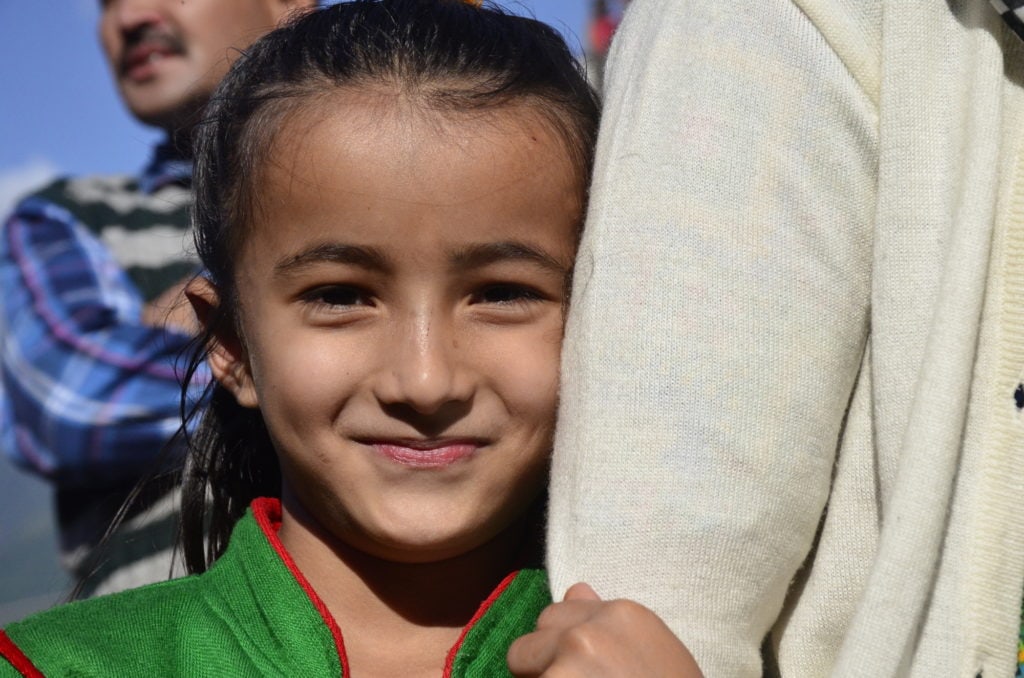
My daddy strongest
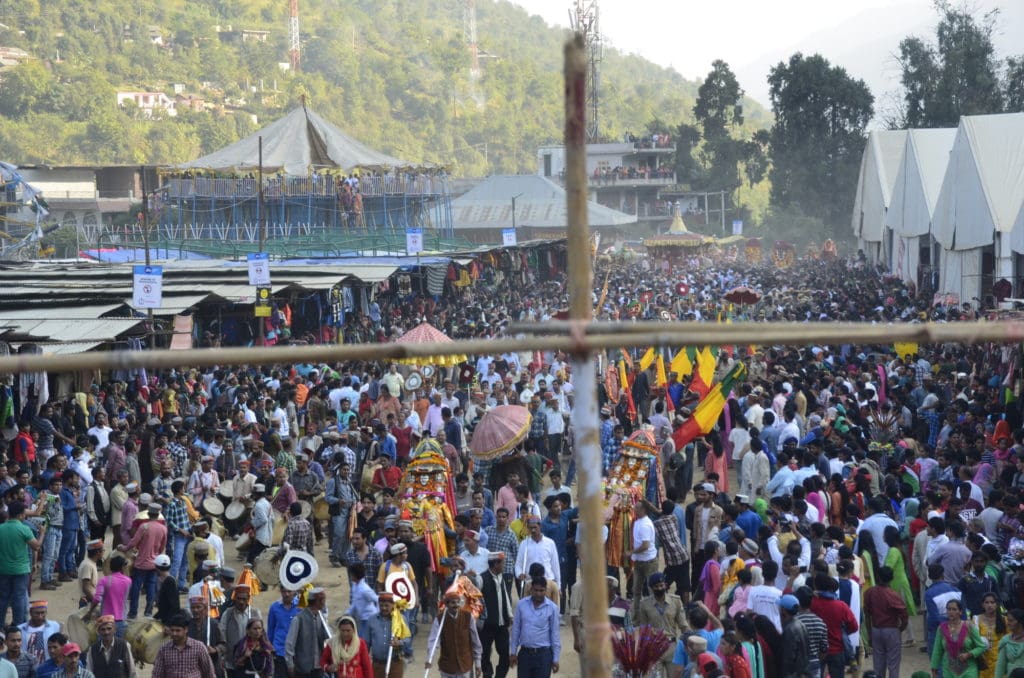
The last day procession
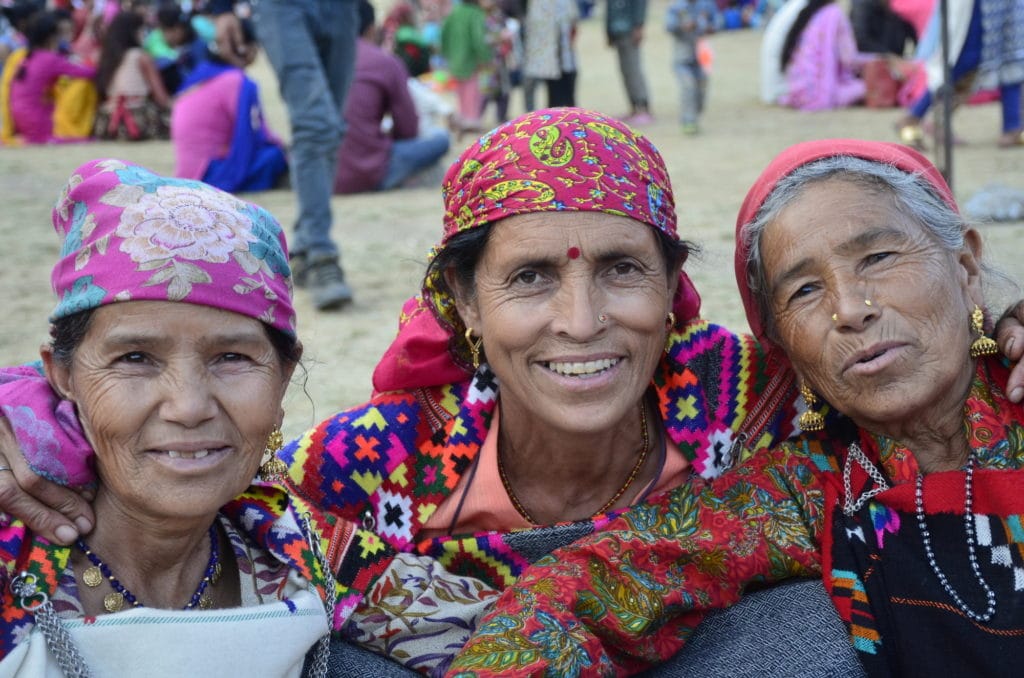
The finest of Kullu women at the Dussehrah
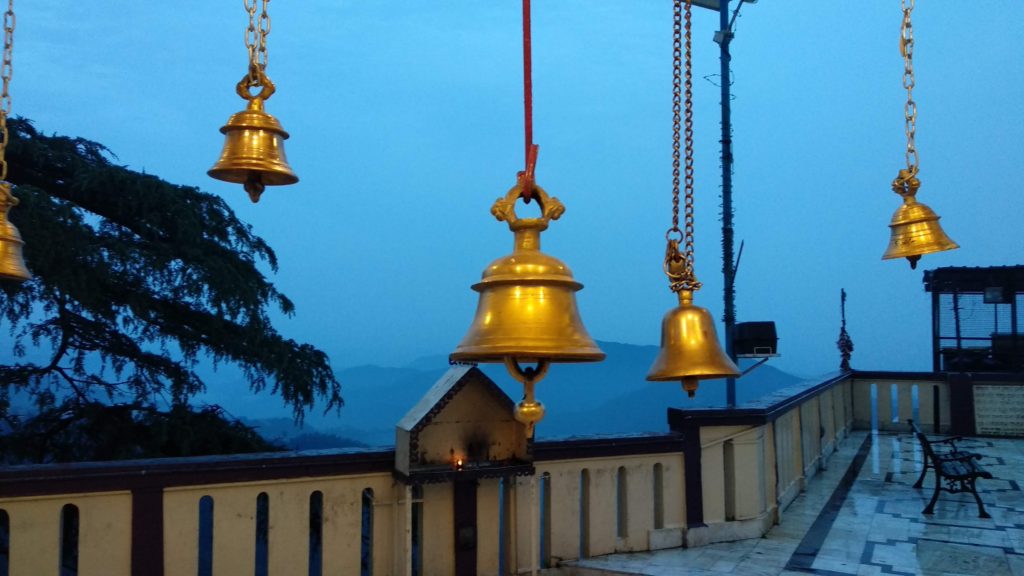
Everyday life at Kali Bhari, Shimla
Kali Bhari at Shimla. Temples of Himachal …10.
There are grand temples, there are popular temples and there are temples at great locations. Then there are some that are part of everyday life.
Kali Bari temple in Shimla is a part of the daily life. It is an interesting blend of native history and migration. Kali as Shyamala represents what is native, giving the city its name; and as Kali, gives identity to the Bengalis who accompanied the British into the city in its early years.
It is at the western end of the ridge, a few hundred meters after Scandal point where most tourists stop. My client in Shimla has a habit of walking to the temple every day, and I have accompanied him a few times.
The temple is grand because of this routine of its devotees. One June, we were at the temple when it had started raining heavily, The chill was unbearable and bare feet were making it worse. I took a glance from within the temple outside.
There is a small but open courtyard and you can look at all of Shimla from there. A bench if you are tired of the walking, a tiny oil lamp on the wall, shielded from the rain and snow; which must have been here since 1845. Then the sight of modernity – a solar lamp post. The sight of the bells in the background of dusk, create serenity. The locality is nothing such, but faith does create an oasis.
Everyday life at Kali Bari temple, Shimla
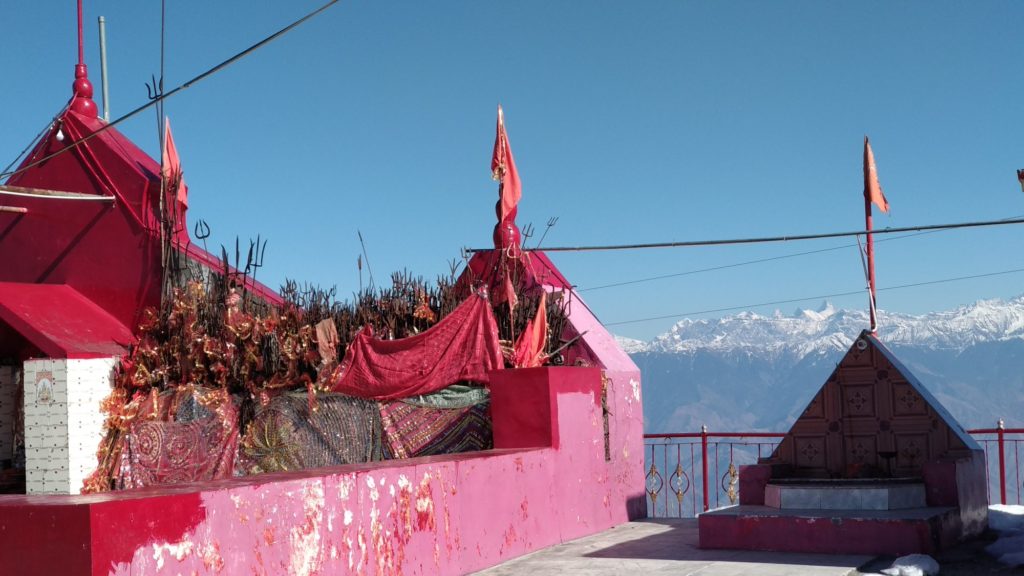
Mataji, Mountains and Maggi, Dainkund
Dainkund. Temples of Himachal… 6.
There are several temples in Himachal on hilltops. Although they are neither grand nor popular, the location makes up for it.
Dainkund is one such temple. At about 9000 feet height, it is near Dalhousie, itself lesser visited than Dharamshala or Shimla. It is a nice family hike, not too strenuous for anyone; It offers a 180 degree plus view of Himalayas, if you are blessed with a clear day.
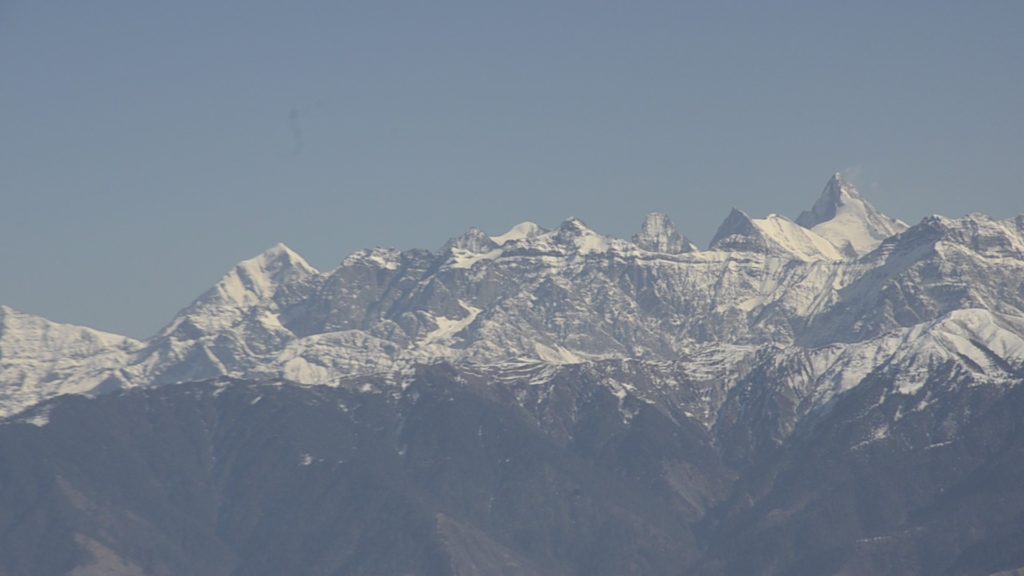
180 degree plus views from Dainkund
Dainkund is a hilltop drive from Dalhousie till a fork, after which the road is controlled by armed forces. My guess is a radar station and missile defence. That makes it a perfect location for the Himalayan vista too.
Each morning a defence vehicle comes down the hills and clears the start of civilian traffic. It is a snaking drive up to another spot where all traffic is stopped. Then you start walking: a sharp climb to a ridge and then walk on a narrow ridge top. It snows heavily and the repeated tourist flow melts and hardens the snow making it slippery to walk. After about 45 minutes or so, you reach the temple. Like most of the traditions of Himachal, this is a Devi temple, for Phaloni Devi.
Dainkund gives you early snow, a short family hike, a great snowcap view, ridgewalk, and picture book maggi.
Mataji, Mountains and Maggi at, Dainkund, Dalhousie, Himachal
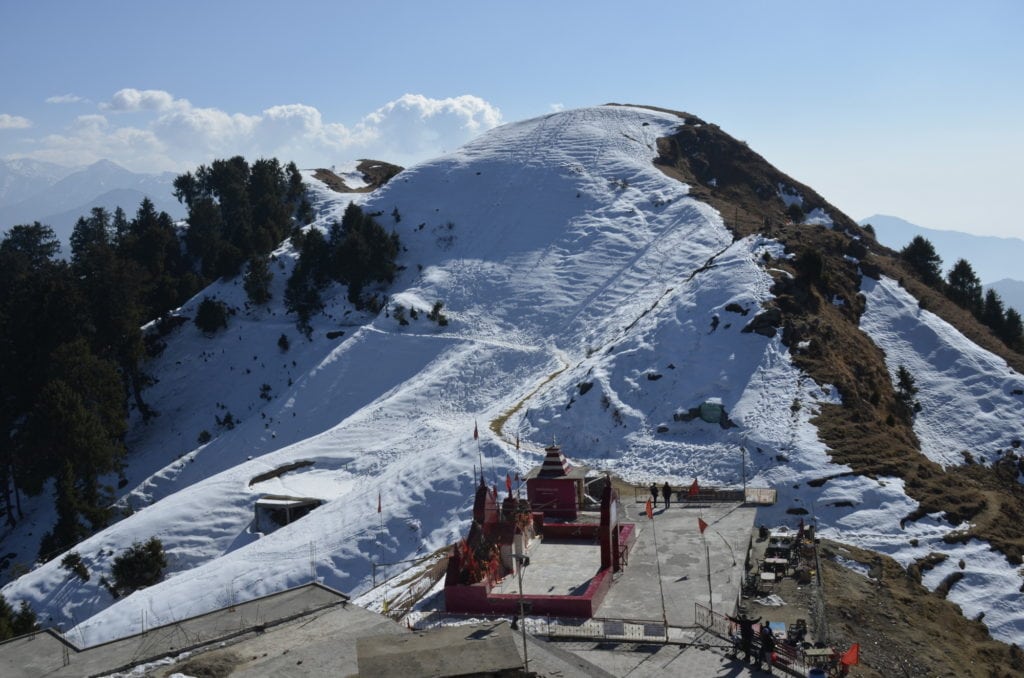
The lightest of new year snow at Dainkund
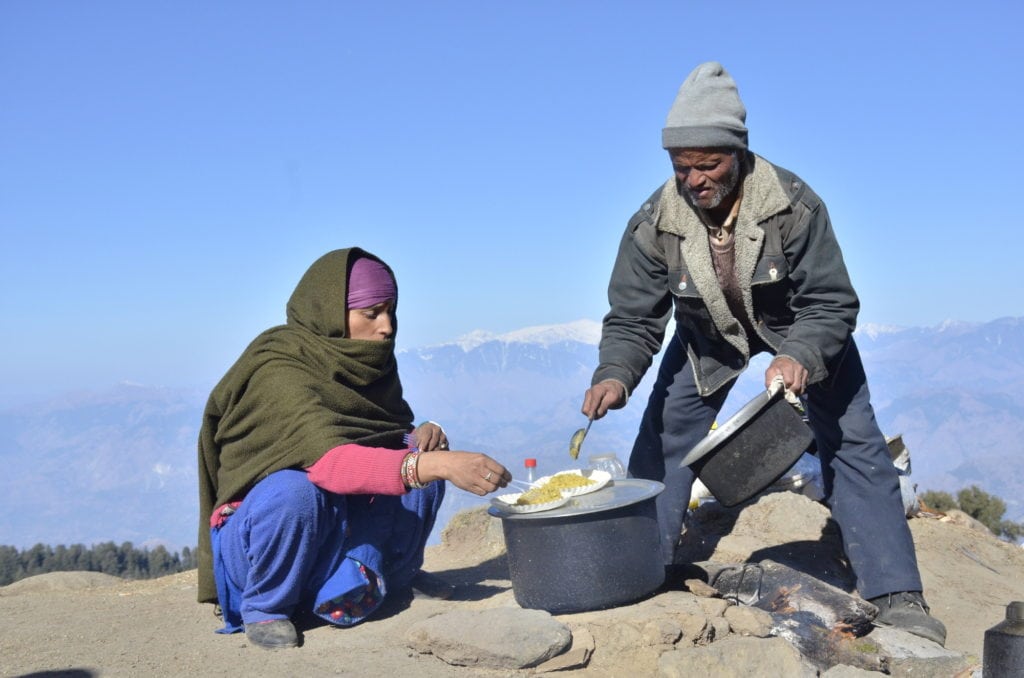
Maggi is made for mountains