
- All (76)
- Footsteps of Rama (3)
- Himachal (16)
- Quiz (0)
- Temples (16)
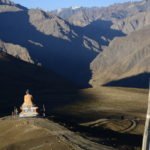
The perspective of Buddha, Langza
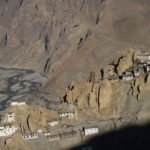
Coming out of Mud, Dhankar
Sun Temple of Sutlej Valley, Nirath
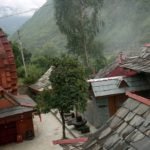
One of her kind, Bhimkali at Sarahan
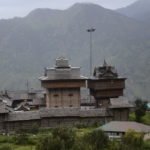
One of her kind, Bhimkali at Sarahan
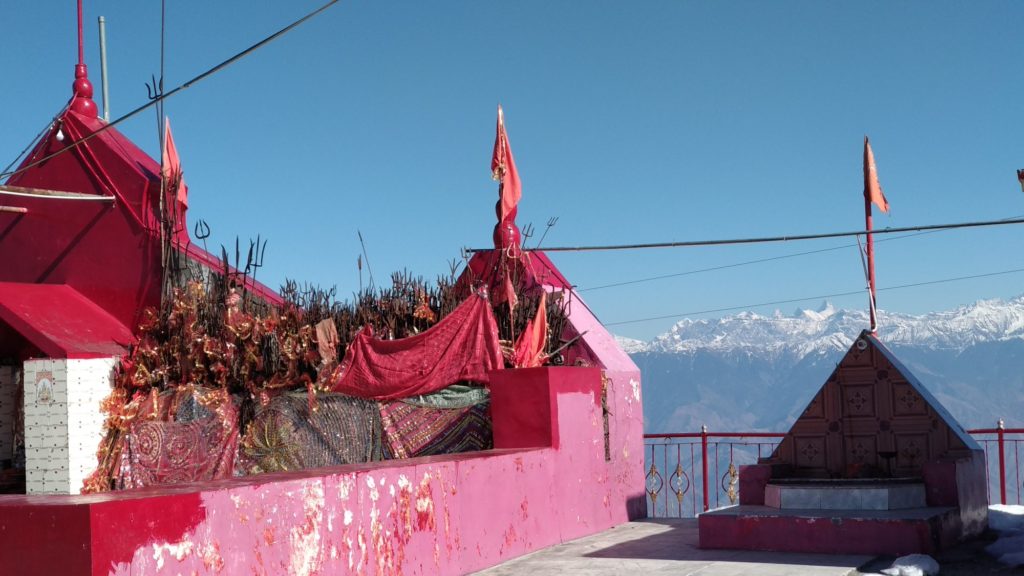
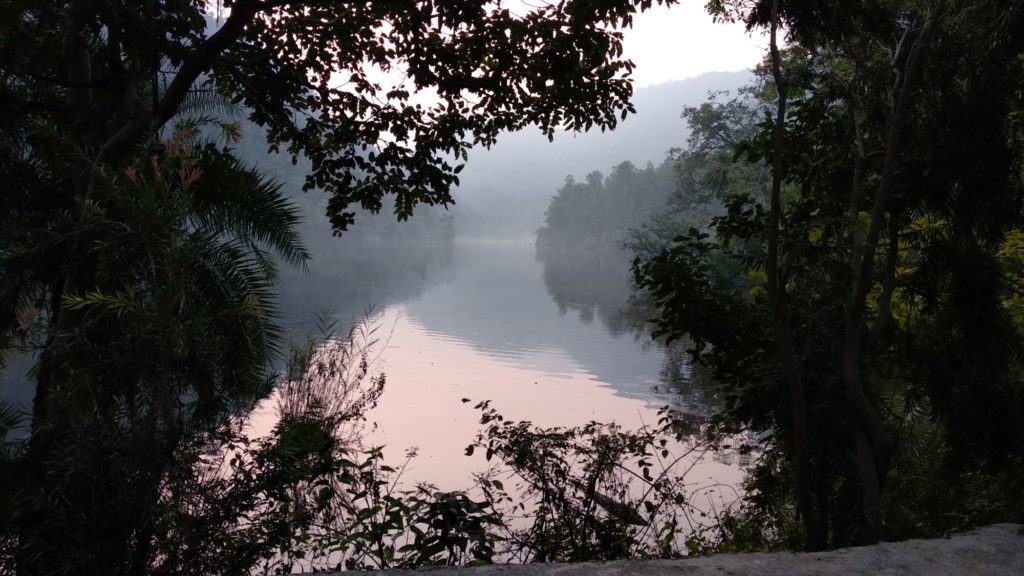
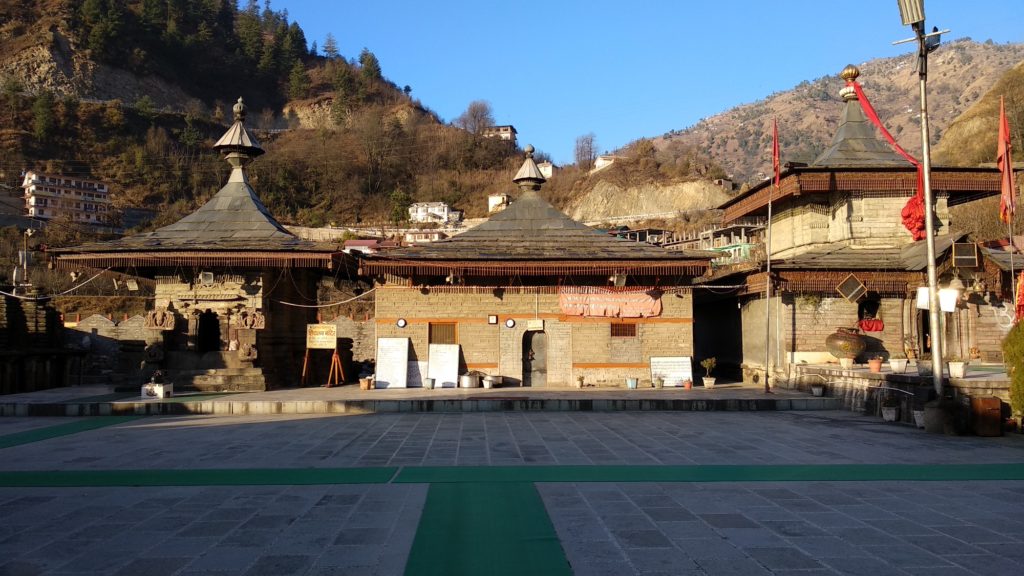
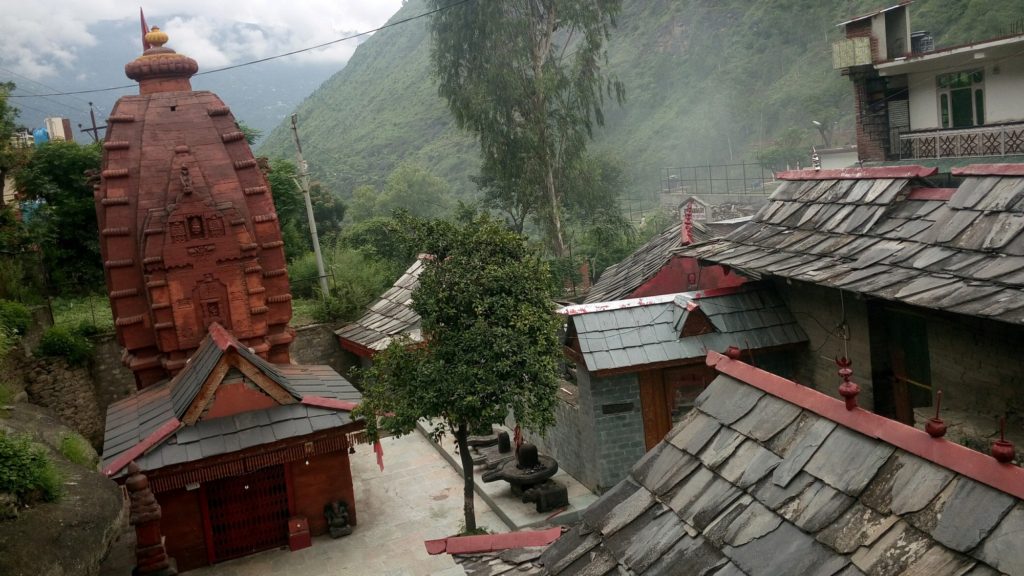
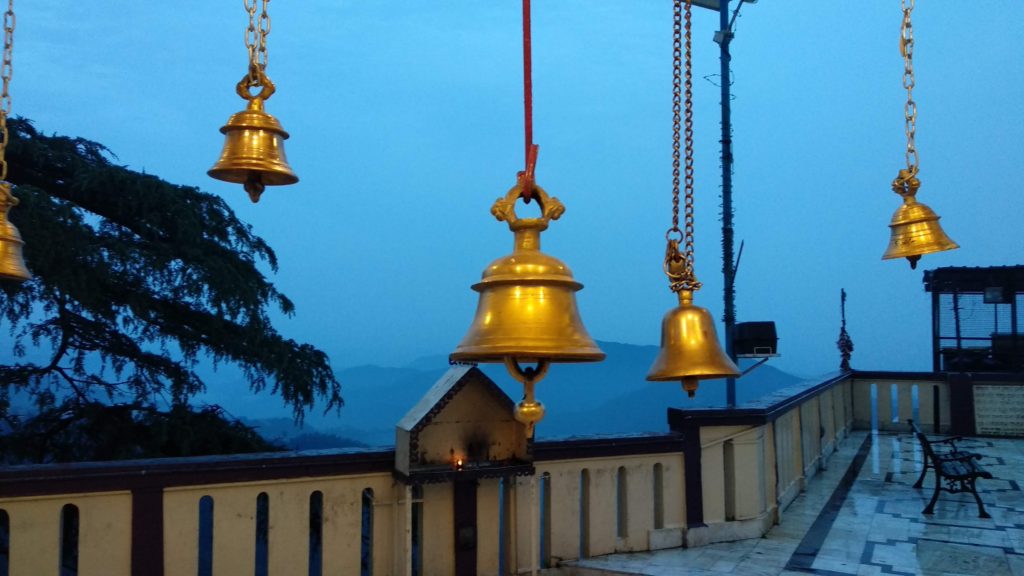
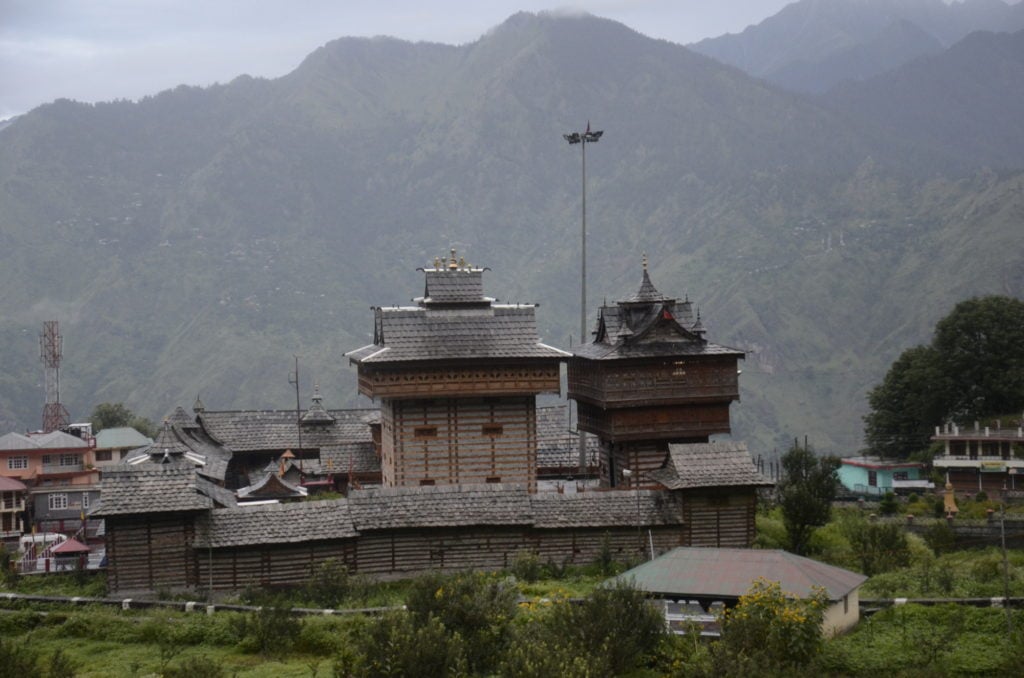
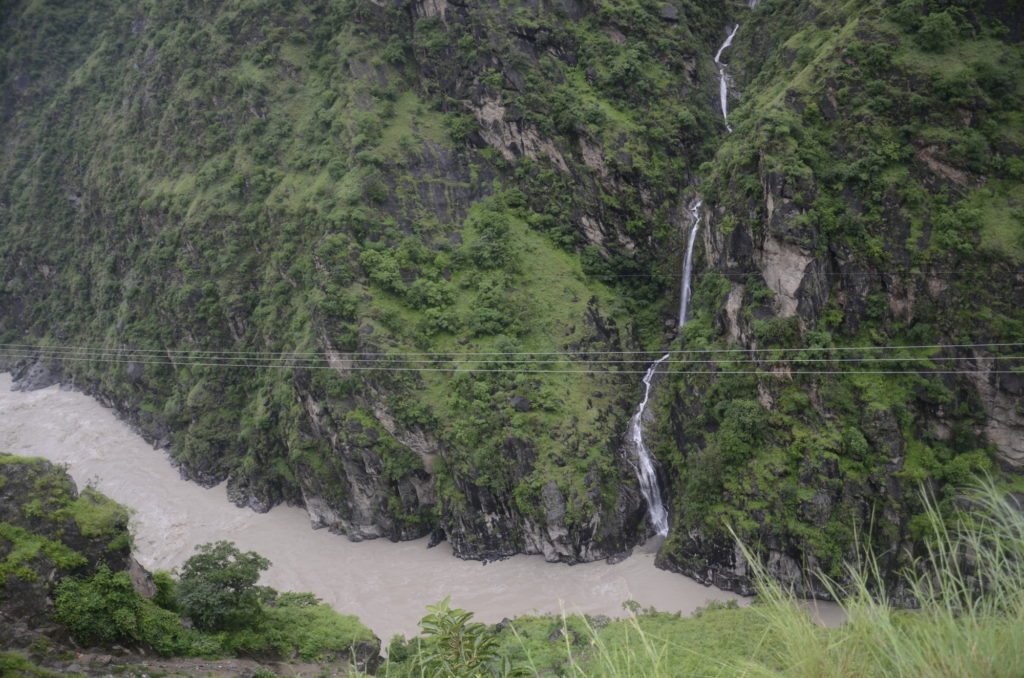
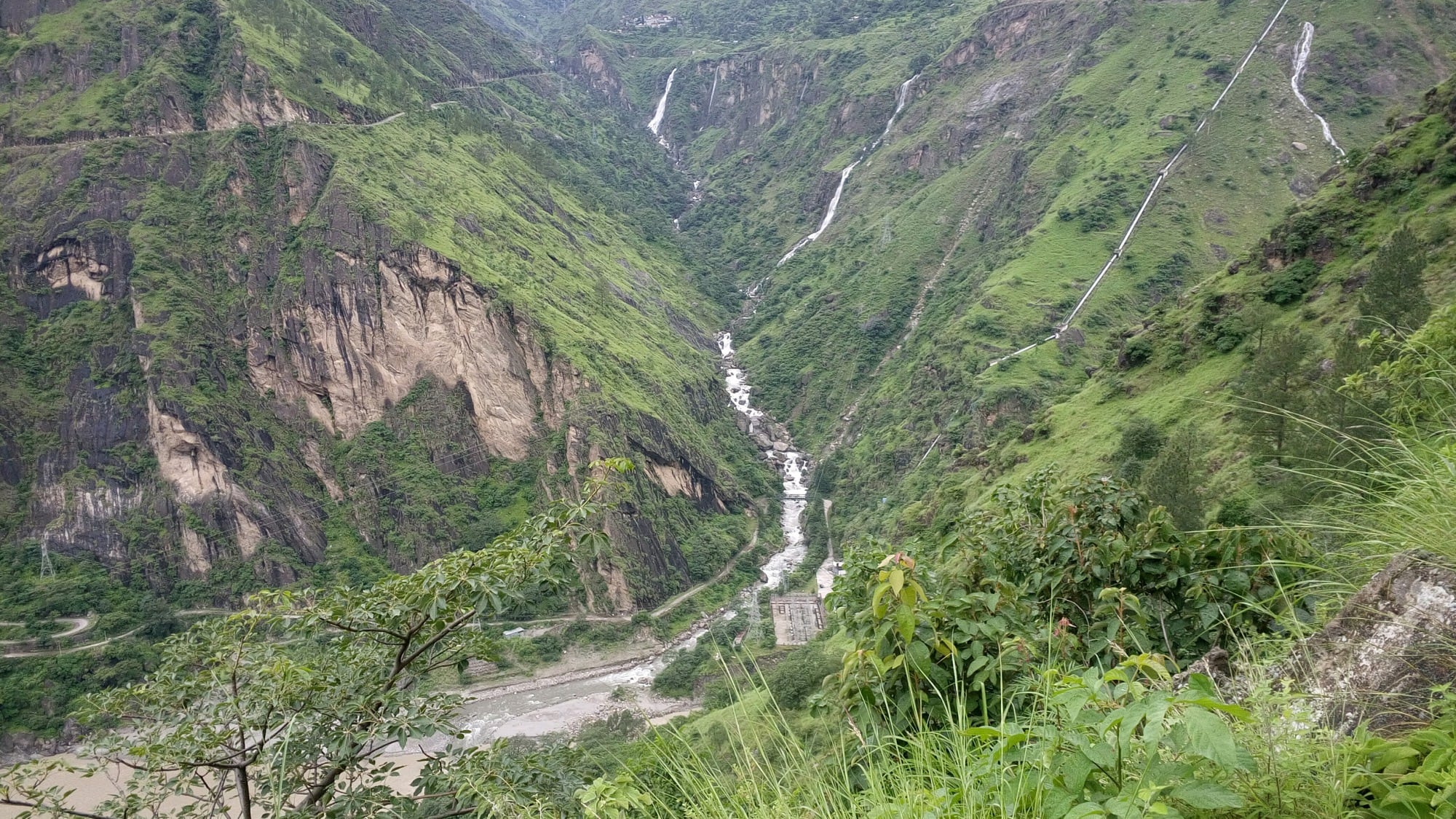
Most temples in Himachal are small. That is the burden of the terrain. There are a few exceptions. Sarahan is one. It is on the Sutlej valley, just before the famous Kinnaur district. Once the road from Shimla drops down to the Sutlej valley, the drive is magical. It hugs the river for the entire stretch until it reaches a place called Jeori. A branch road climbs up to Sarahan. A paramilitary camp is on the way to Sarahan. I was about to cross the camp on a bike, and was waved down. I was a bit tentative, it was a hired bike and I didn’t know what to expect. Then the soldier offered me tea. The camp serves tea to everyone who passes by. He was chatty, but giving zero details of what was the camp about; and there are strict warnings of no photographs. High up on the hills, about 800 meters above the river valley is Sarahan. It has the Bhimkali temple, one of the Shakti Peeths in India. It also has a fearsome reputation of human sacrifice until 17th century, but these stories can be mere legends. It is a really large temple in the mountains. A beautiful mix of stone, wood and slate, it both stands out and blends into the landscape. A lovely perimeter, small shrines and two tall towers. The deities are at different levels. There is also a small guest house within the temple that is open to public. Sarahan is also a beautiful hill country. There are endless small roads around Sarahan, leading to no place in particular. There is also a pointless manmade park amidst all the natural beauty, made maybe because there was a budget for doing something. I went to Sarahan in August, when the whole region is covered by clouds and mist. Anywhere around Sarahan is a great visual treat. Visibility beyond a hundred feet was just a pale haze. Every now and then the mist would clear a bit and I could a bit more of the hills. Towards evening, it settled rapidly; and the Sutlej river lifted itself into view appearing out of the mist. It was also apple harvest season. Anywhere you walk, you can stretch your hand and pick an apple. If you are lazy, you can also help yourself from crates of plucked apples left on the road; trucks would come at their own schedule to pick them up. For some reason, I had carried Rain, the first book written by my friend Sriram. I finished the book while I was in Sarahan. The monsoon, the solo trip, and the general forlorn character of Sarahan was a beautiful complement to the theme of the book. If you have two days around Shimla, visit Sarahan; and if you can spare three hours for great prose, read Rain by Sriram; preferably together.Bhimkali temple at Sarahan
Sutlej valley
Sutlej valley around Sarahan
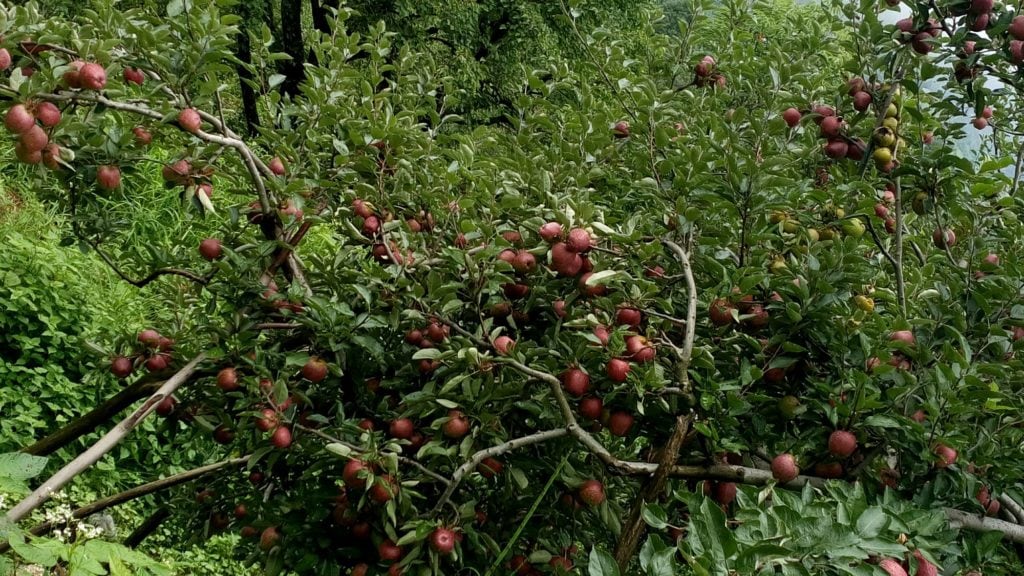
Sarahan is apple country, just short of Kinnaur
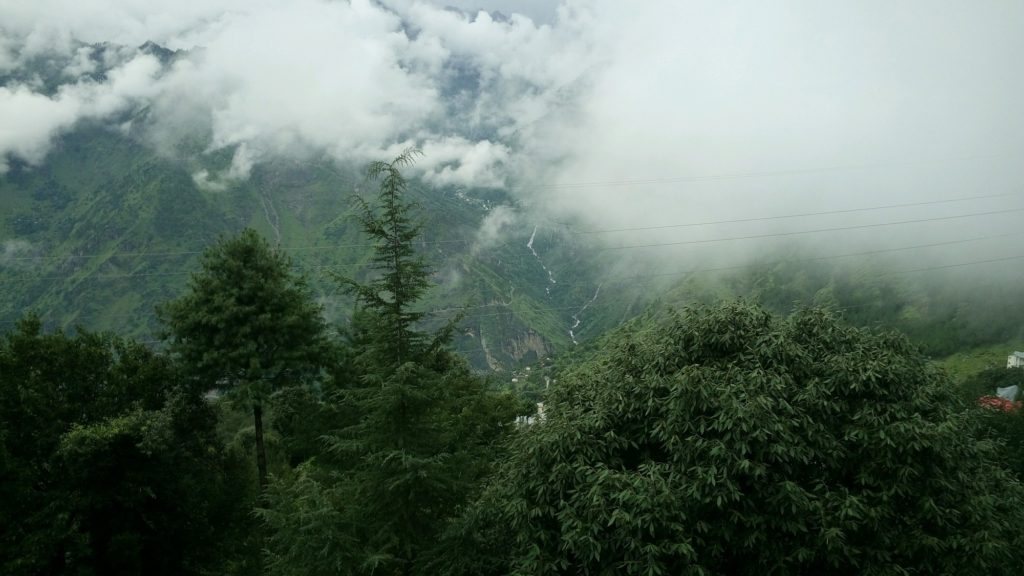
Monsoon in Mountains of Sarahan
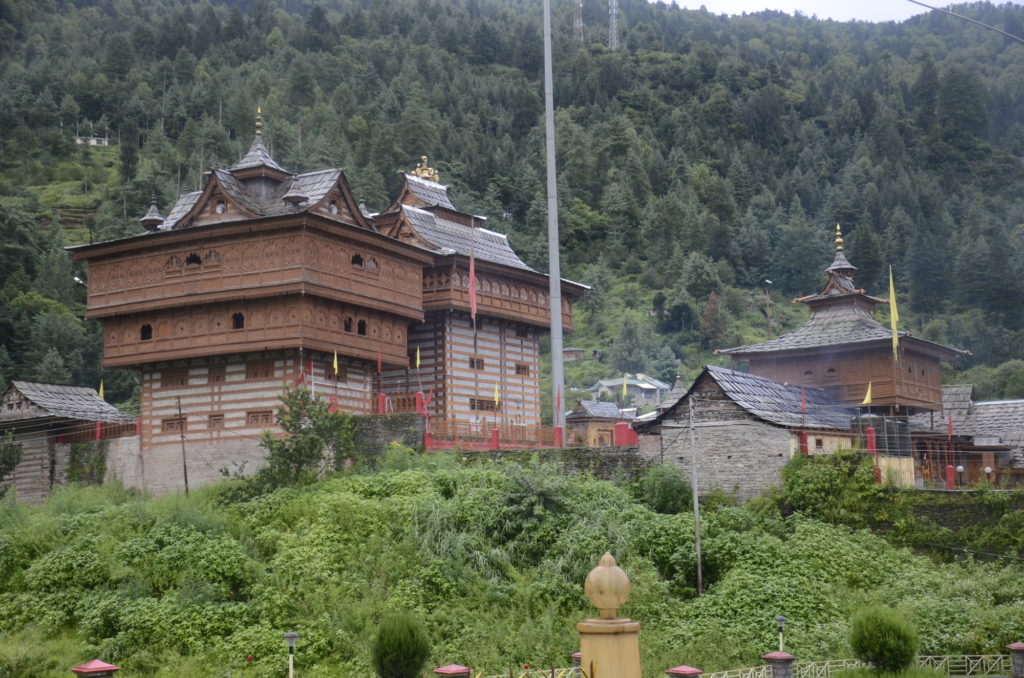
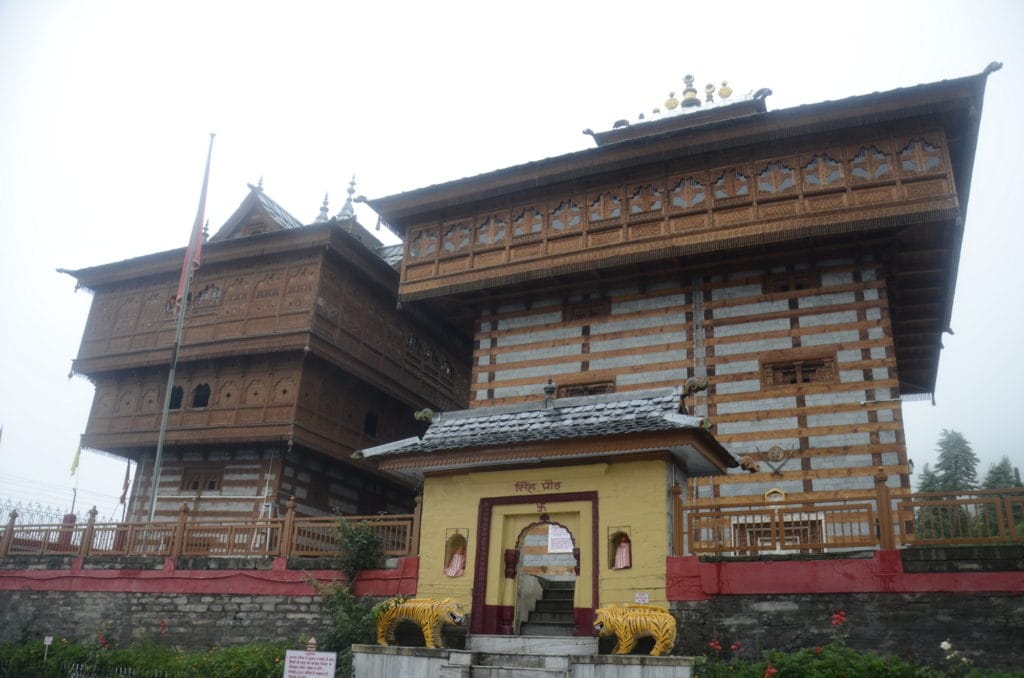
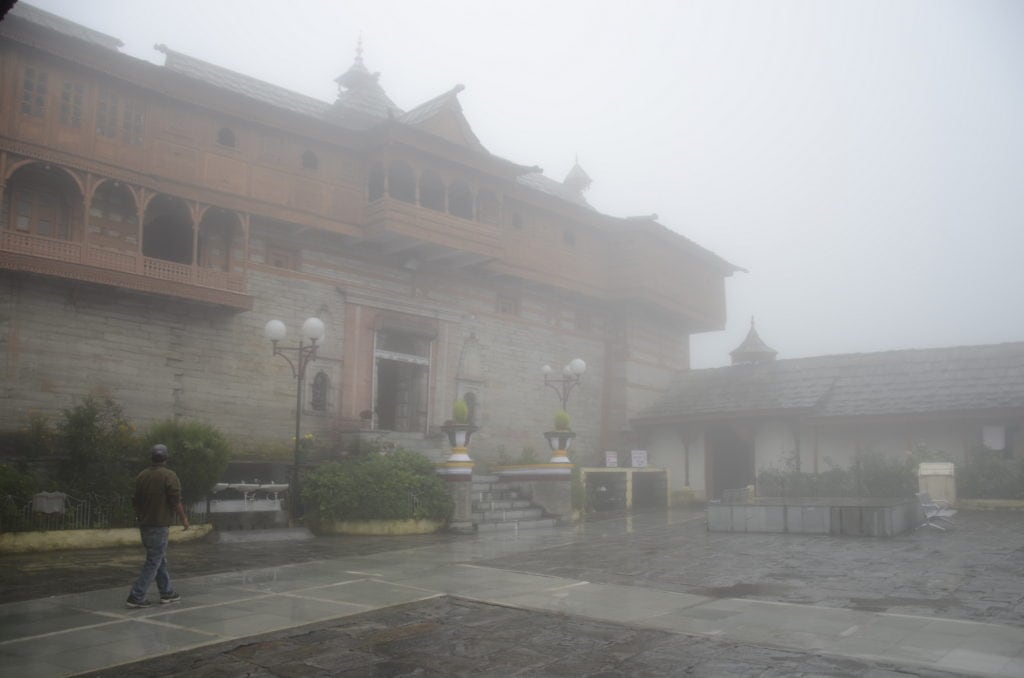
The August mist at Sarahan
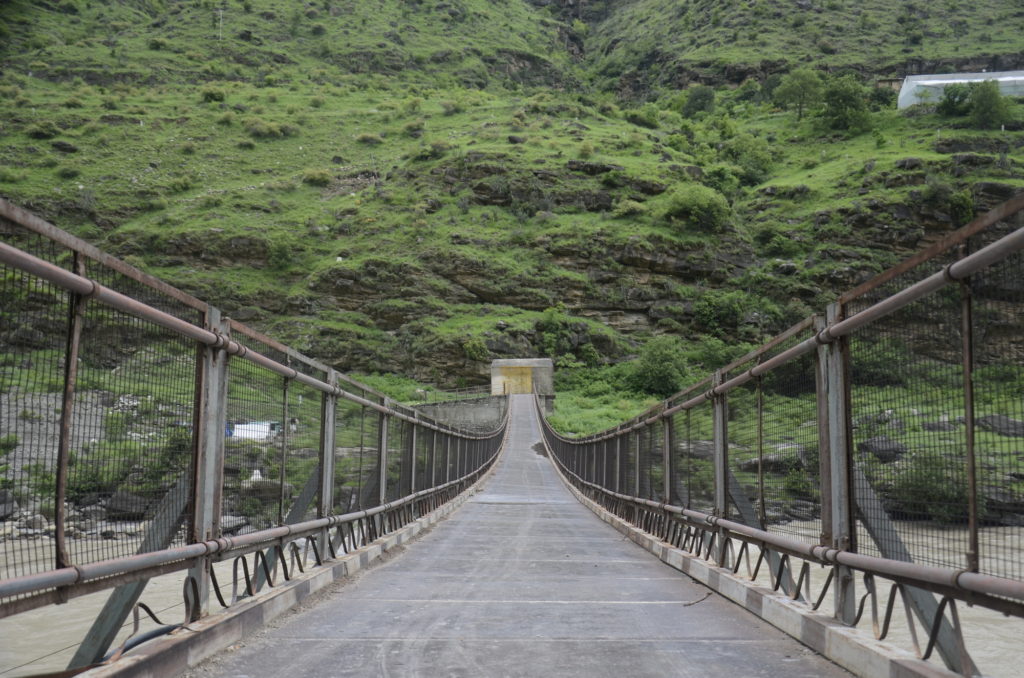
Infiniti suspension bridge across Sutlej
Land’s end at Bharmour
Chaurasi temple of Bharmour. Temples of Himachal ….9.
Bharmour is as far as you will go. It is surrounded by 16000 feet high mountains on three sides, the hill equivalent of a peninsula. It is at the dead end of a sliver of a valley. Squeezed between the Dauladhar range and the Pir Panjal range, you can enter the valley by road, but can’t exit anywhere further and have to retrace.
Bharmour contributes to the Ravi river, though it is not the source. Ravi is one of the most secretive rivers of India, hardly flowing through any large city before it snakes along and forms a length of the Indo-Pak border.
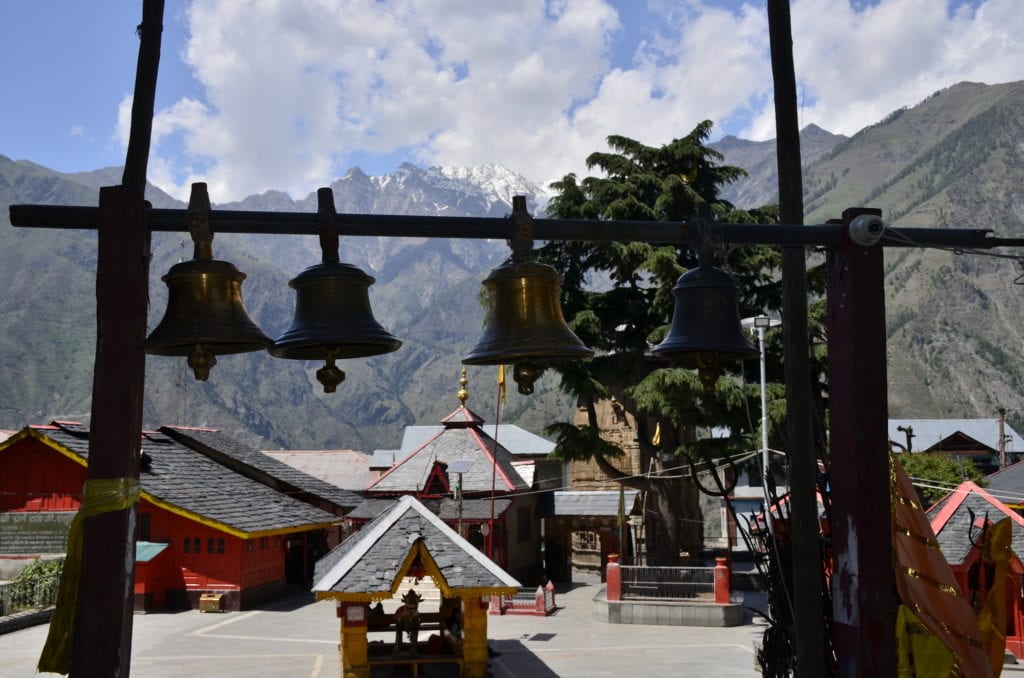
The temple square at Bharmour
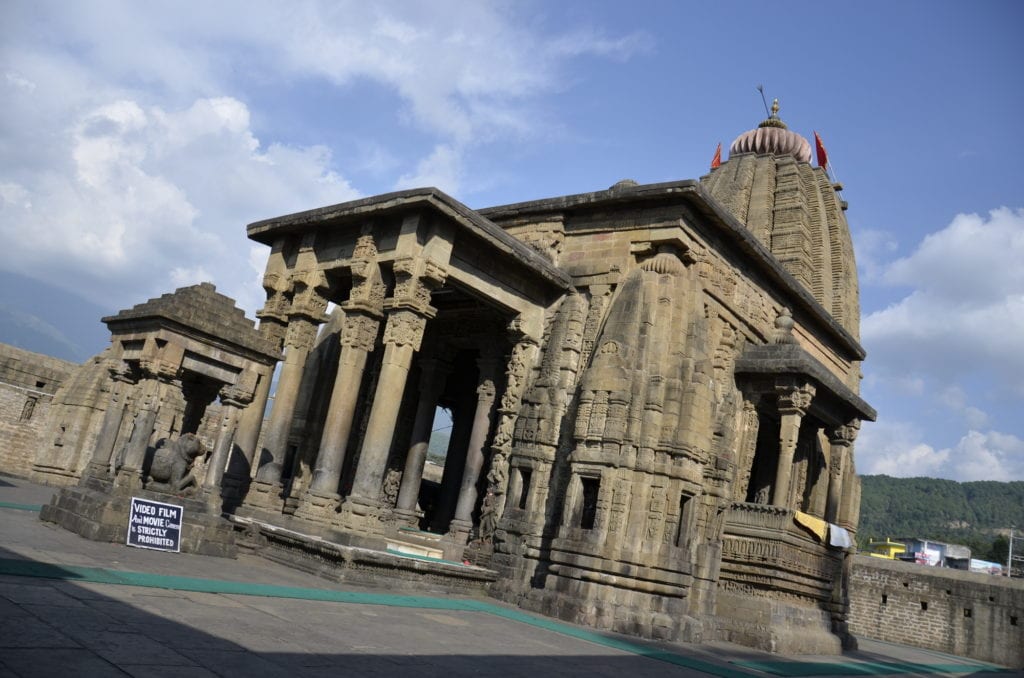
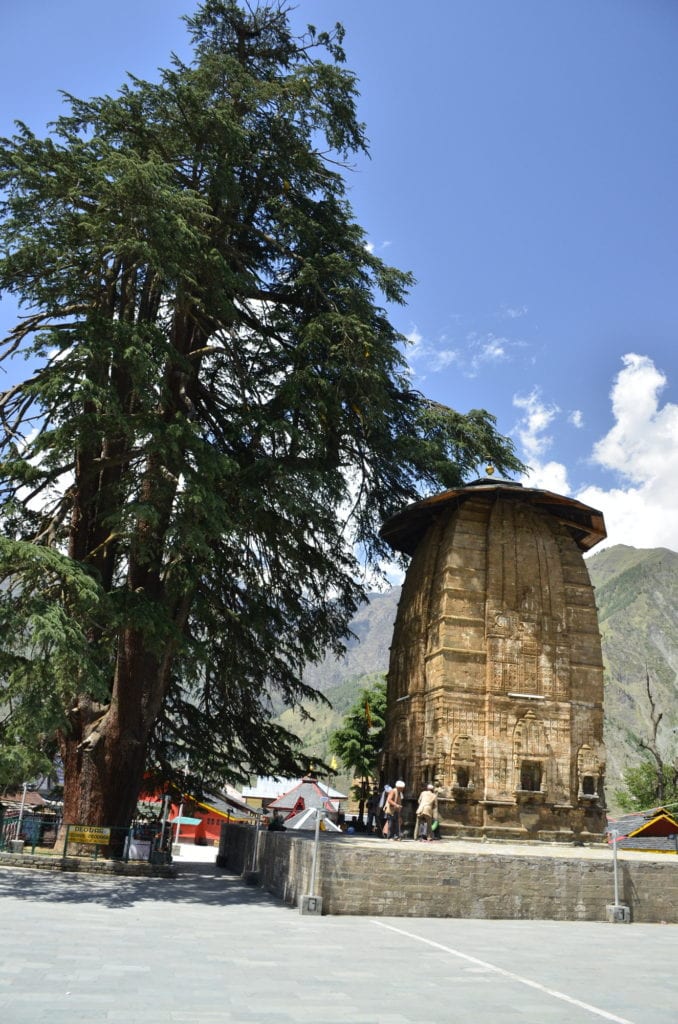
The Chaurasi temple at Bharmour is an experience. It is, as far as I can recollect, one of the largest temple complexes of Himachal. It is at a remarkable setting, overlooking hills on all sides. It is open and is not a walled temple and a collection of temples, 84, though many of them are tiny and share a common space.
The central temple is breathtaking. Alongside the temple stands a Deodhar tree, almost double its height. The most delightful part of the complex is the schools in the square. There are several and you can hear the sweet cacophony all around; and then suddenly it was lunch break. Kids poured out of the various schools, jumping into the temple. A cricket match, and a bunch of girls just giggling away. Far away from almost anywhere, there is unspoilt innocence.
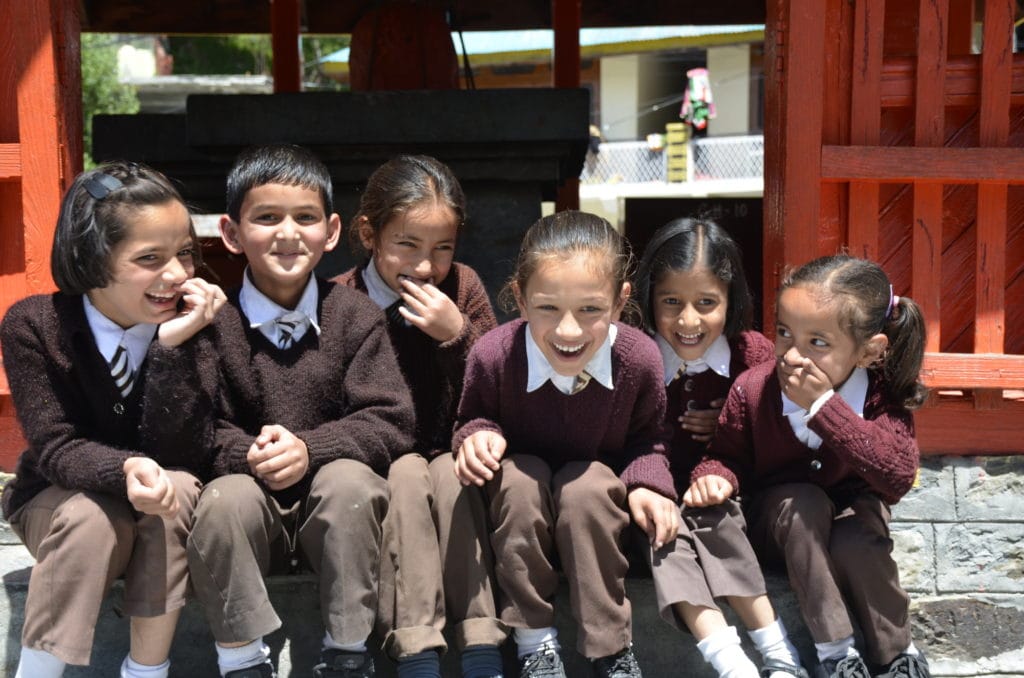
Joy of a lunchbreak
Then the farm produce, the Bharmour Rajma, the walnuts, and chukh, the famous red chilly pickle.
Bharmour and the rest of the Chamba district will overawe you, totally bereft of the commercialisation you will see in Manali and Shimla. It is an effort to reach there, but next time you plan Amritsar, take the effort to go up to Chamba, and then Bharmour.
Land’s end. Chaurasi temple, Bharmour, deep inside Chamba district, deep inside Himachal Pradesh.
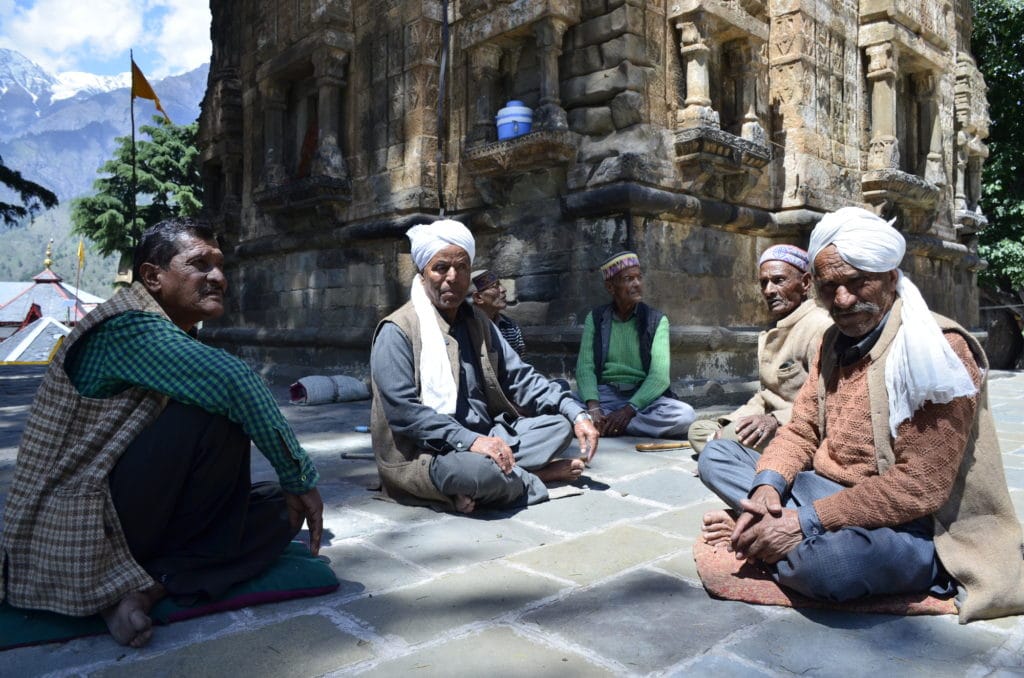
Bharmour Adda
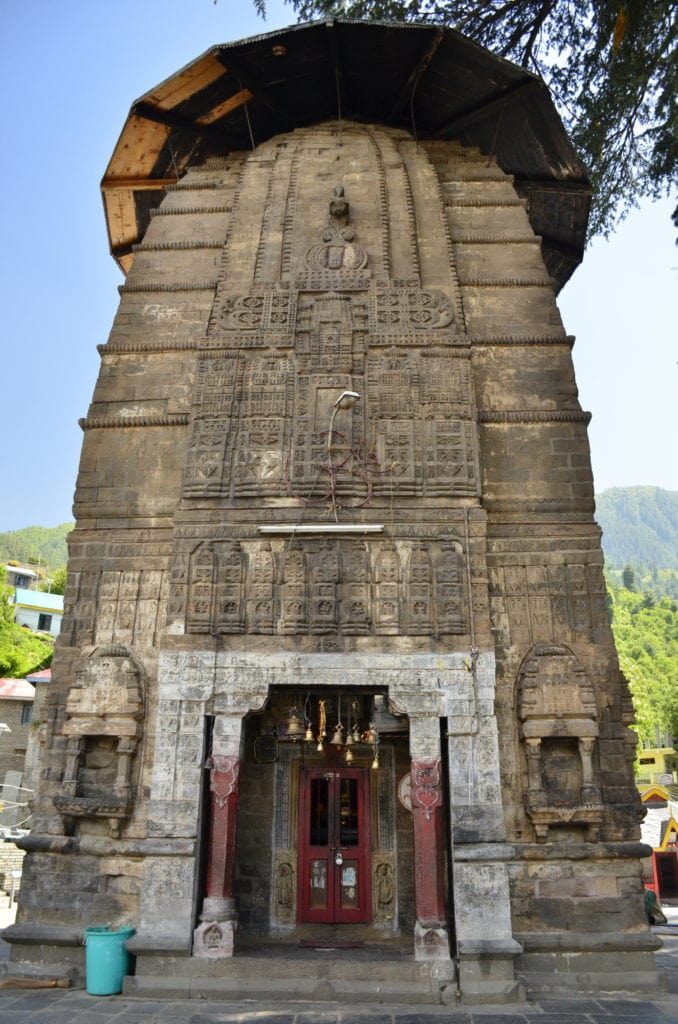
The green basket distracts, but also keeps the place clean
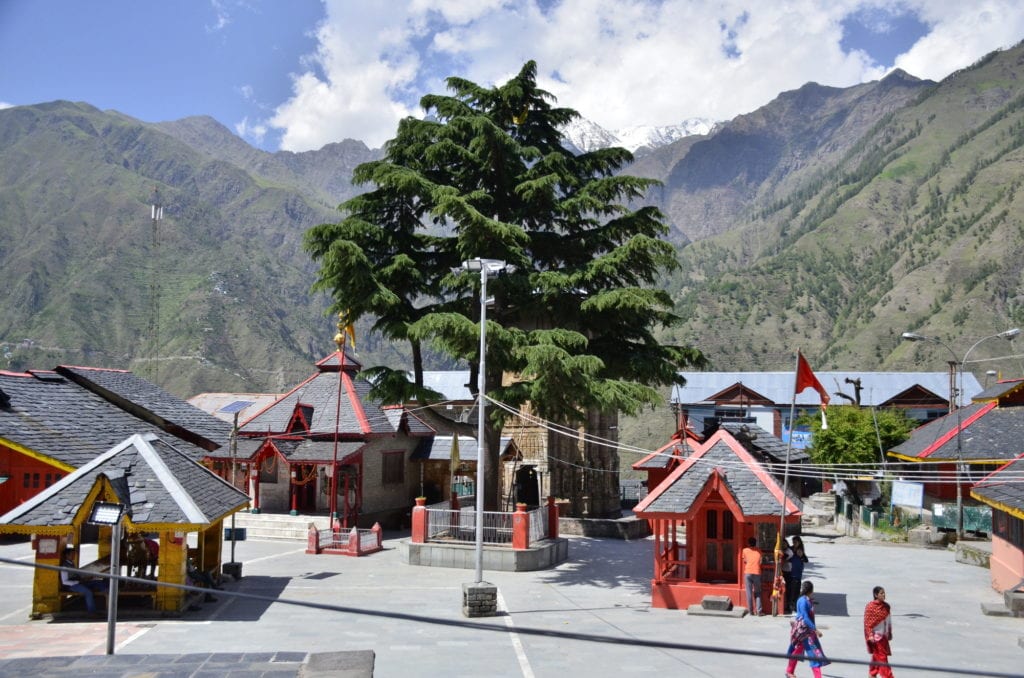
Schools overlook this open temple square
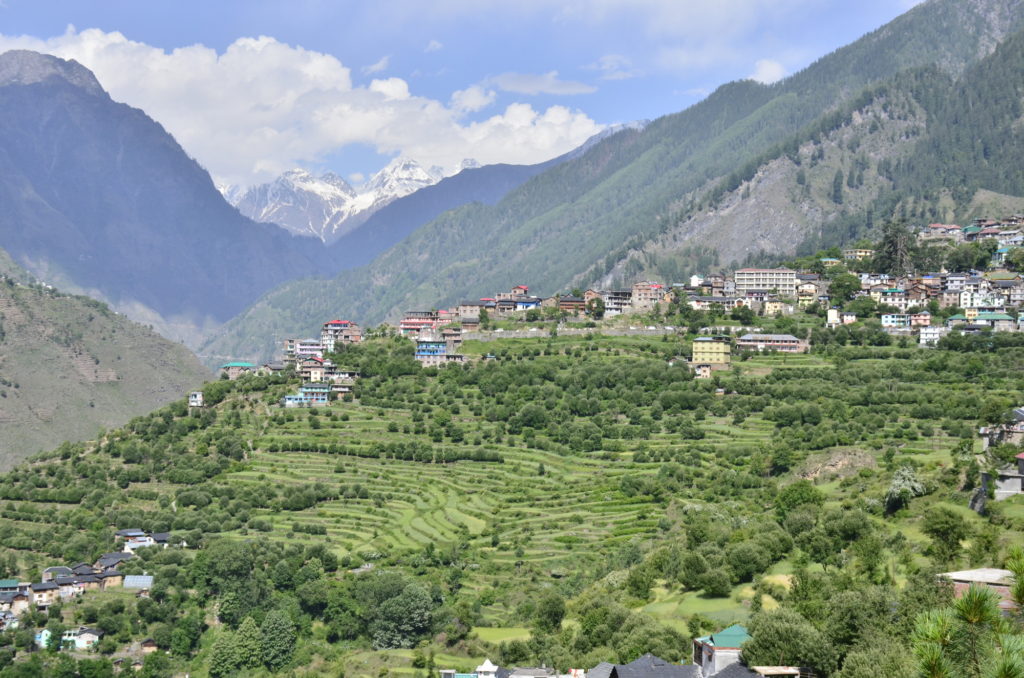
Bharmour itself
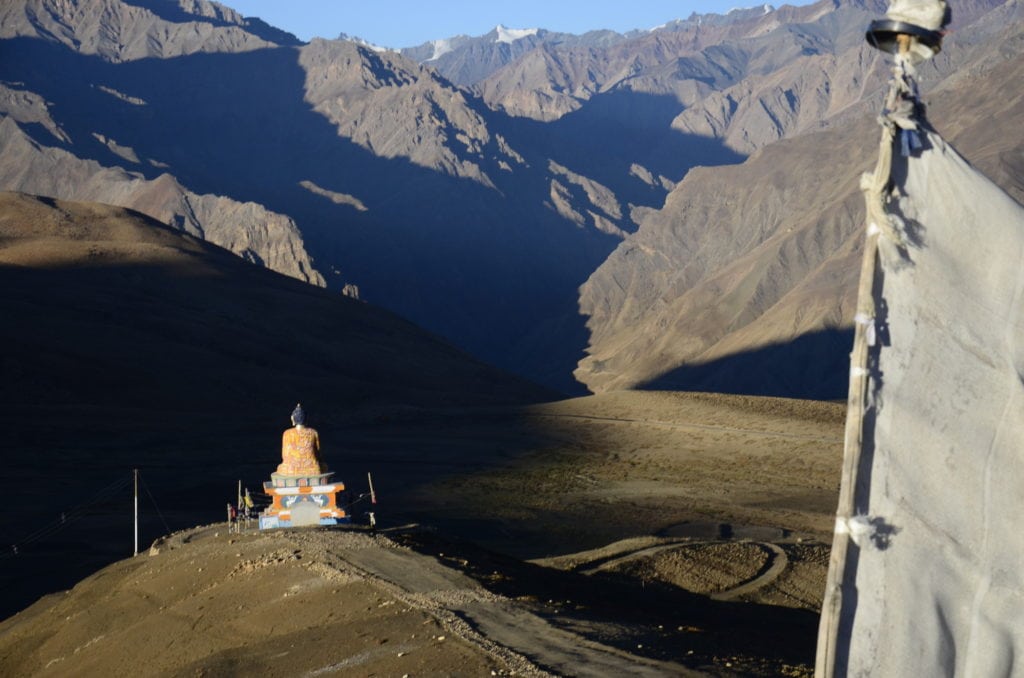
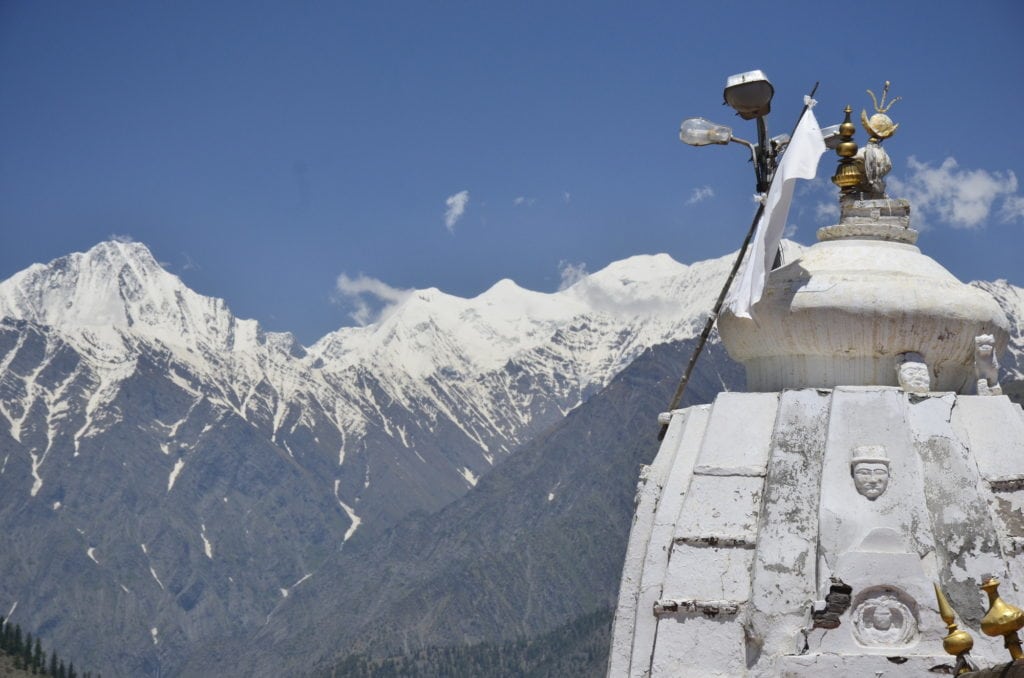
The perspective of Buddha, Langza
Langza. Temples of Himachal ….12
The river Spiti is the spine of the region and Kaza, the largest town. It is about 3800 meters altitude. The river valley is somewhat narrow and hardly has any vegetation along it. A number of villages rise up the valley at different heights. Each has a patch of land, some large, some small, that surprisingly is cultivable.
Langza is one such village. It has less than 150 people. It is at 4250 meters. It is a sharp climb from the valley on barren mountain face. The road snakes through gaps in the mountains and then it suddenly opens up to the vista. You can see tiny specks of the village and houses at a distance.
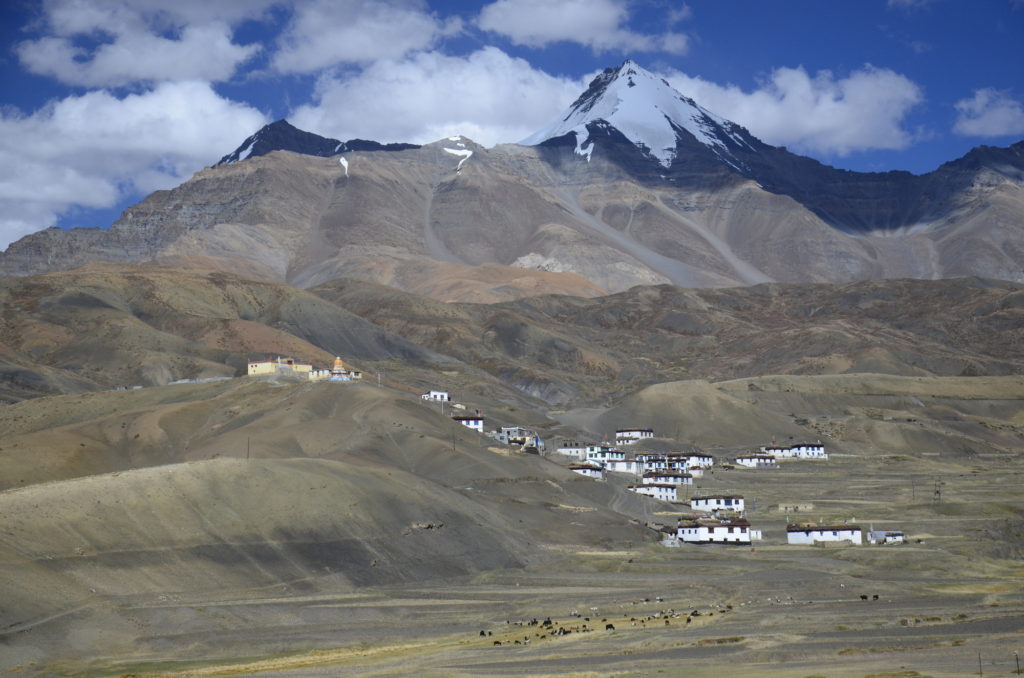
The first glance of Langza
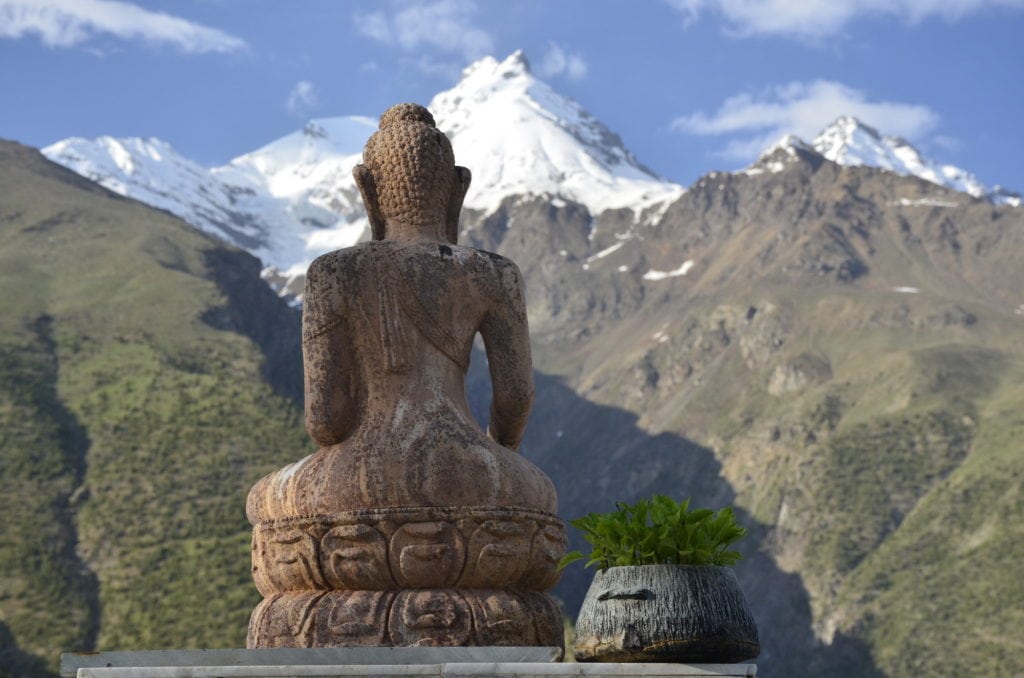
The centrepiece of the village is the Buddha statue, giant, maybe 40 or 50 feet high. He overlooks the vast plains and it is difficult to get a sense of proportion with all that space. Right behind the Buddha is the 21000 feet Chau Chau mountain. With snow all around the year, it looks like a ice cream cone.
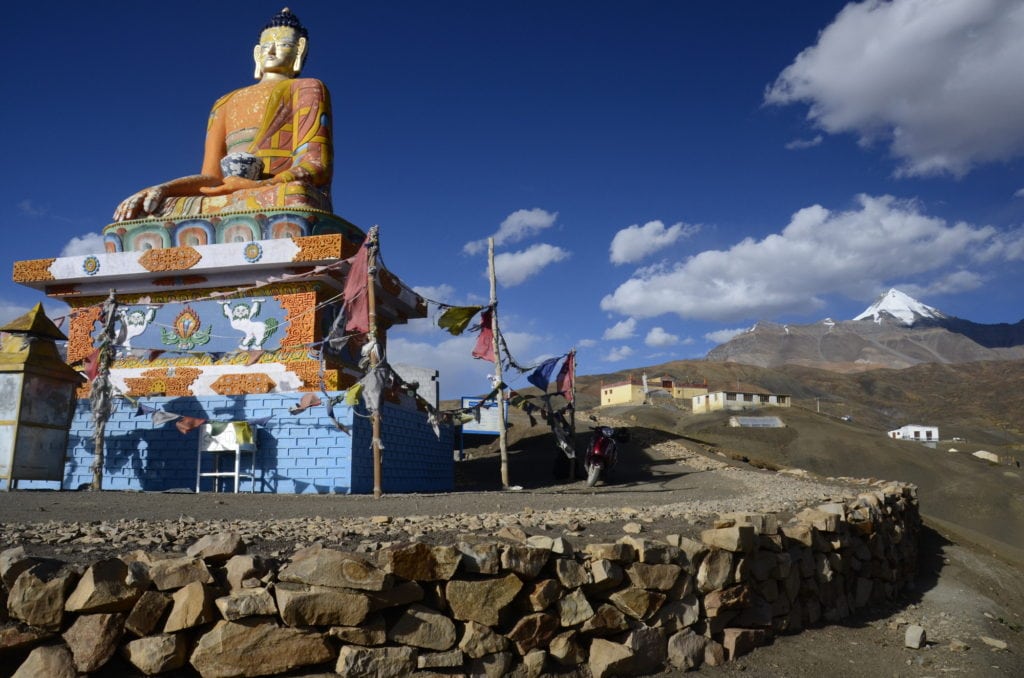
Buddha and Chau Chau mountain
There are a couple of houses that host guests. When I reached early afternoon there was no one around at the place I was planning to stay. A toddler asked me to settle down and said his dad will come in a while. Time kind of doesn’t make sense here and he eventually came, hosted, guided and cooked for me. The womenfolk are totally engrossed in the farm work and don’t waste a minute of sunshine in late summer. Langza is also known for fossils which I didn’t buy from the two women bent on selling to me. I should have. I had plans for Annapurna in the autumn and thought I’d buy them there. I should have bought some in Langza.
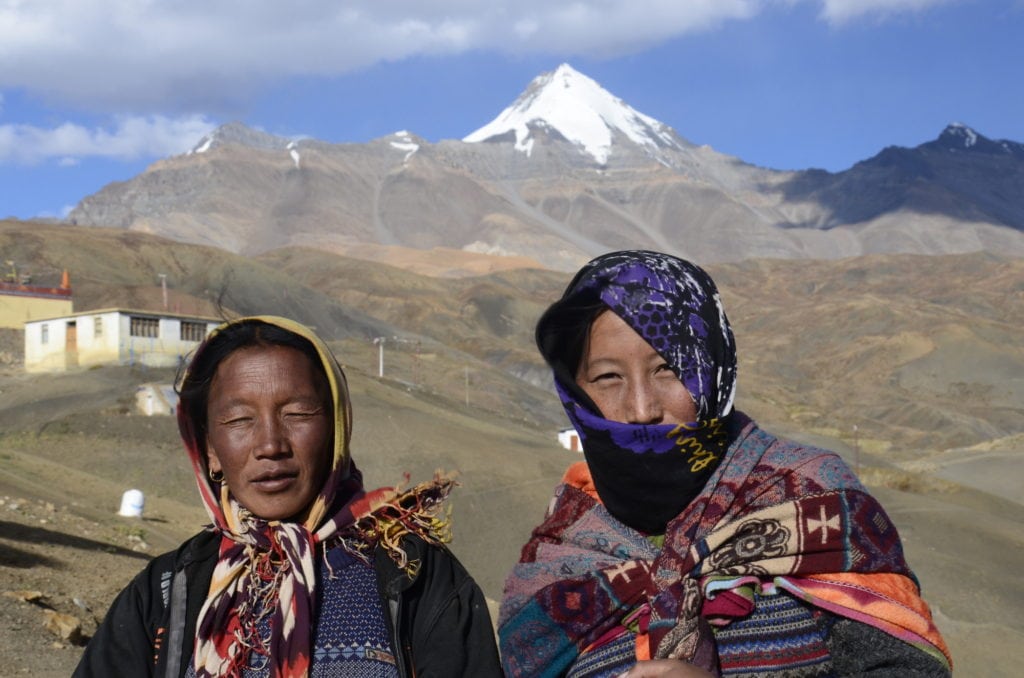
High street retail at Langza, Fossil sellers
Langza also leads up to Hikkim which the world’s highest post office; and further on to Komic which has a road at 4600 meters.
Langza and the Buddha, at 4250 meters, more than take the breath away. It is a different perspective.
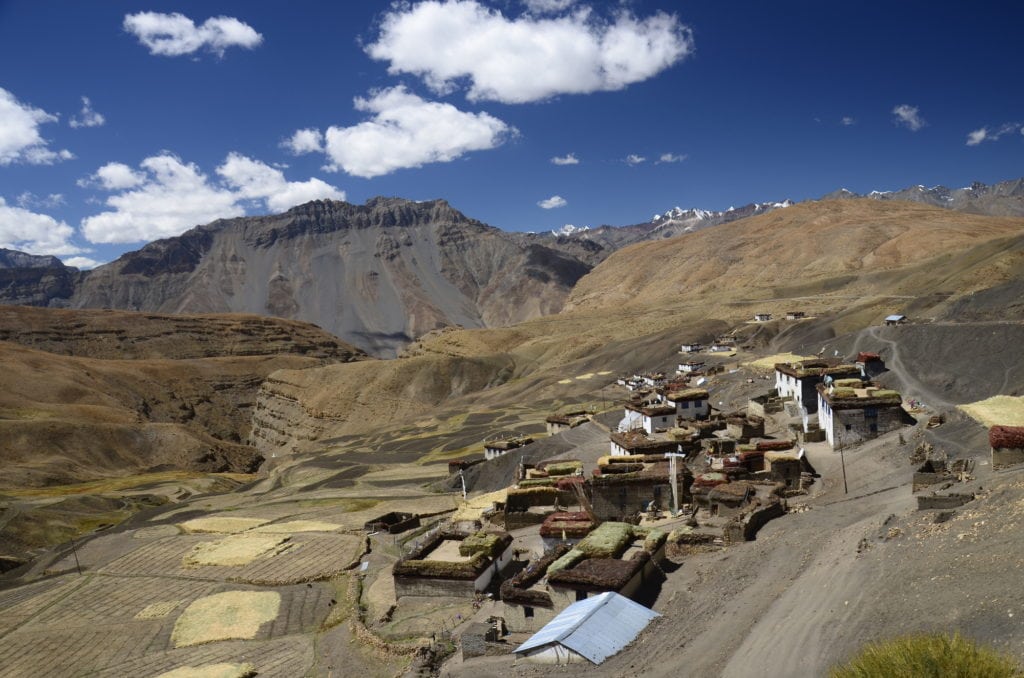
Around Langza 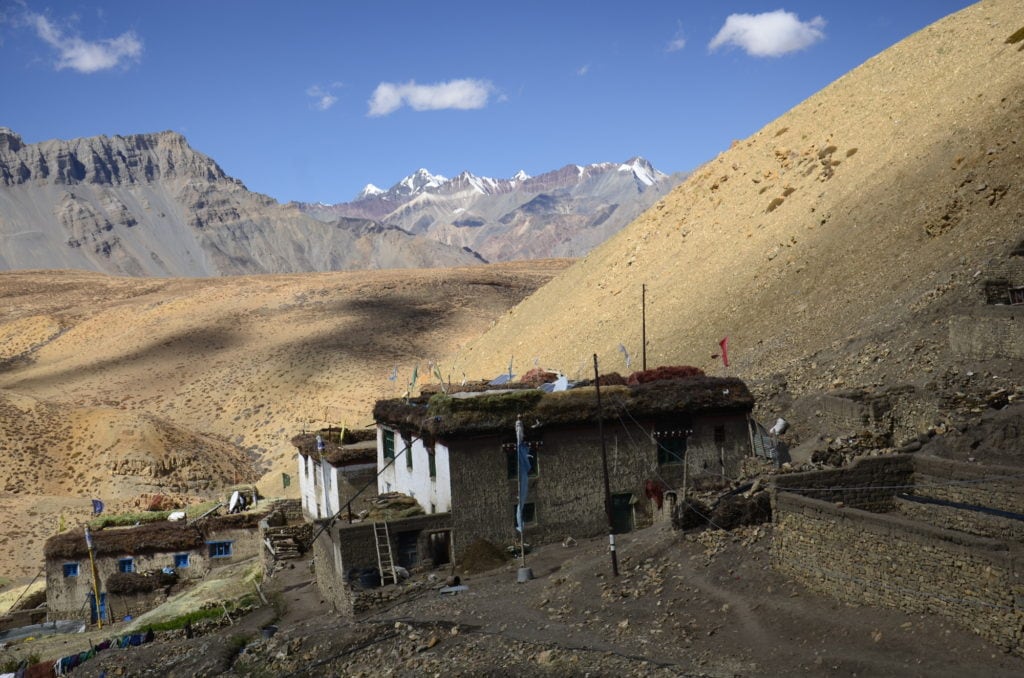
Around Langza 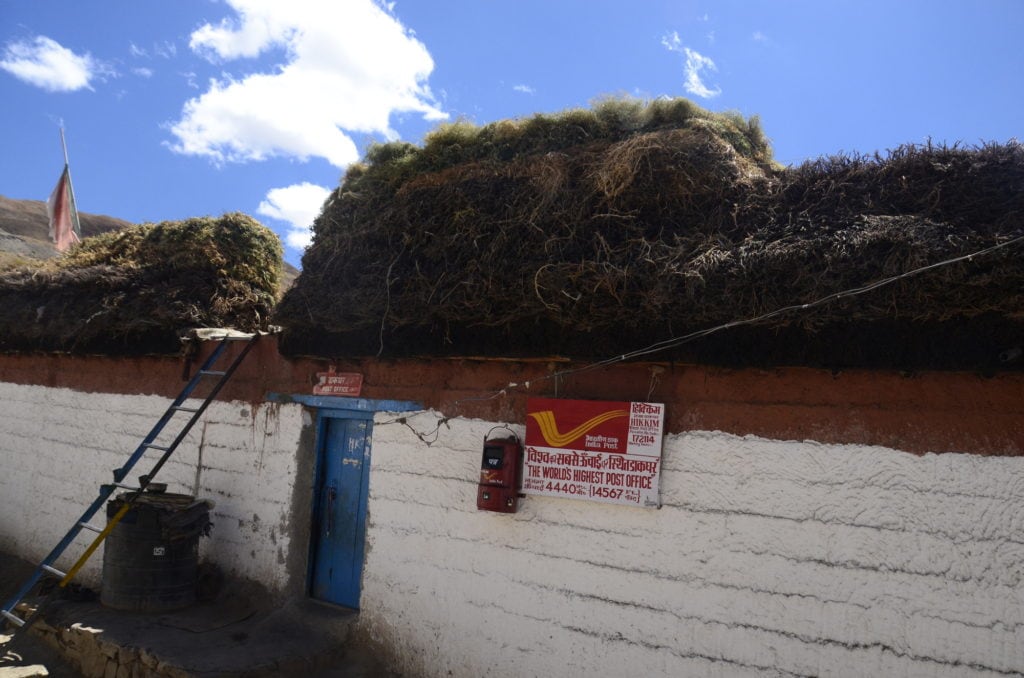
Post office of Hikim
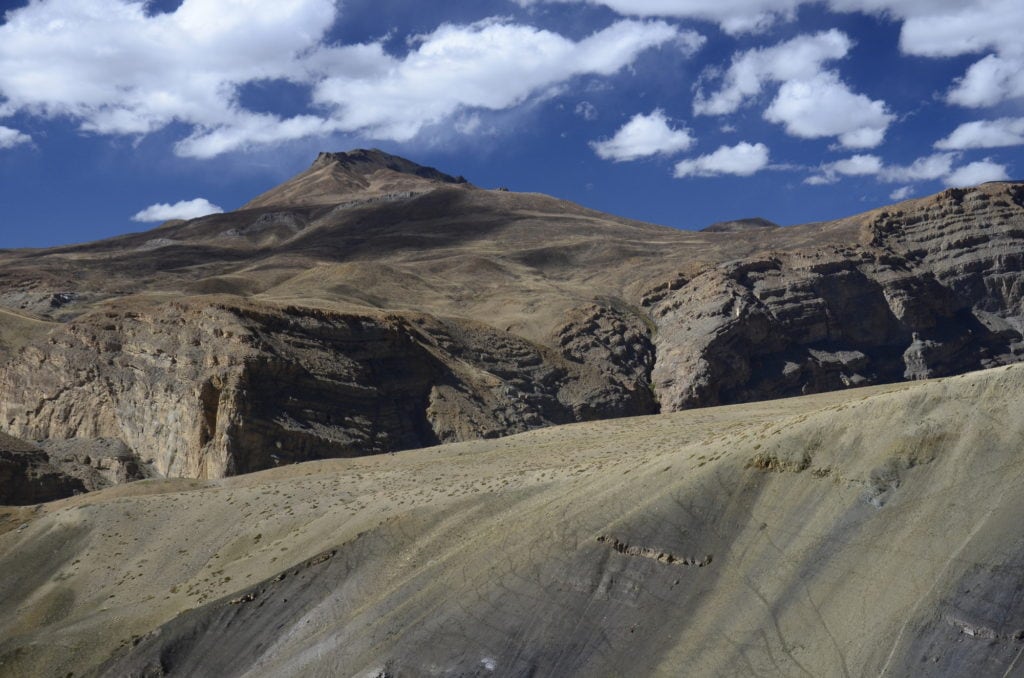
The landscape of Langza