- All (76)
- Footsteps of Rama (3)
- Himachal (16)
- Quiz (0)
- Temples (16)
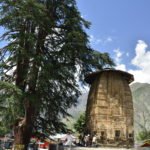
Harmony lived each day, Triloknath
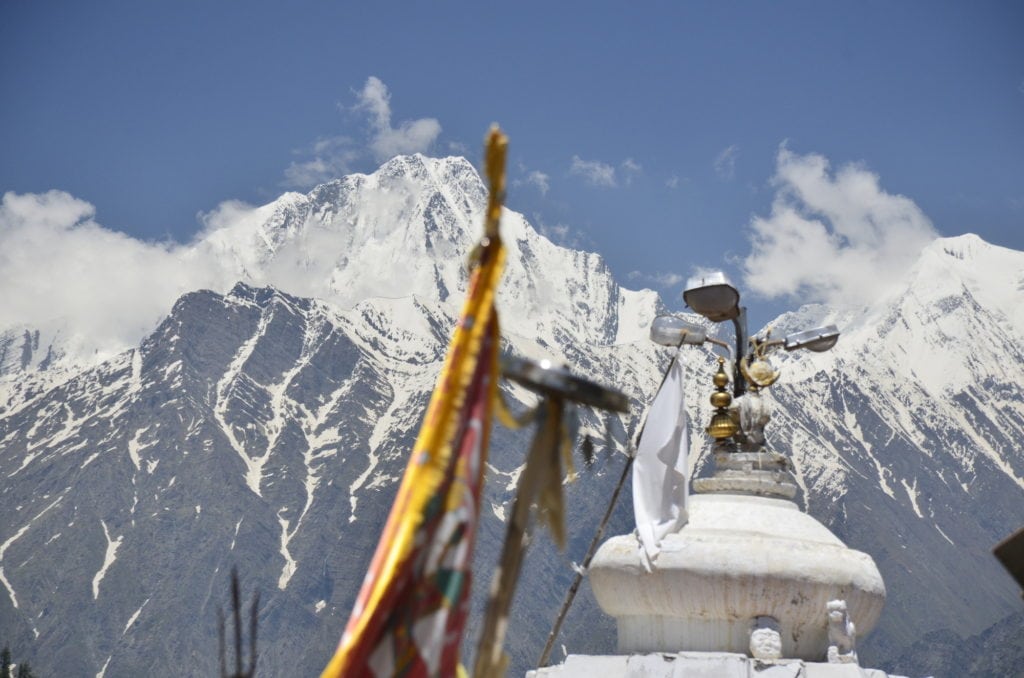
Philosophy at a glance, Kardang
Hanumanji at hilltop, Shimla
Everyday life at Kali Bhari, Shimla
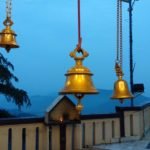
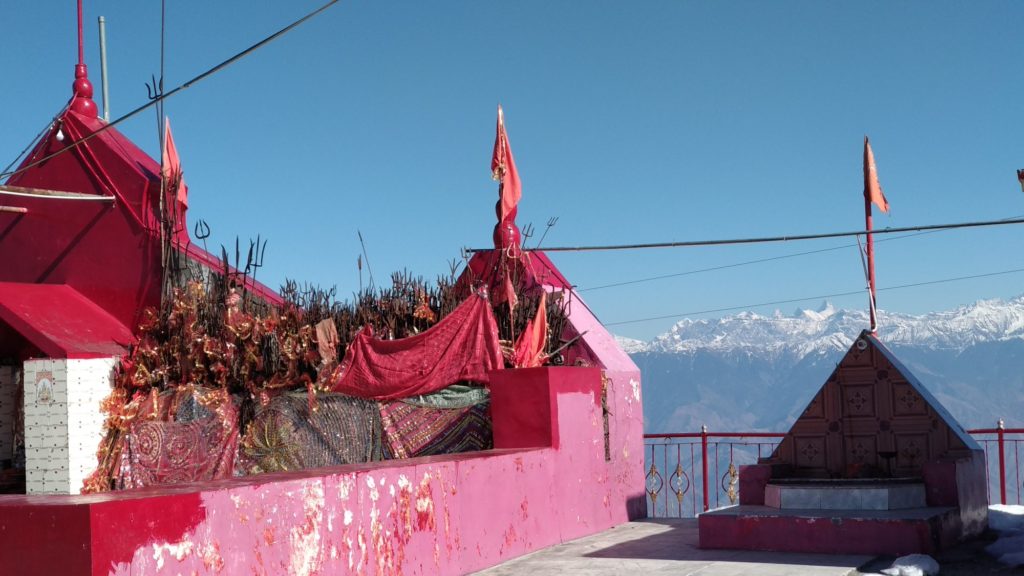
Mataji, Mountains and Maggi, Dainkund
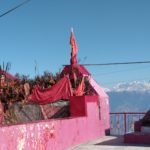
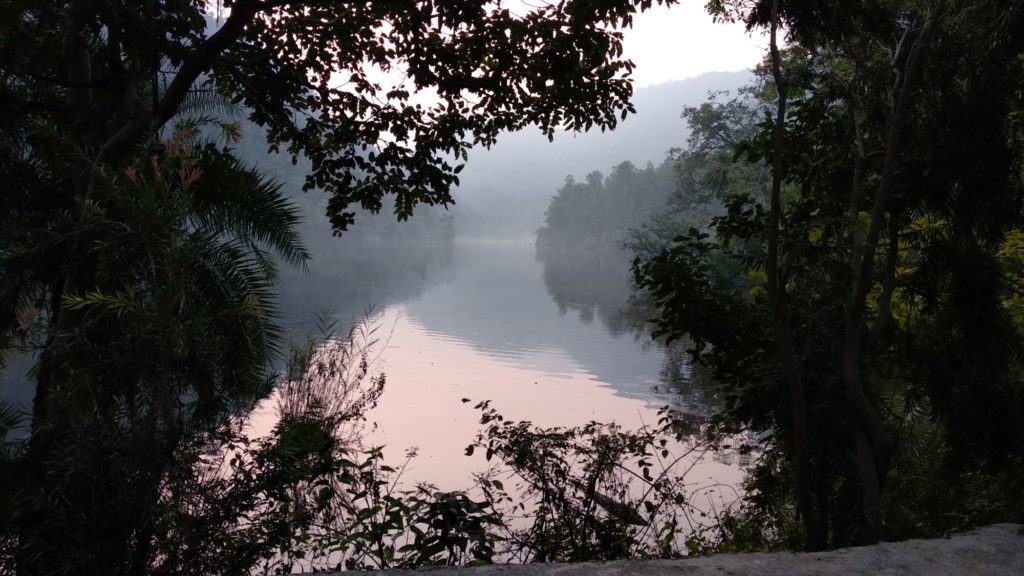
Lake placid at Renukaji
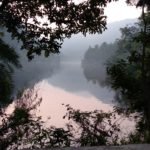
Hatkoti, on its own
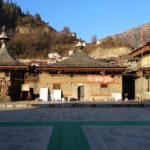
Variety of Manikiran
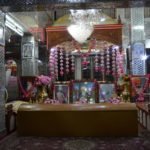
Perfect setting for the soul. Baijnath
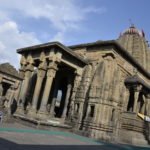
Land’s end at Bharmour
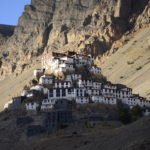
The pleasure of doing nothing at Ki
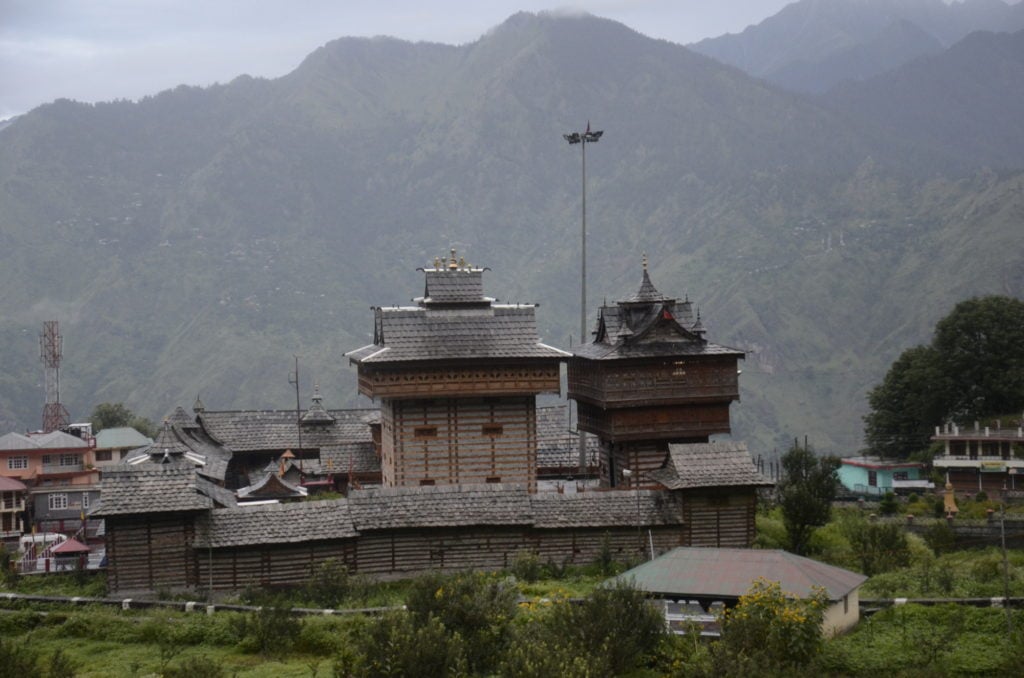
When the whole town is a temple, Kullu Dussehrah
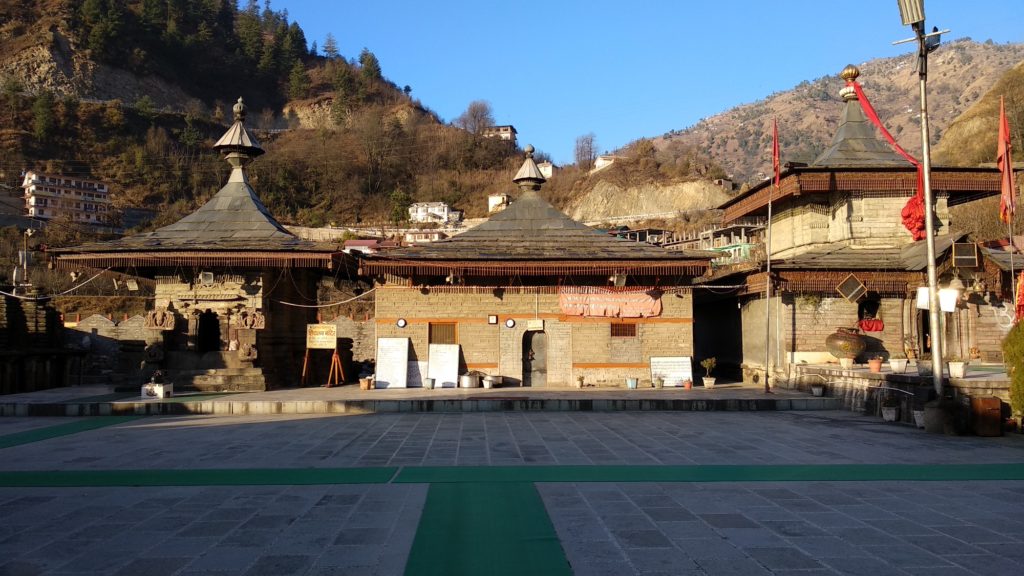
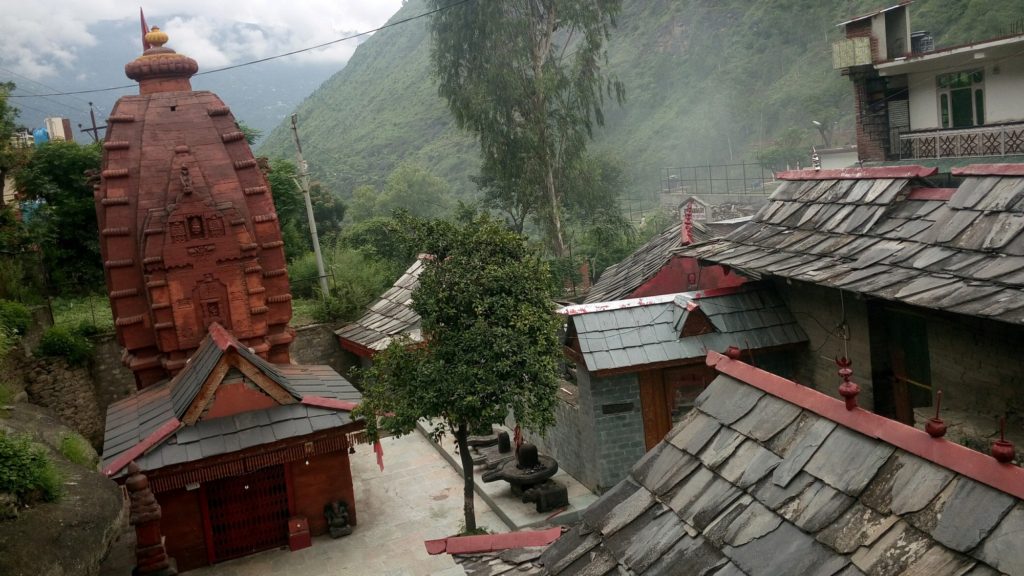
Hanumanji at hilltop, Shimla
I go to the Jakhoo temple every time I visit Shimla. February 2019 was no exception. I had reached Shimla in the evening and it had soon started to snow. It was a gentle drift which became heavier in the night. I set out very early the next morning to the temple, maybe at 5.30 or 6 a.m. The snowfall had covered the town through the night. The landscape was completely white. The town was still asleep, perhaps saying “Life would anyway be slow, so why rush the morning?” With all the silence, the walk through the soft and sinking snow felt even quieter.
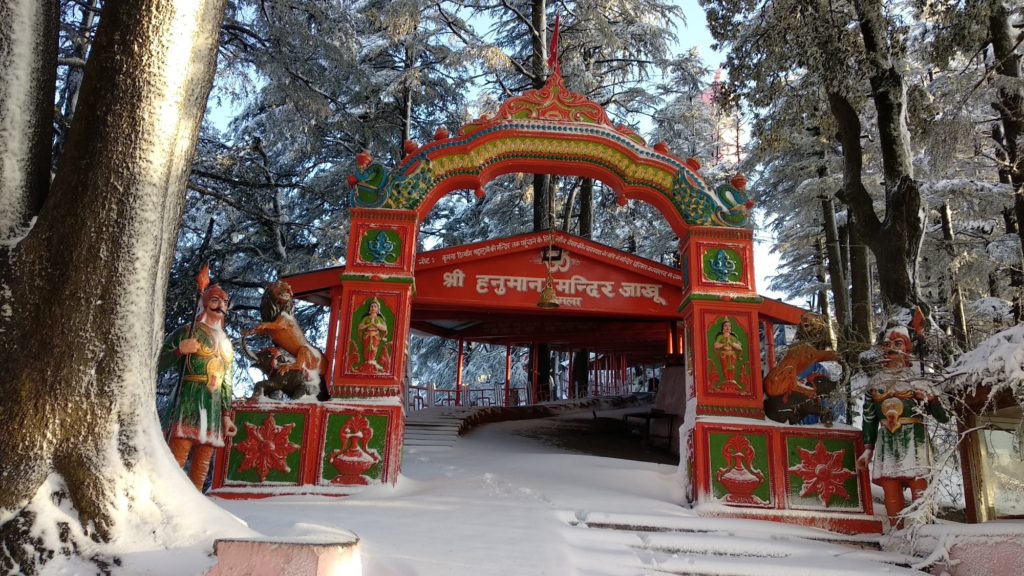
Last flight of steps before Jakhoo temple in Shimla
There was a bit of mystery ahead. In normal weather, the steep climb to Jakhoo takes just over thirty minutes. It snows heavier near Jakhoo and I was not sure if the route was even open. With legs sinking in calf deep snow, I was making only slow progress, but cheerful progress. The route was open but there were no other footmarks on the snow. The snowfall had been heavier near Jakhoo and my feet sank almost knee deep. When I reached Jakhoo I was the only devotee.
In warmer times, the climb itself is an experience. A small board just behind the public library at the ridge challenges you right at the start. It tells you how long you ought to take (age and fitness adjusted!). It is a steep climb for a third of the way winding past a café run by prisoners, some hotels, shops, a Church in disuse and some colonial bungalows. It levels out for the next one third of the way along a large playground and a row of houses. The last one-third is a steep climb on steps. This part is thickly wooded and full of aggressive monkeys. There is a somewhat inconvenient and slightly expensive rope-way. There is also a long winded road that takes you through all of Shimla’s traffic. You can avoid the climb with either of these, but you should climb for the experience and the memories.
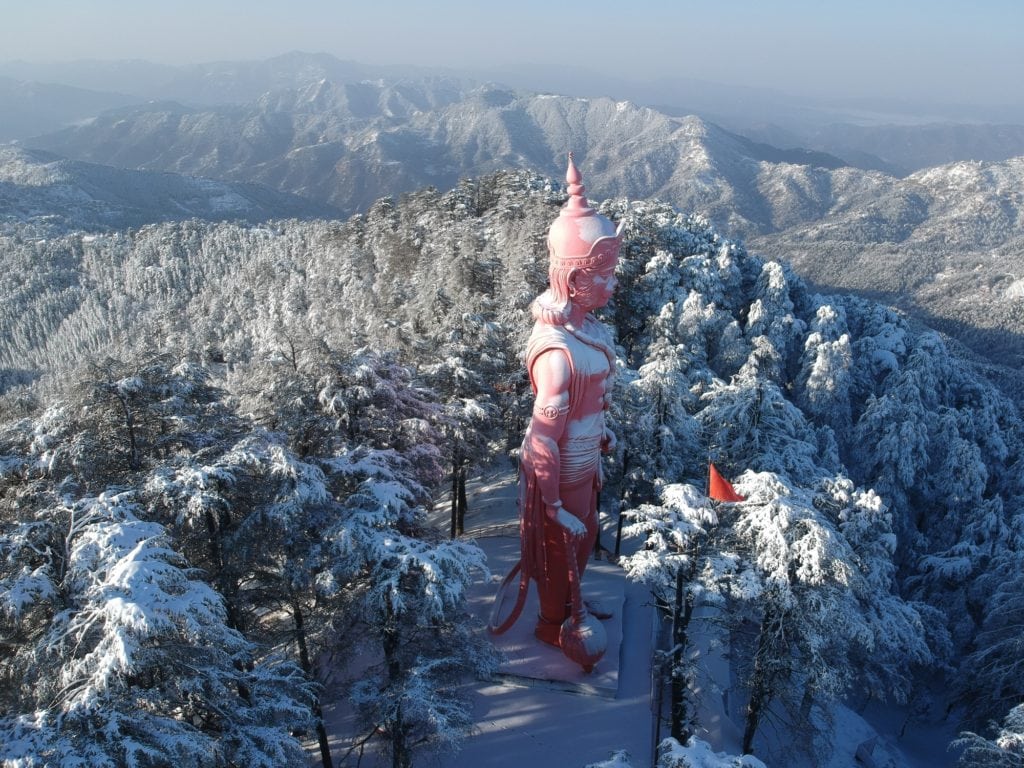
The temple is at the top of the ridge and is the highest point in Shimla. It marks the place where Hanumanji heard Sage Yakoo’s chanting and stopped, before resuming his search for Sanjeevini. The temple complex has a 108 feet tall Hanumanji who looks down at the mall road and Shimla ridge below. The sunrise and the sunset are fabulous at Jakhoo. The slanting rays break through the tree leaves to light up the saffron coloured temple walls from different angles. The shadow of the trees adds to the effect. The evening aarti is great community experience.
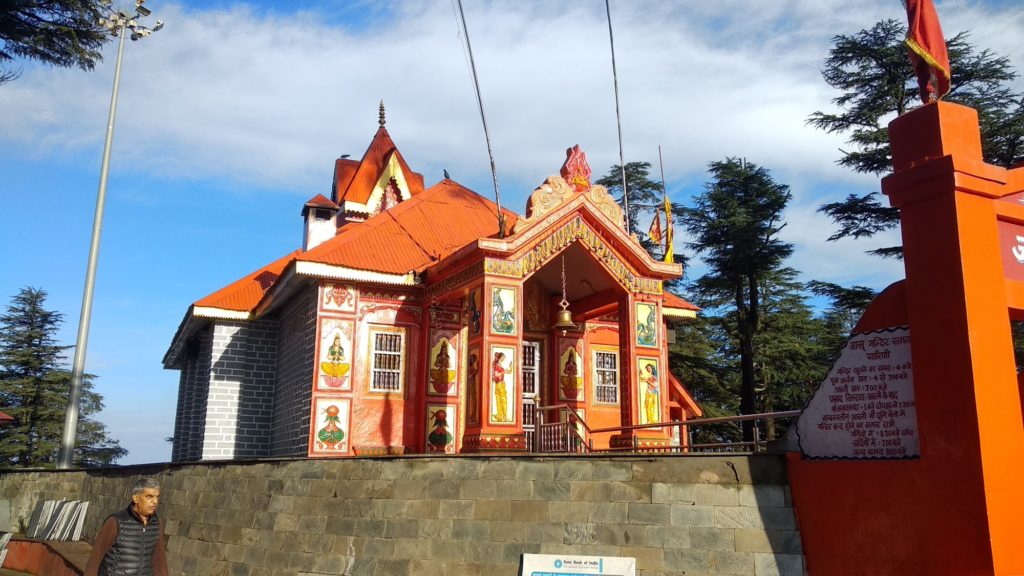
Sunrise at Jakhoo temple

Jakhoo at Sunset
The Panditji is of a ripe age and perhaps lives at the ridge itself and must have served Hanumanji for several decades. He serves the devotees tirtha, some prasad, a flower or two and then caringly applies the tika. He picks up every rupee offered to him and puts them in the hundi. Even if it was intended for him, he takes nothing of it for himself.
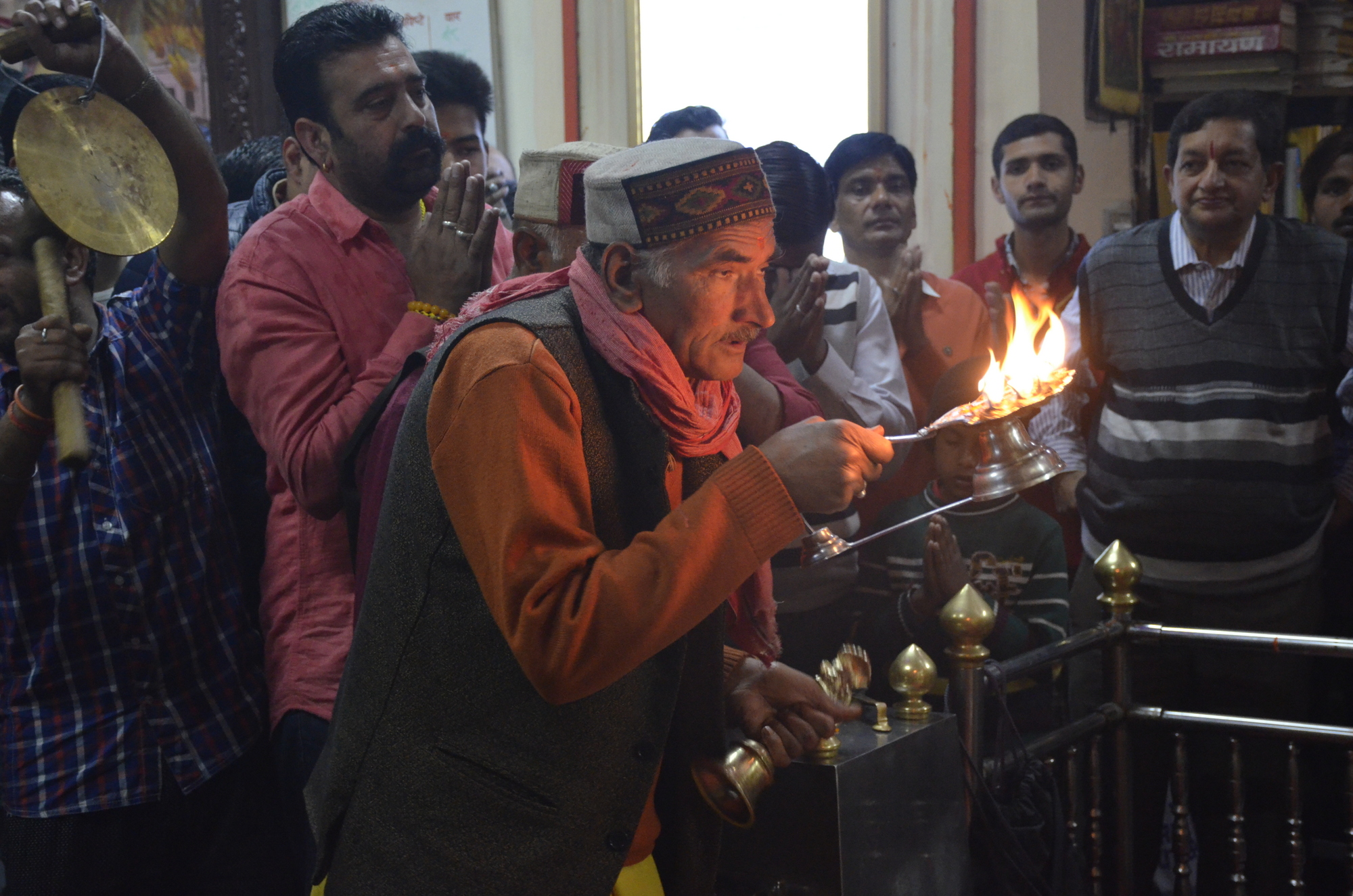
Evening Aarti
I had taken my drone along that morning. With freezing and numb fingers I managed to fly the drone for a few minutes. The drone’s eye view of Hanumanji standing amidst the blanket of snow was incredible. But the temperature took its toll. My thin gloves could not stop the cold that quickly turned into searing pain. I rushed down hoping for warmth. Luckily, ten minutes down, where the trail levels a bit to meet settlements, a tea stall was stirring to life. The owner looked at me and lit up a fire. Then brought me a cup of tea. Life came back. I have gone back twice since then for a warmer experience.
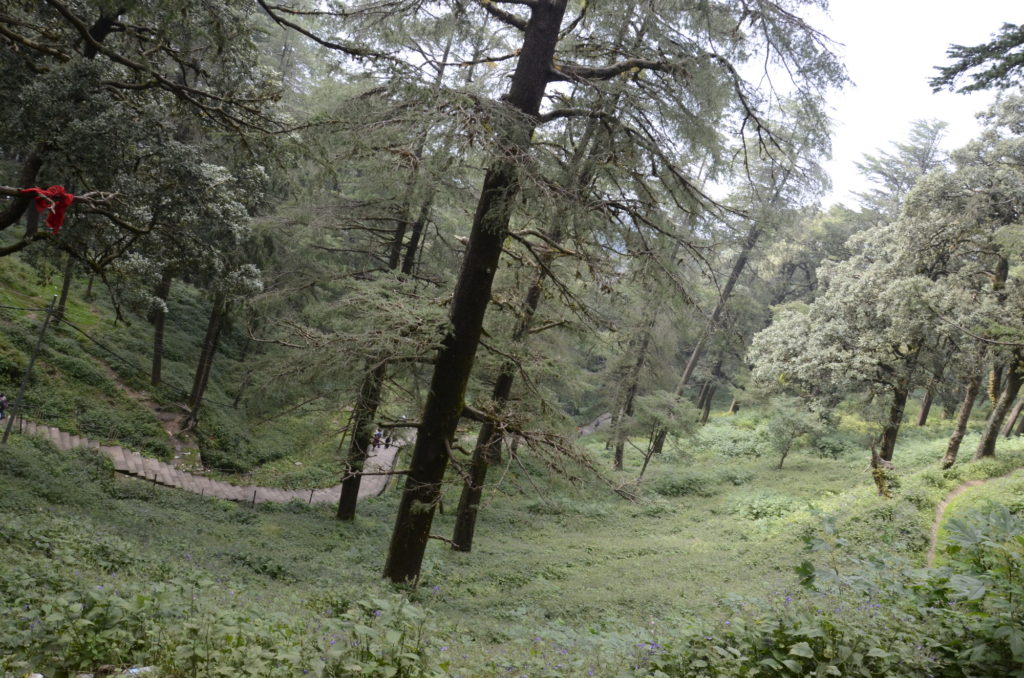
The climb to Jakhoo
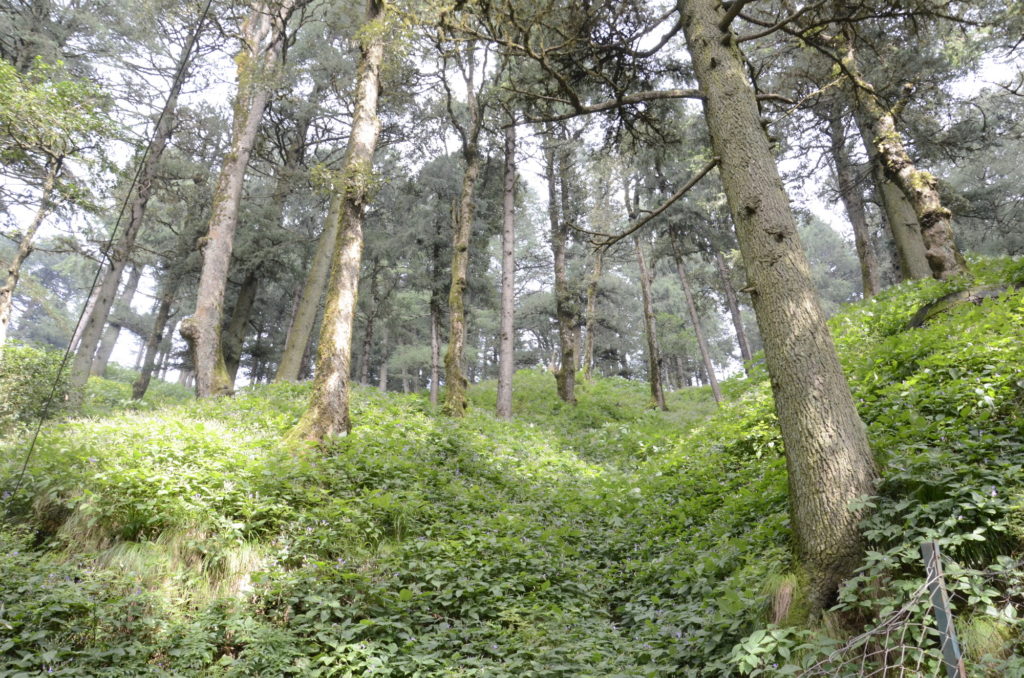
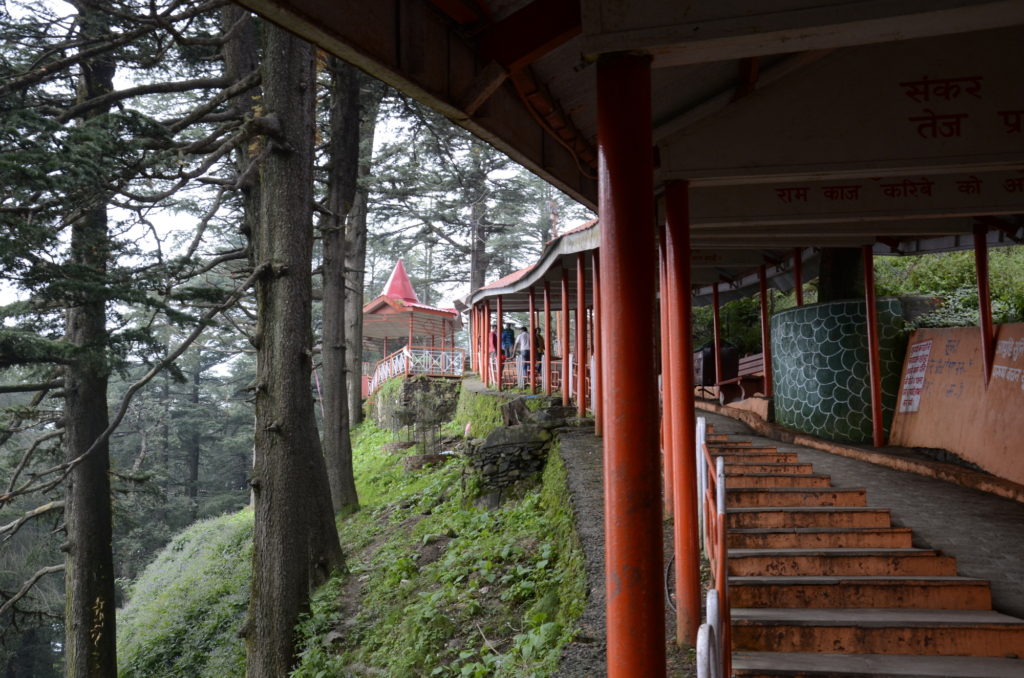
This last climb is a monkey kingdom
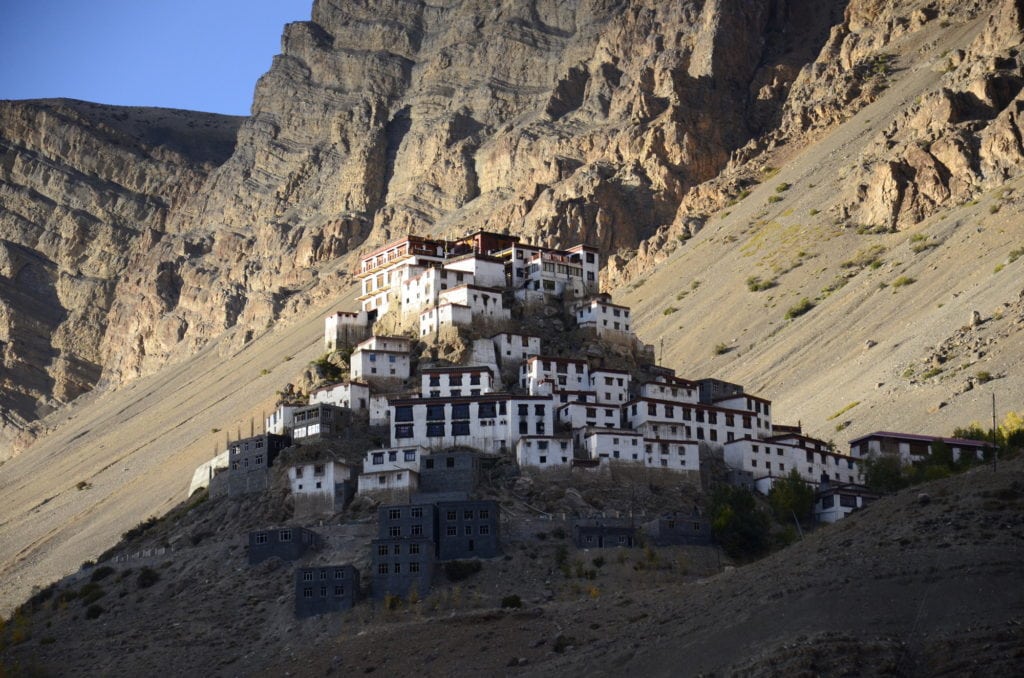
The pleasure of doing nothing at Ki
Ki Monastery. Temples of Himchal …13.
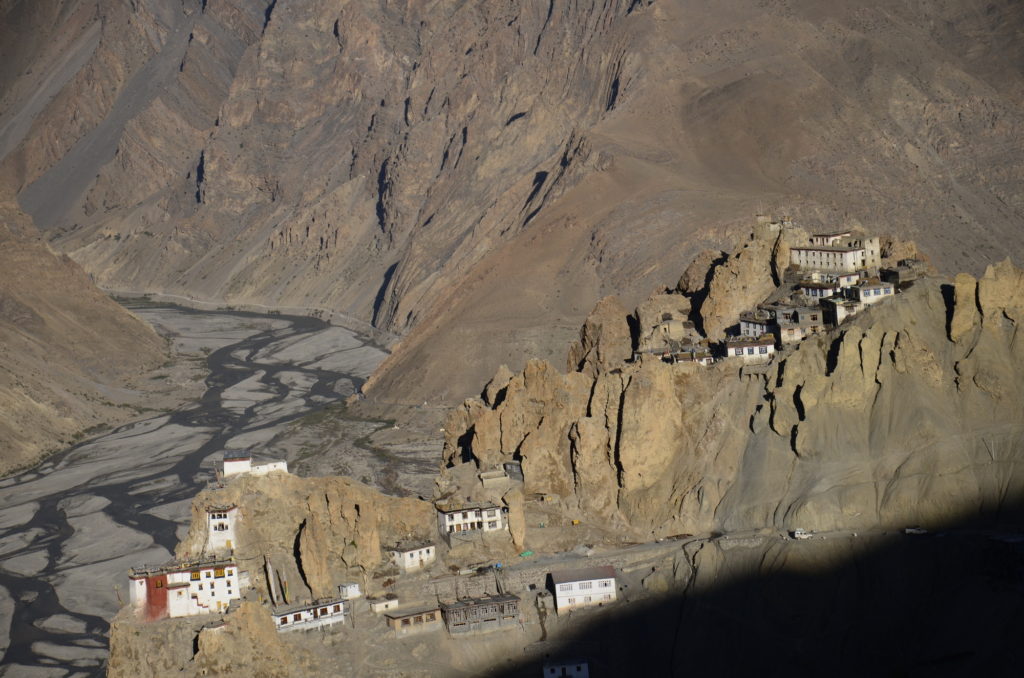
Ki Monastery forms the grand trio of Spiti monasteries with Dhankar and Tabo. Ki is a 1000 year old. It appeared much larger than the other monasteries, in size as well as the number of monks. It looks like a building pinched out of worn out rock and mud face. White and dark brown stick out of the mountain face and it takes the form of the rock face and is constructed over several levels sliding down.
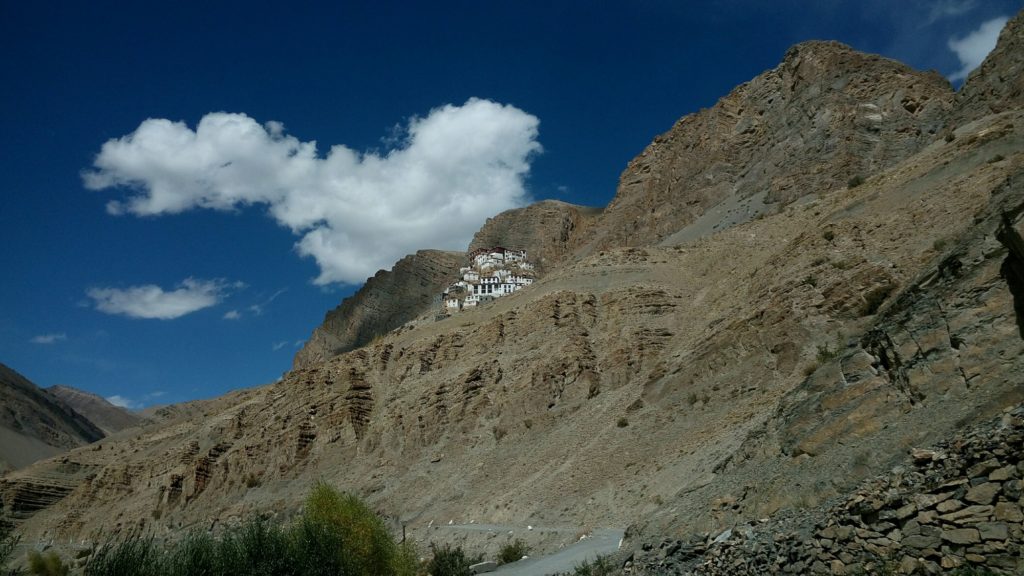
Capping the mud, Ki Monastery
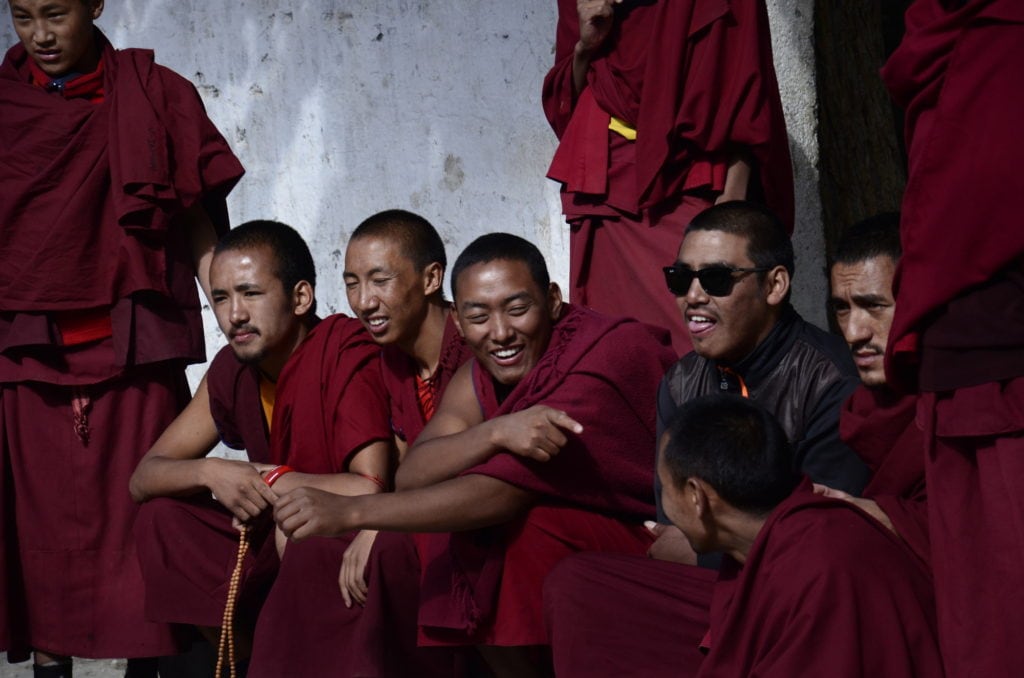
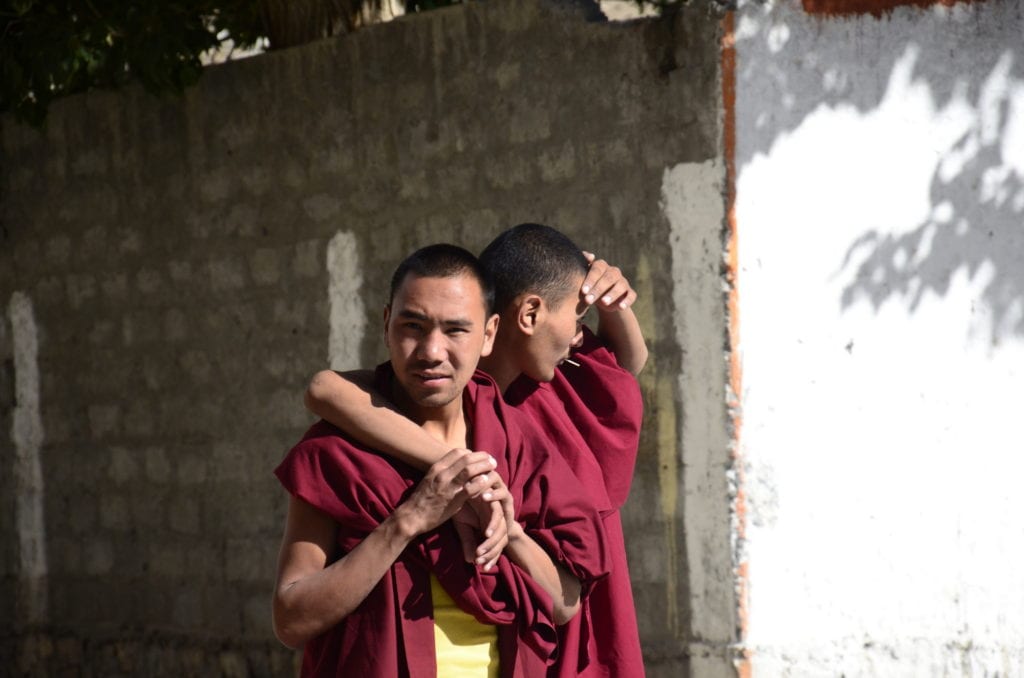
I kept going back to this place over two days for some reason or other. There was a Thai national negotiating a monastery stay (was allowed only three days), an Indian, killing time waiting for the single bus in the evening that would take her to the next destination, monks chatting. Then a monk opened a special room for me whose significance I have forgotten. I gazed at the monastery from the north, from the south. I went across the Spiti river to take a look at it from far. Heart’s content.
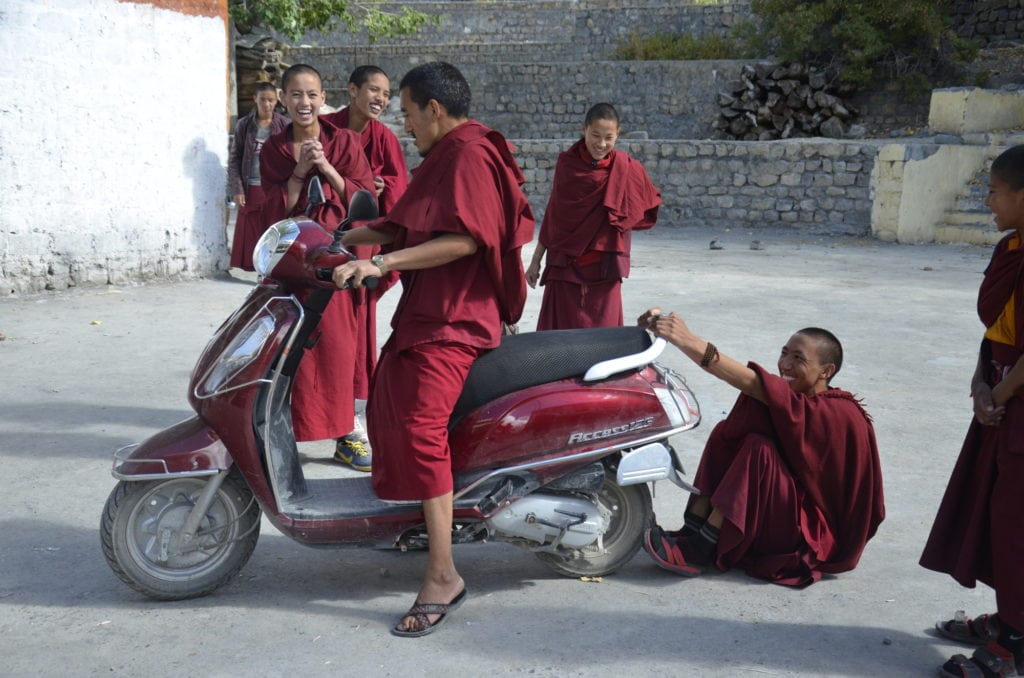
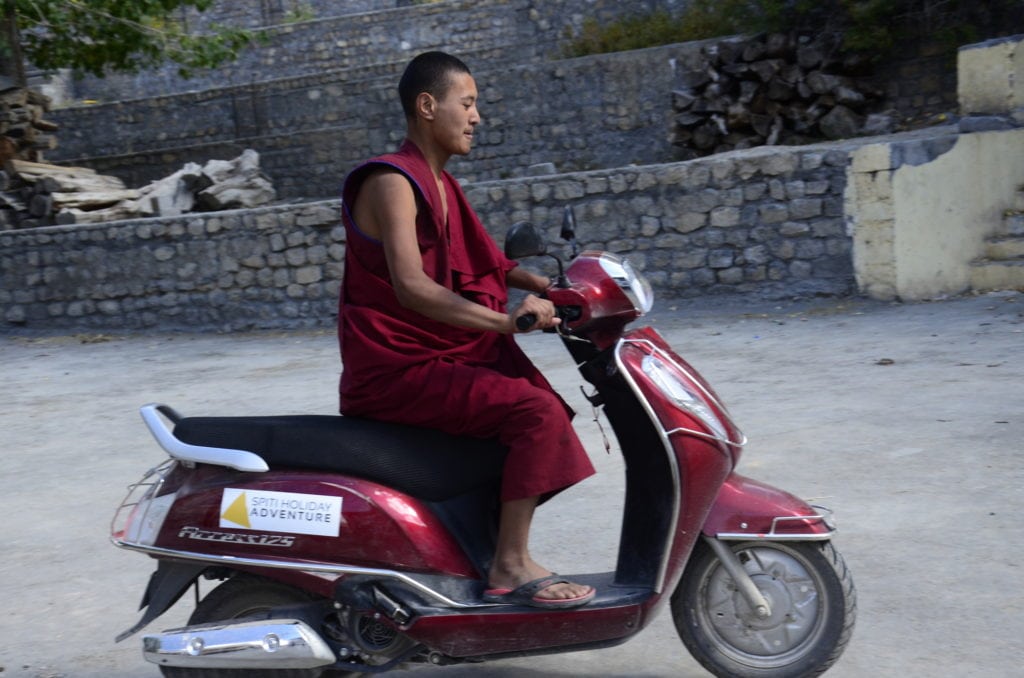
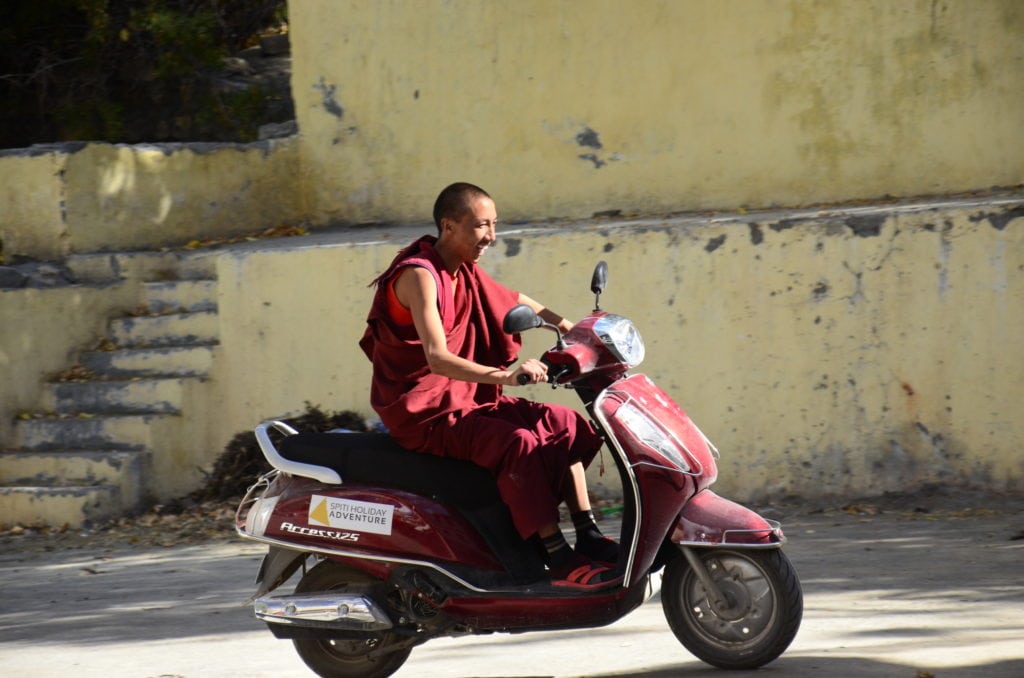
I watched several rounds of monk volleyball; a round of chanting; lunch serving. I was roaming around Spiti in a scooty which wasn’t a common thing then in Spiti. They borrowed it and went round and round a small square with absolute glee. I dont remember a single fact about the monastery, but each hour of idle at the monastery is kin of etched in mind.
The pleasure of doing nothing at Ki Monastery
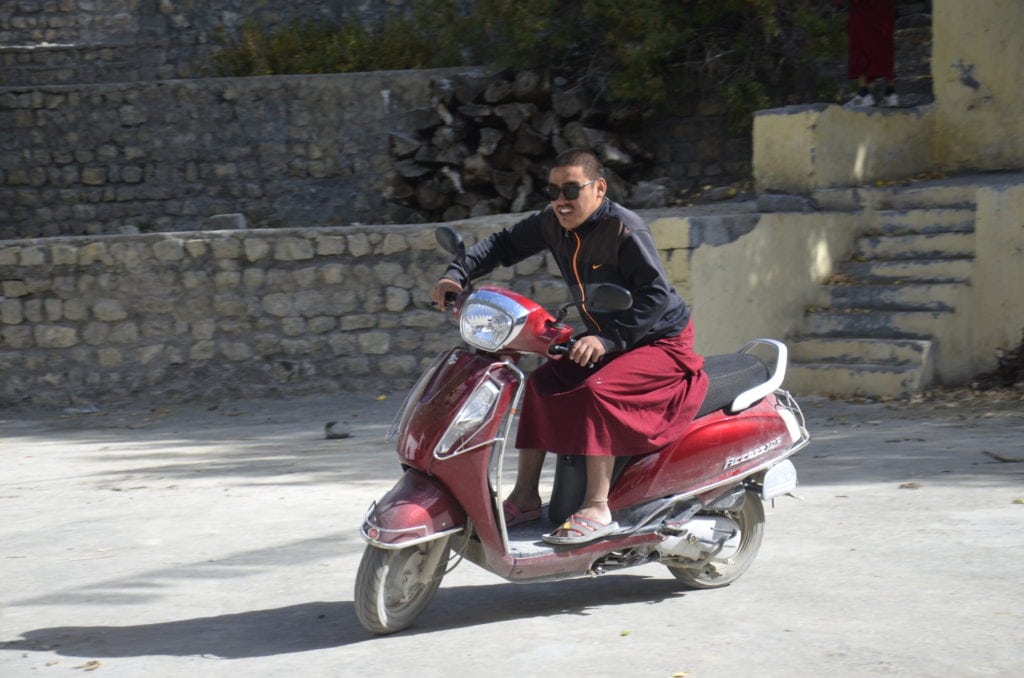
There is peace in Buddhism. For every other emotion, there is a scooty
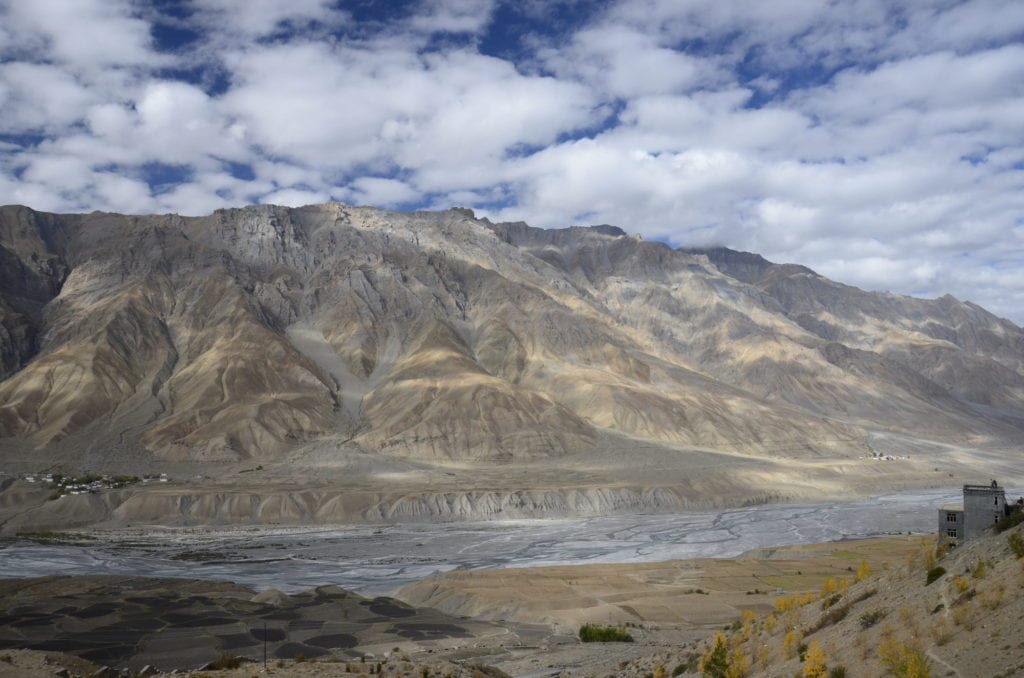
Across Ki and across Spiti river
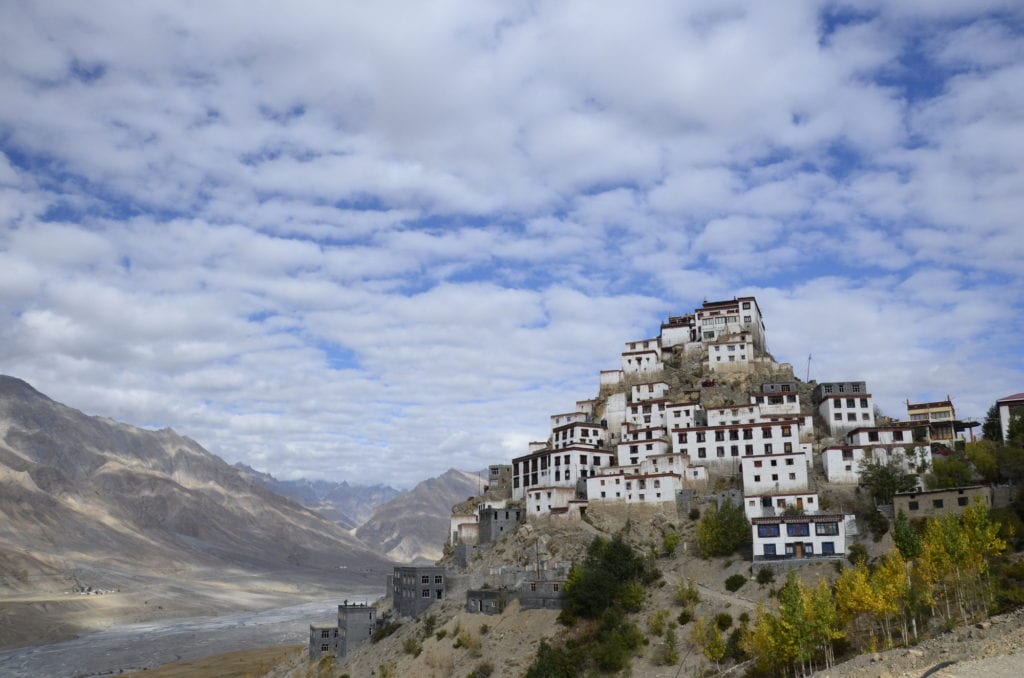
Perfect Cone
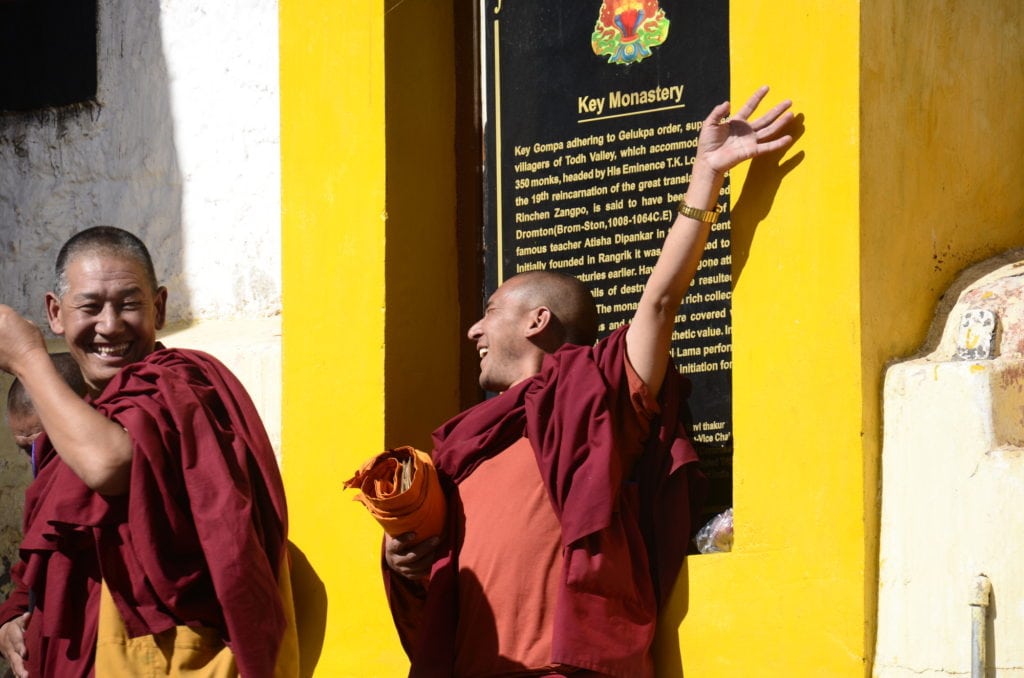
Buddhist brotherhood
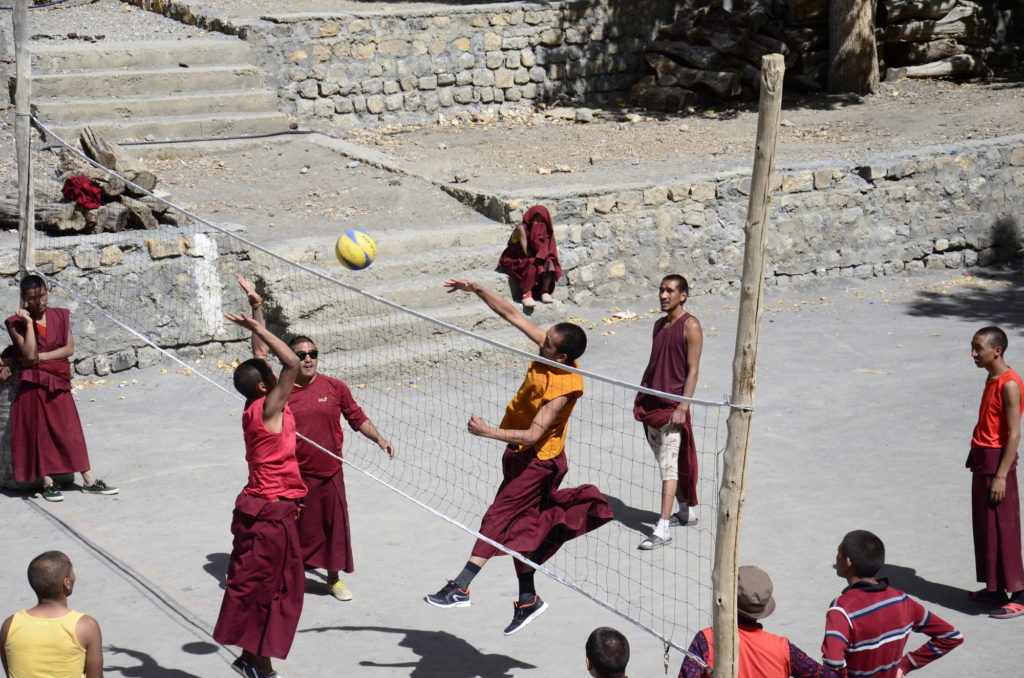
The punch of Buddhism
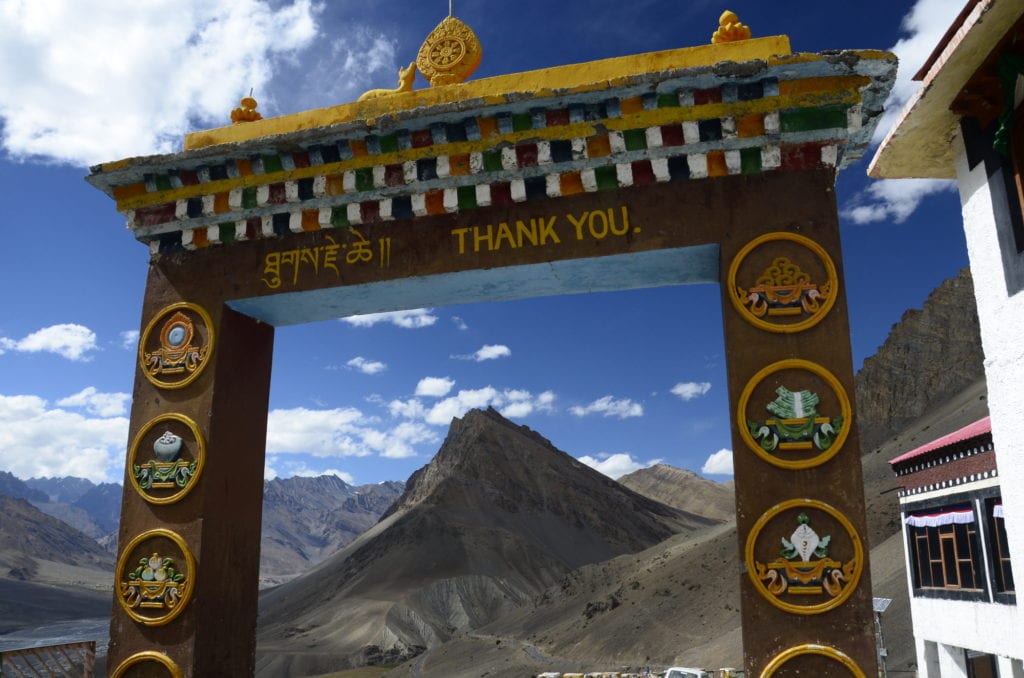
Thank you, for all that Spiti offers
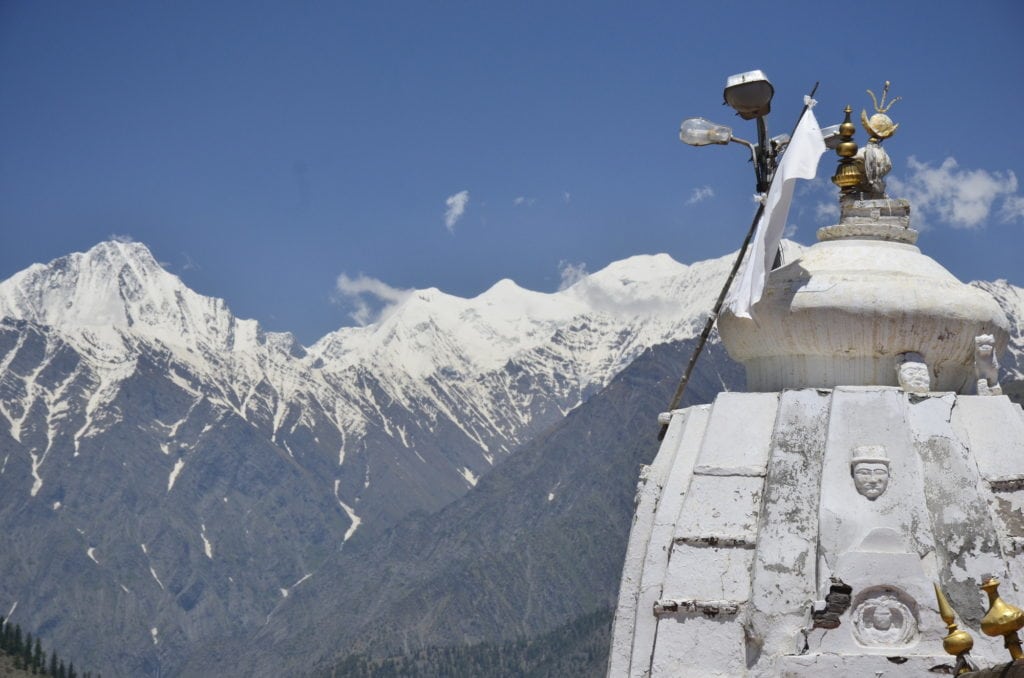
Harmony lived each day, Triloknath
Triloknath. Temples of Himachal…14
Triloknath is a small, but primary temple in Lahaul valley of Himachal. The valley is cut off for six months each year. The snow blocks the passes and the residents just live out the winter. Every now and then, a chopper addresses emergencies; and drops firewood when the winter sours. That will soon change as the tunnel near Manali will make it accessible all year.
The Chandrabagha, as Chenab is called in Lahaul, defines the Lahaul valley. A thin strip of green stretches on the sides of the river continuously. Then suddenly there is a sharp rock outcrop with a vertical face, almost as if someone worked on it. Across the river. Triloknath temple is on top of it.
It is a totally nondescript temple with a deep message. Its original identity is claimed as both Hindu and Buddhist, 1000 or 2000 years old. The deity is worshipped as Shiva by Hindus and as a bodhisattva by Buddhists. The form of worship defines harmony. There are both Hindu and Buddhist priests sitting together. The pujas alternate between the traditions every few hours. The festivals also keep flipping between Hindu, Buddhist and common festivals. This is not photo-op secularism but deep lived harmony.
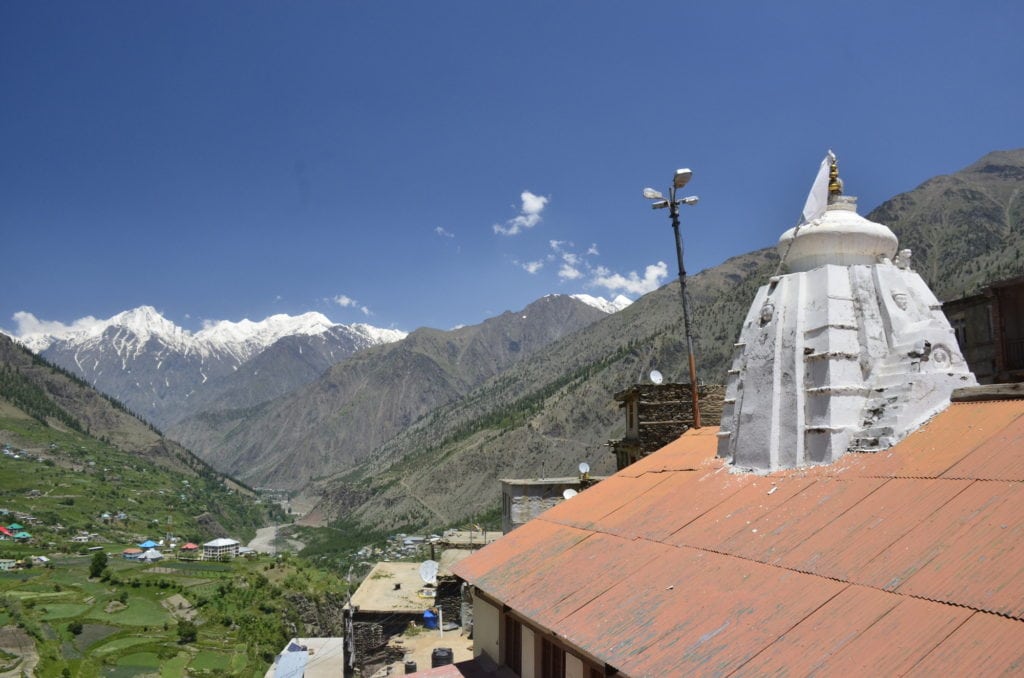
Triloknath towers above the Chandrabagha valley
The landscape around adds to the harmony. There are stunning patches of greenery amidst the sand and rock face. Chenab snaking through the thin valley. Suspension bridges adding mystery to the landscape. Streams cutting through mountain passes to feed Chenab. I was happy riding a scooter and took more than 4 hours to cover the 40 km distance along the valley.
Lived harmony in the temples of Himachal. Triloknath.
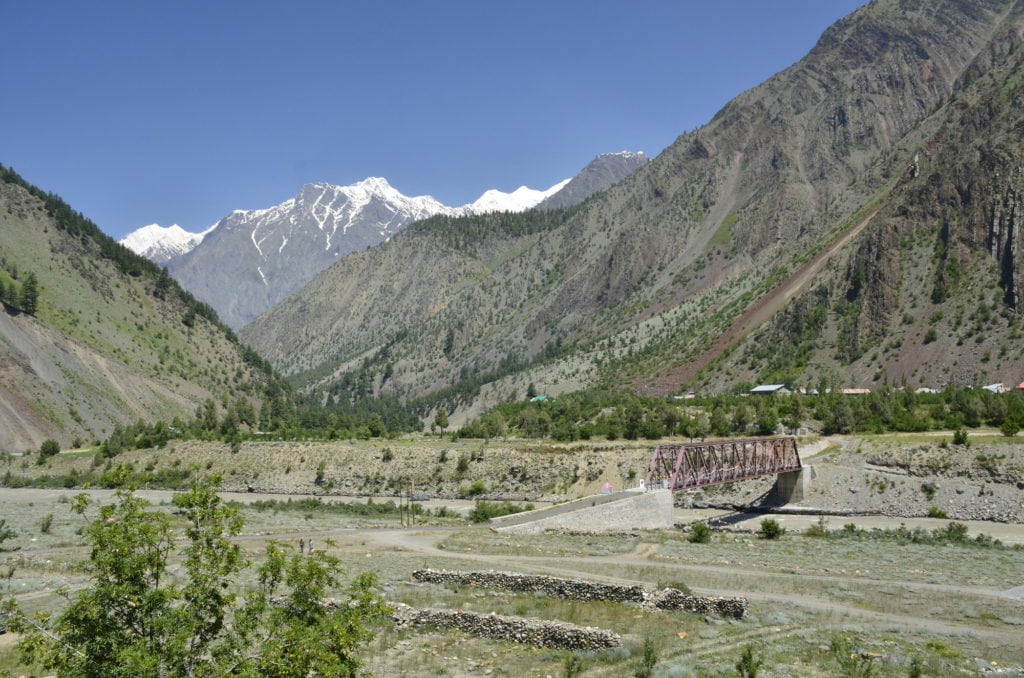
Chenab Valley
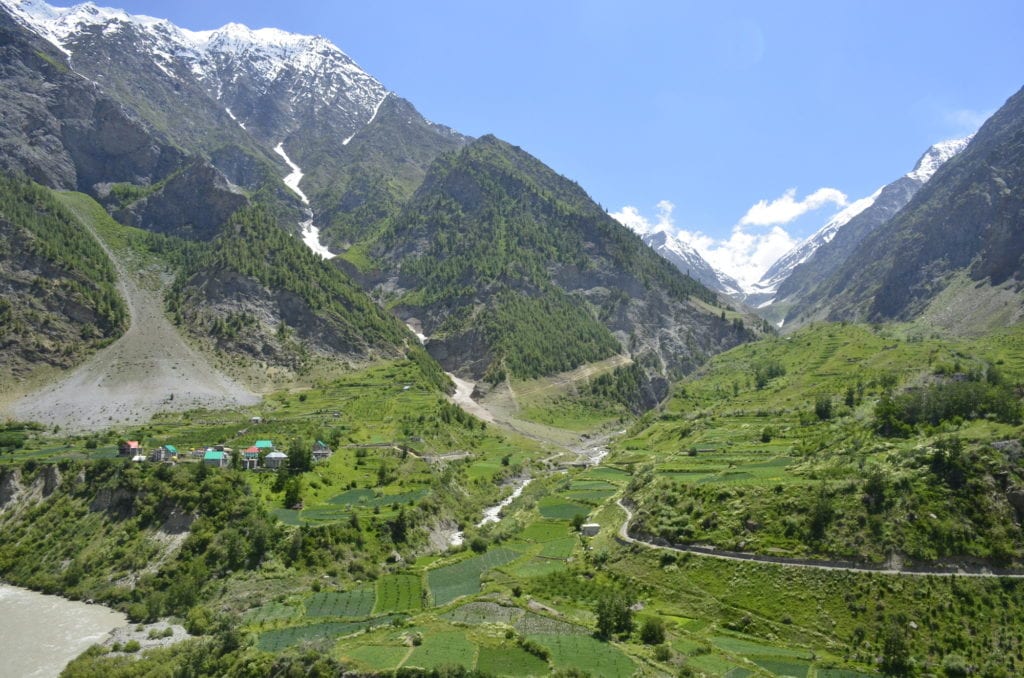
Around Trilokanath in Lahaul
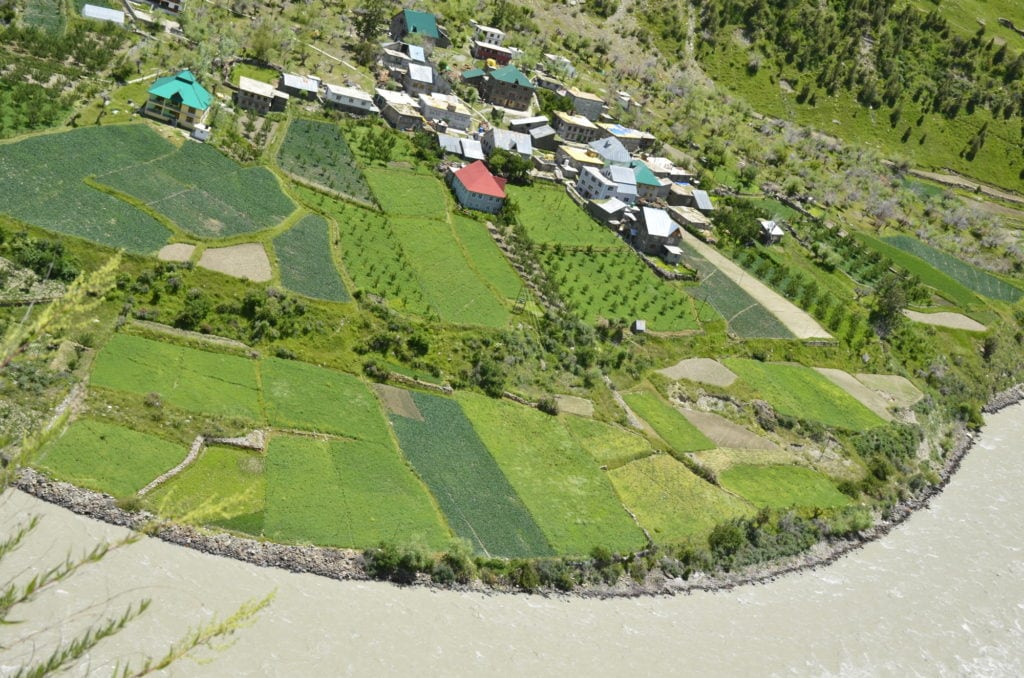
Farming at the riverfront of Chandrabagha
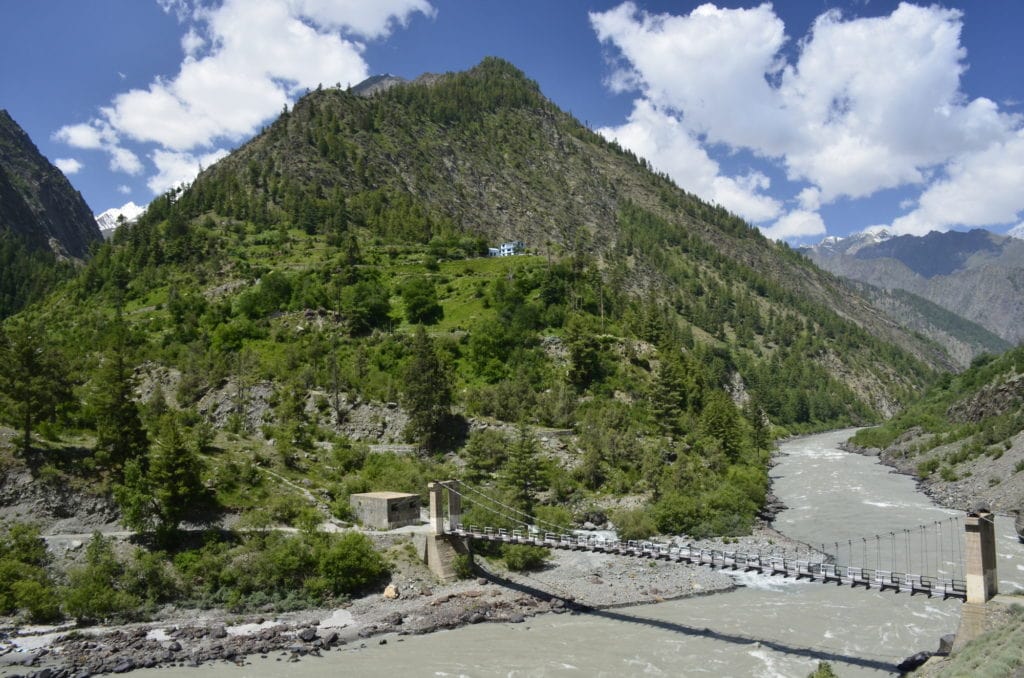
The many suspension bridges across Chandrabagha