- All (76)
- Footsteps of Rama (3)
- Himachal (16)
- Quiz (0)
- Temples (16)
Footsteps of Rama 3

Geography of Krishna
Second Quiz, Lessons 4-6 Puranas
First Quiz, Lessons 1-3 Puranas
Lesson 19 2022
Deity Theft
Teerthas
Lesson 11
Lesson 7 2022
Lesson 8 2022
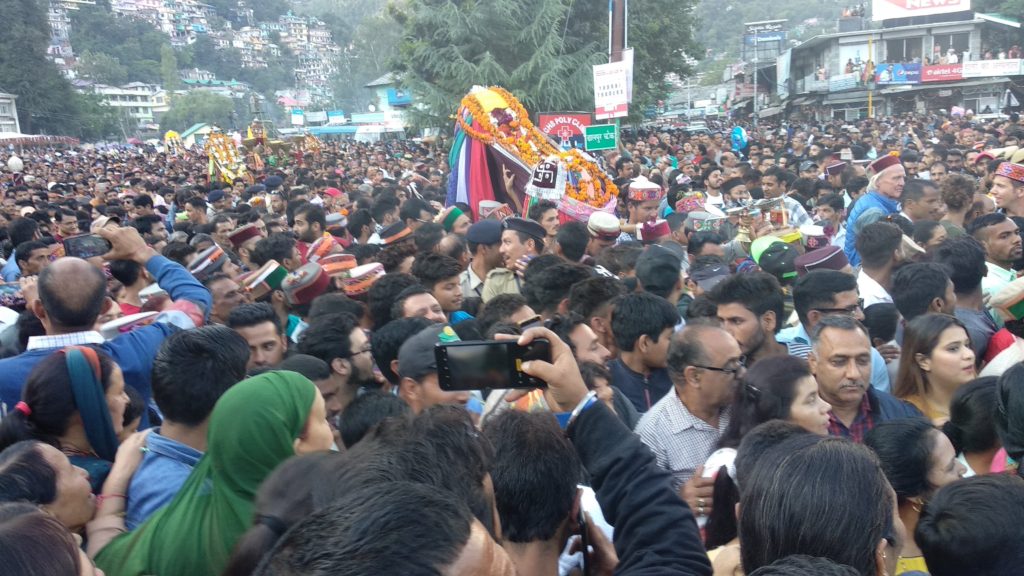
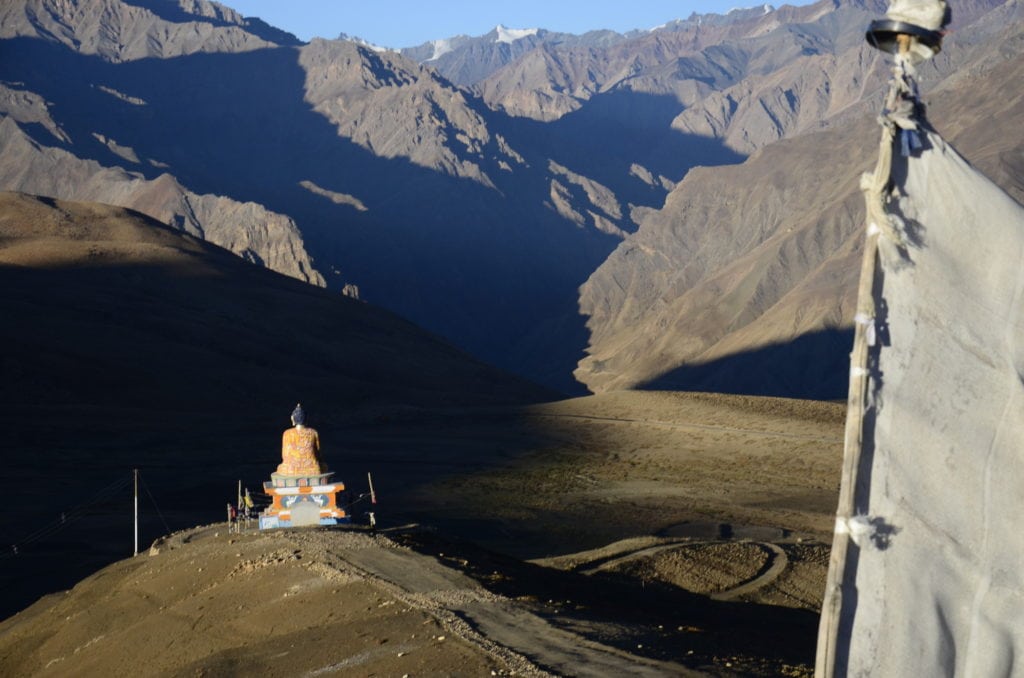
The perspective of Buddha, Langza
Langza. Temples of Himachal ….12
The river Spiti is the spine of the region and Kaza, the largest town. It is about 3800 meters altitude. The river valley is somewhat narrow and hardly has any vegetation along it. A number of villages rise up the valley at different heights. Each has a patch of land, some large, some small, that surprisingly is cultivable.
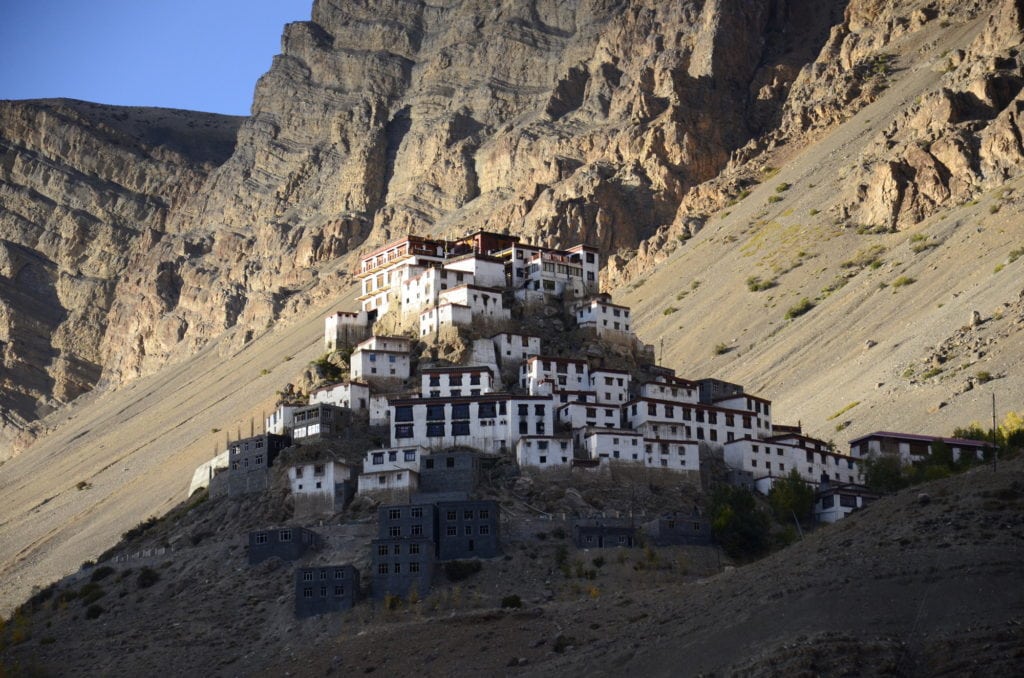
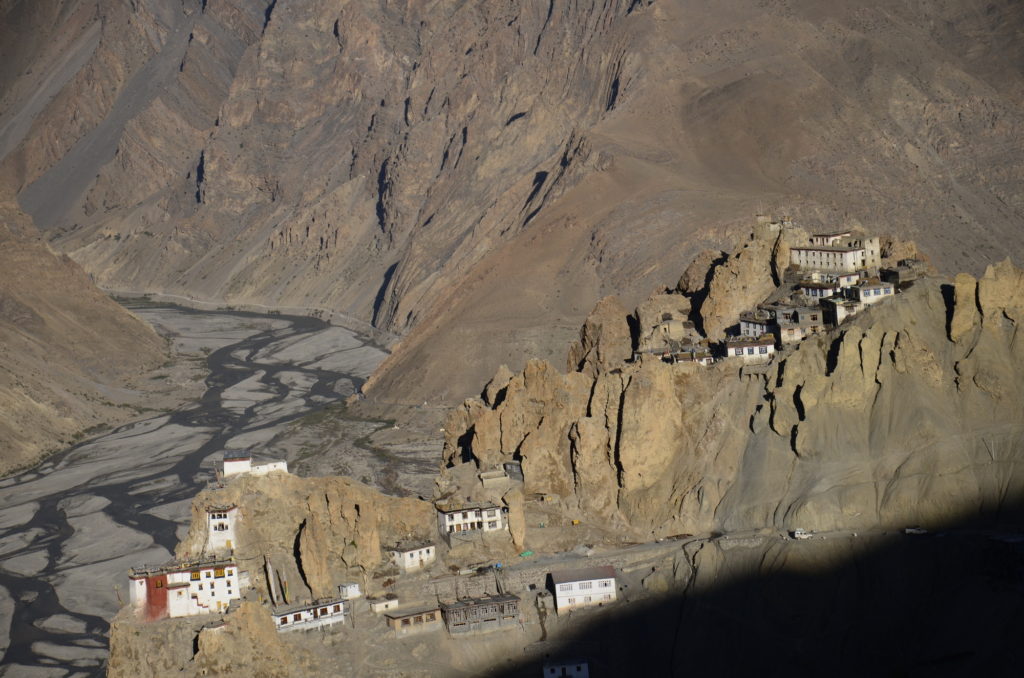
Langza is one such village. It has less than 150 people. It is at 4250 meters. It is a sharp climb from the valley on barren mountain face. The road snakes through gaps in the mountains and then it suddenly opens up to the vista. You can see tiny specks of the village and houses at a distance.
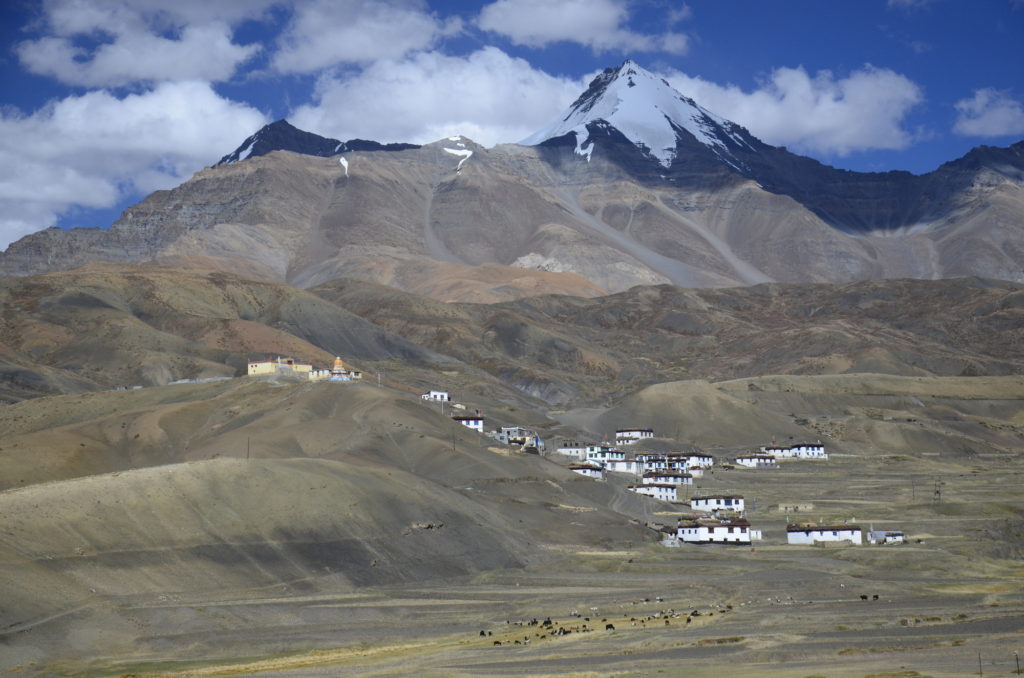
The first glance of Langza
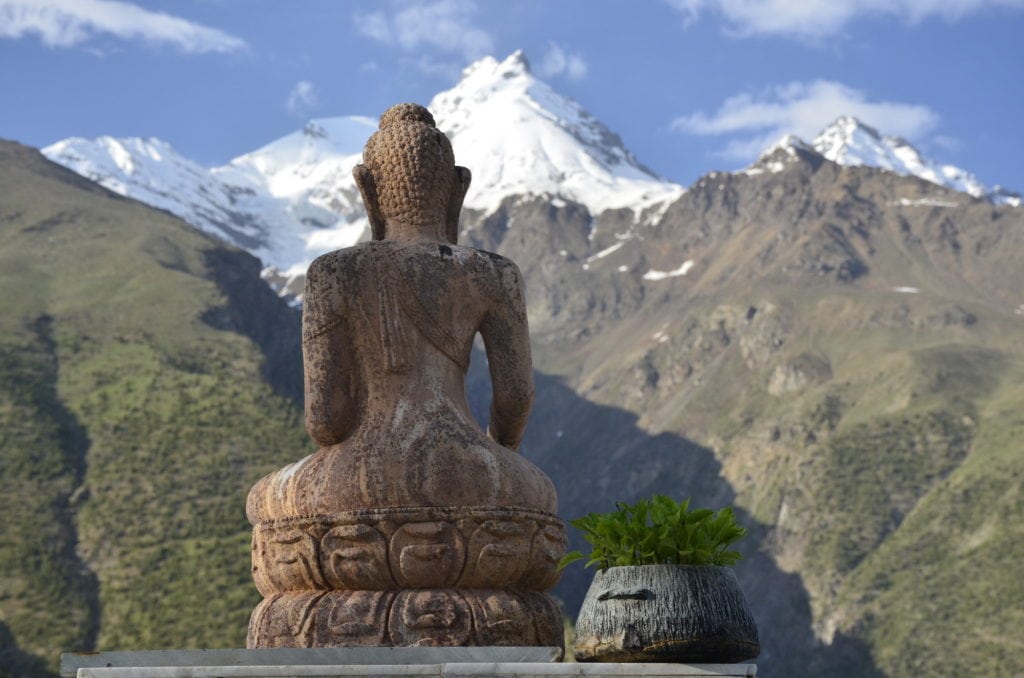
The centrepiece of the village is the Buddha statue, giant, maybe 40 or 50 feet high. He overlooks the vast plains and it is difficult to get a sense of proportion with all that space. Right behind the Buddha is the 21000 feet Chau Chau mountain. With snow all around the year, it looks like a ice cream cone.
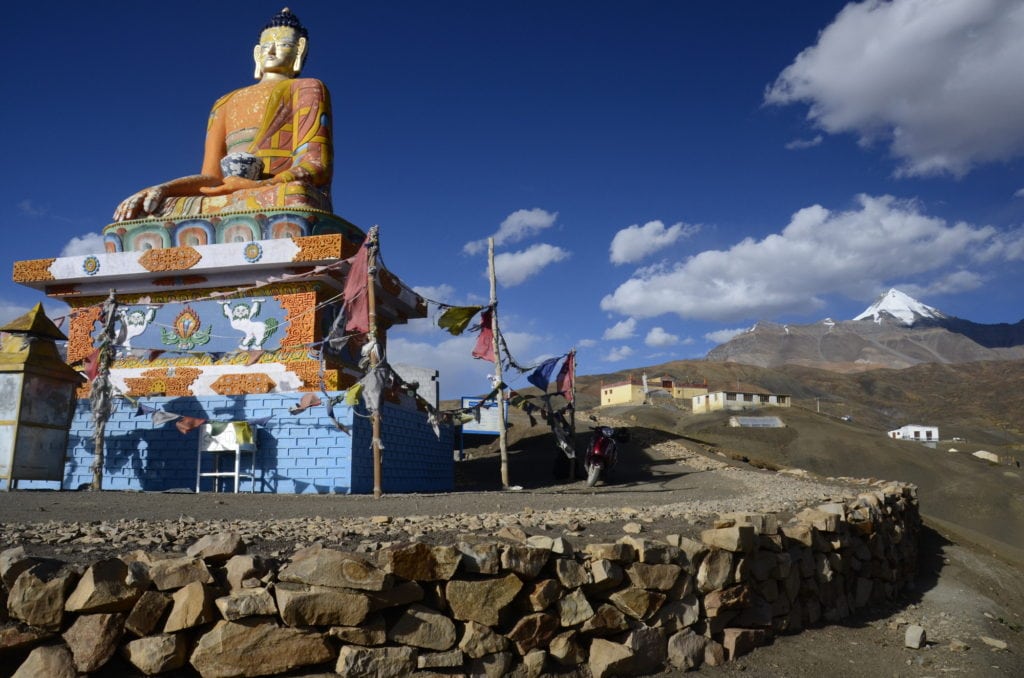
Buddha and Chau Chau mountain
There are a couple of houses that host guests. When I reached early afternoon there was no one around at the place I was planning to stay. A toddler asked me to settle down and said his dad will come in a while. Time kind of doesn’t make sense here and he eventually came, hosted, guided and cooked for me. The womenfolk are totally engrossed in the farm work and don’t waste a minute of sunshine in late summer. Langza is also known for fossils which I didn’t buy from the two women bent on selling to me. I should have. I had plans for Annapurna in the autumn and thought I’d buy them there. I should have bought some in Langza.
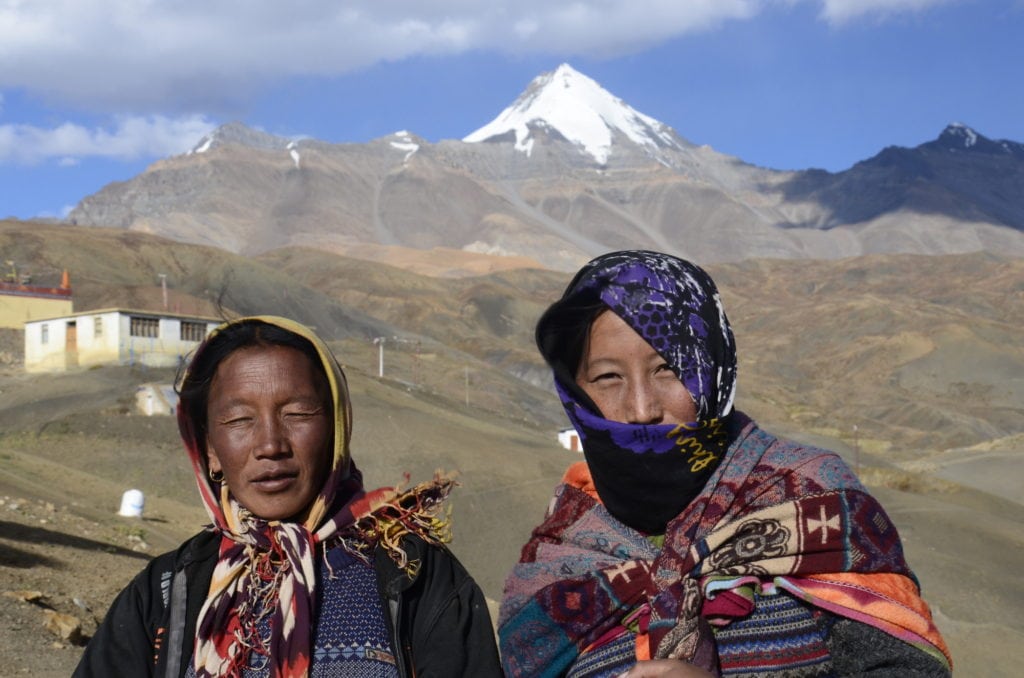
High street retail at Langza, Fossil sellers
Langza also leads up to Hikkim which the world’s highest post office; and further on to Komic which has a road at 4600 meters.
Langza and the Buddha, at 4250 meters, more than take the breath away. It is a different perspective.
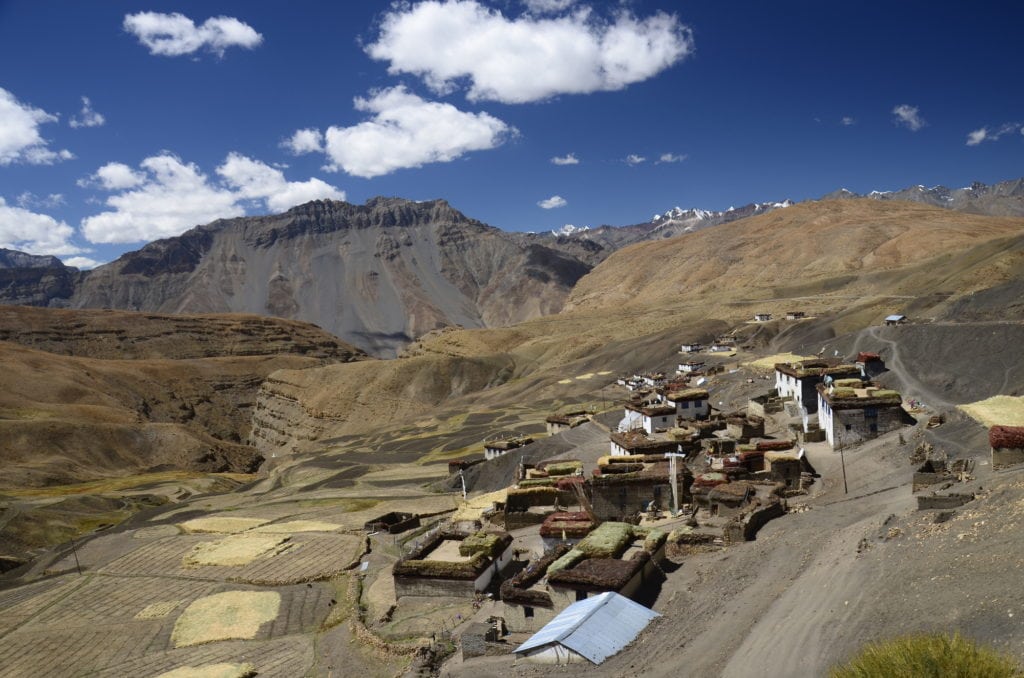
Around Langza 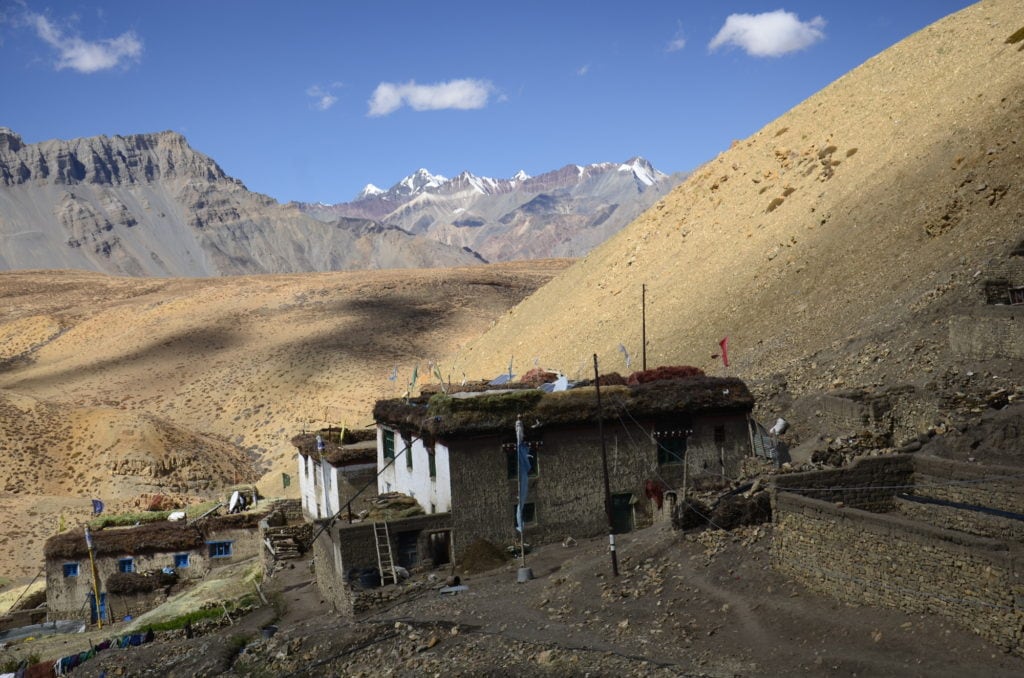
Around Langza 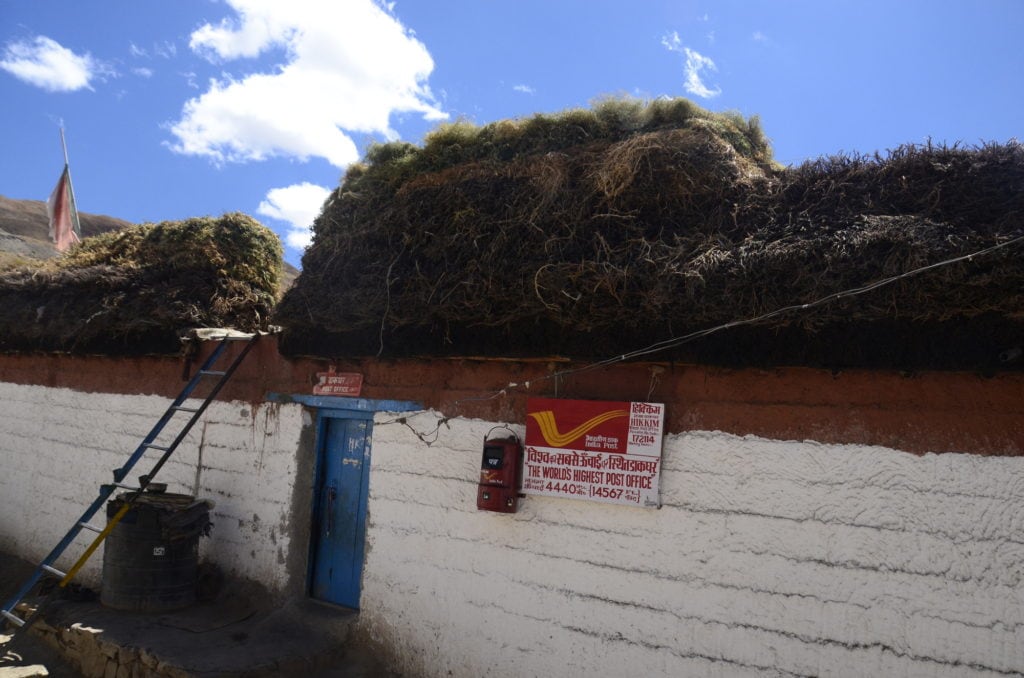
Post office of Hikim
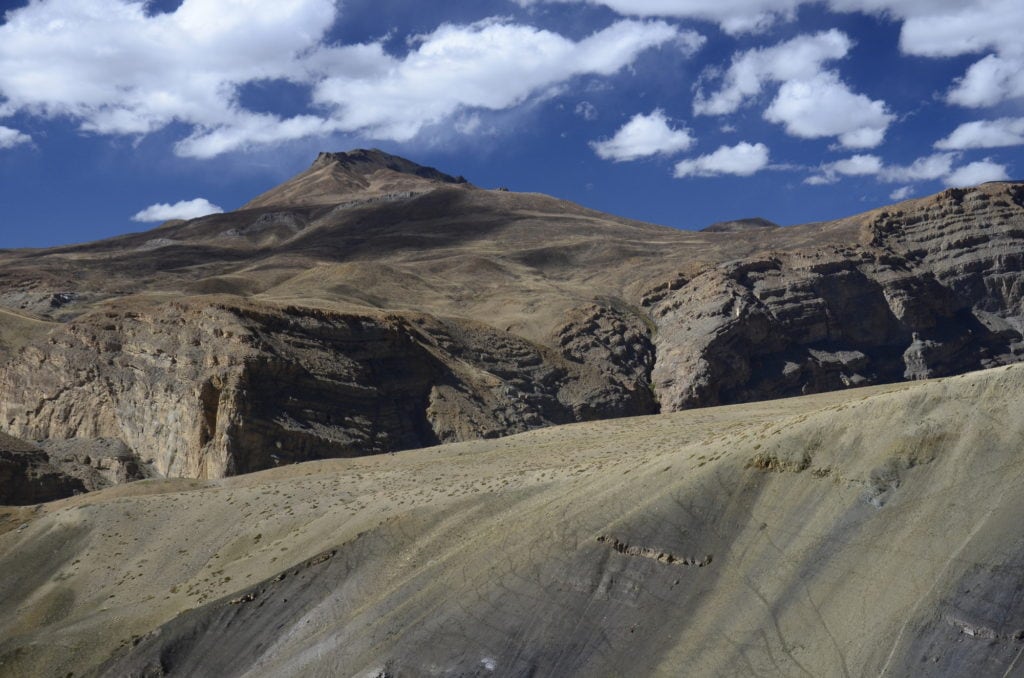
The landscape of Langza
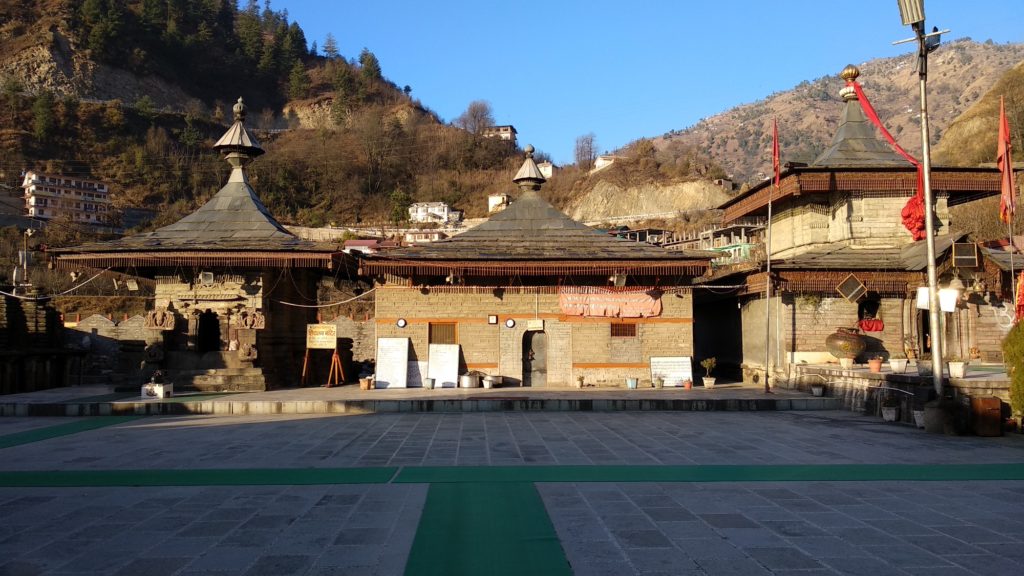
Hatkoti, on its own
Hatkoti, Temples of Himachal… 5.
Shimla is over visited, so is Dehradun-Mussourie. Surprisingly, the region between Shimla and Dehradun is not. There are several routes, some as short as six hours.
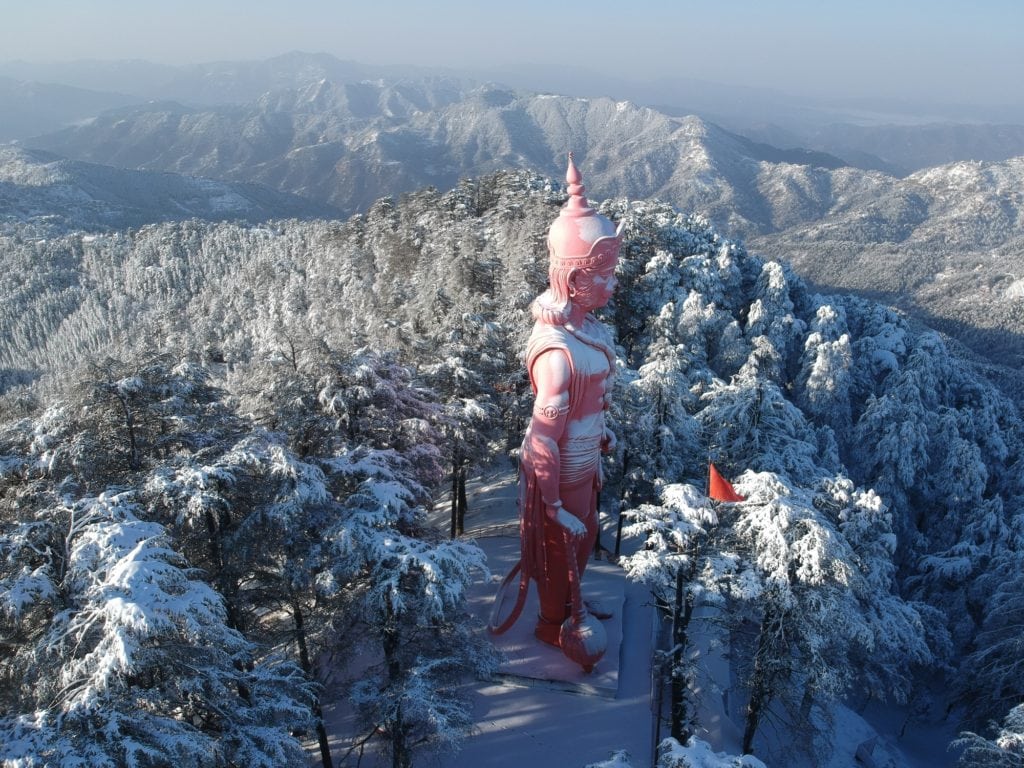
Hatkoti is in one of them, a 100 odd kms east of Shimla. This is the start of the Yamuna river territory. Every drop of water that falls on this side finds its way to Yamuna and eventually to Allahabad and Varanasi and Bay of Bengal. The road passes through Karapathar: a hill station that Himachal tries to hide for its own good. You can see all the snow you want, and also leave behind the crowds of Kufri and Shimla.
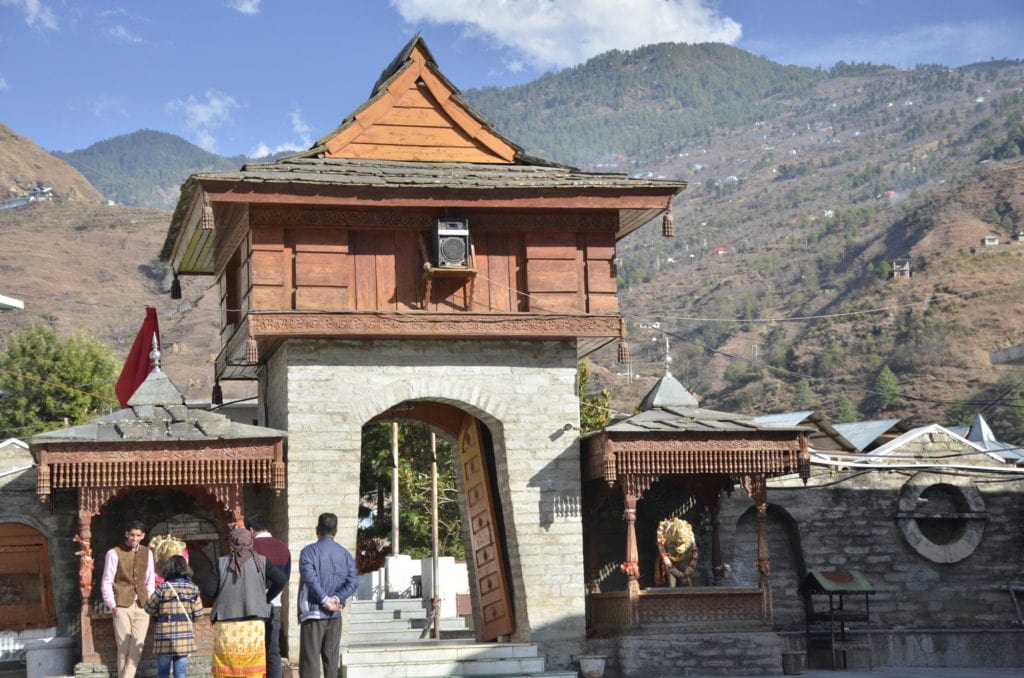
Entrance gate of Hatkoti
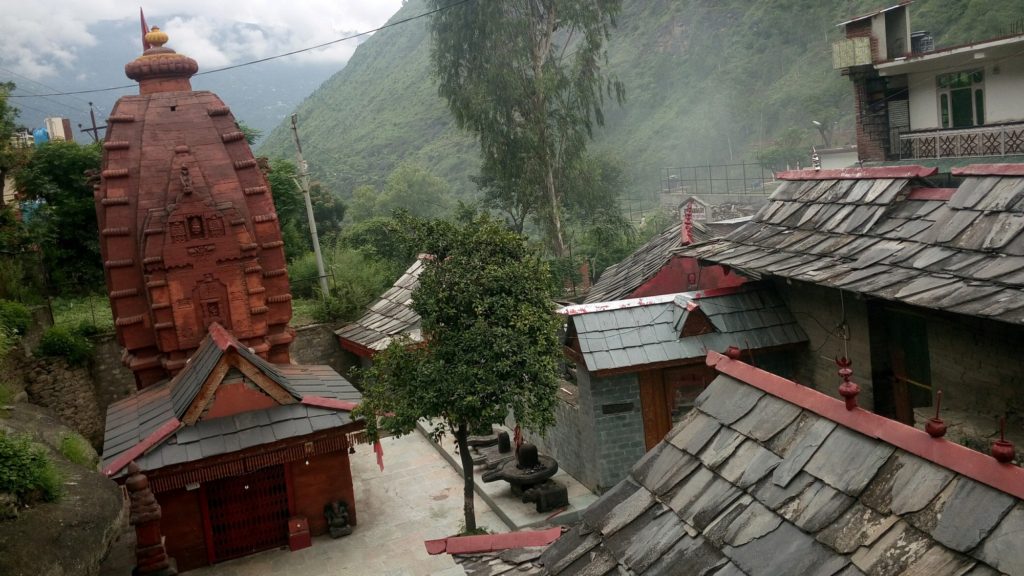
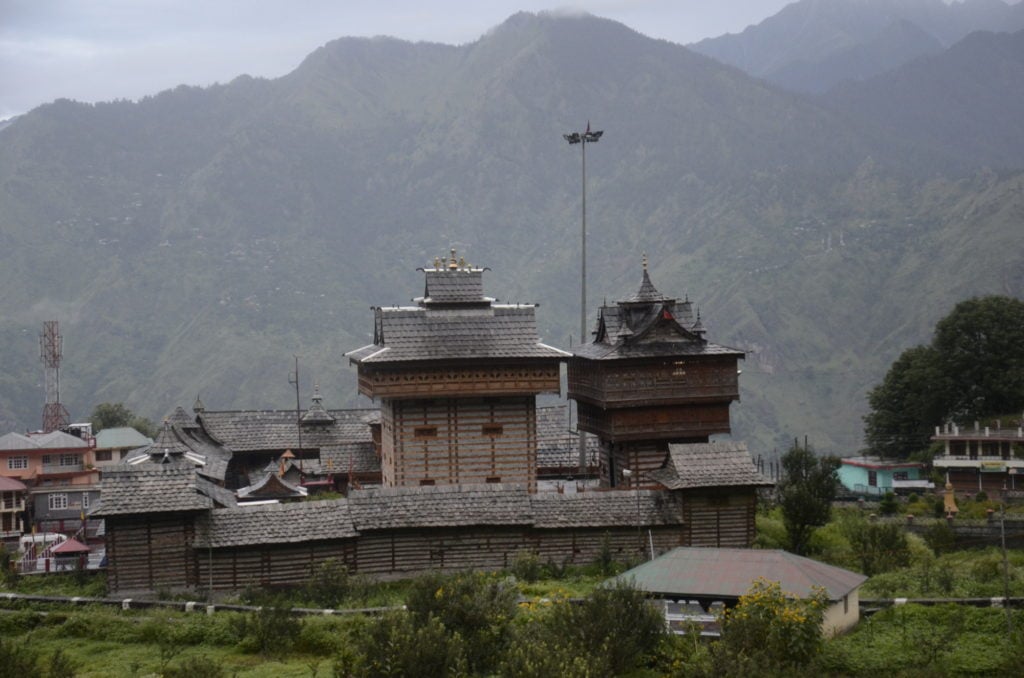
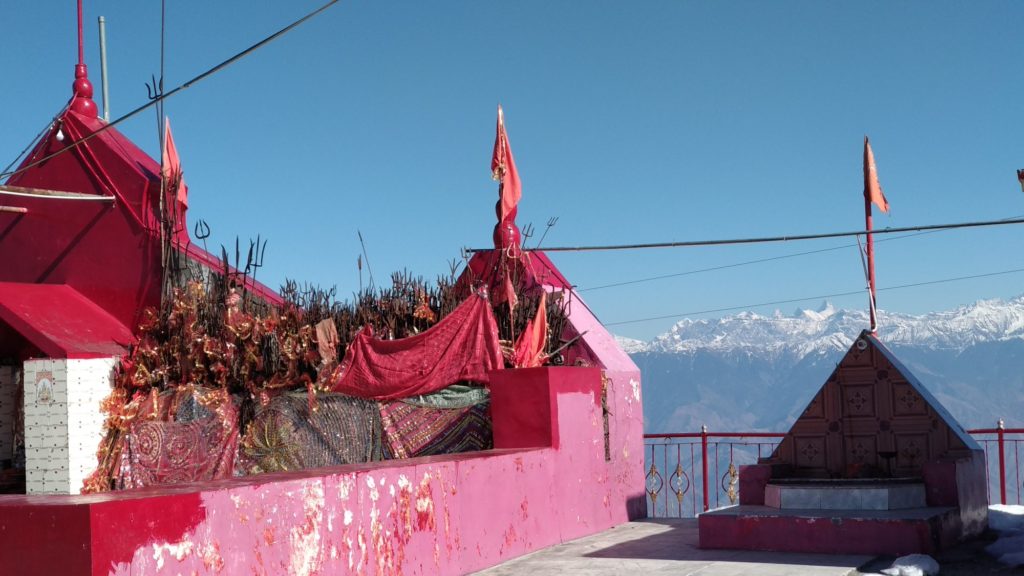
The Hateshwari temple is at Hatkoti, where the road meets the river Pabbar. At Hatkoti, Pabbar opens up into a wide valley and the temple overlooks the valley and the rice plains.
On an idle day, there is so much to do around. You can wander in any direction and into any field as guests are assumed to be non threatening. There was a dam under construction and I even slithered up the spillway without anyone objecting. The depth of knowledge in the chit chat within the temple; the extent of their global awareness stunned my assumptions.
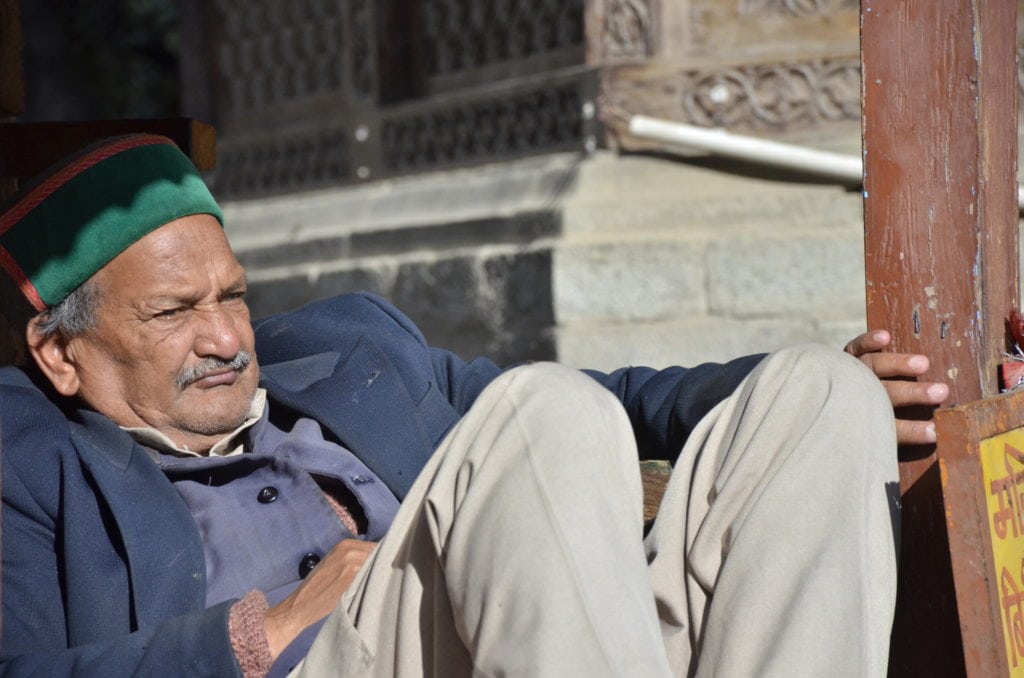
December Sun at Hatkoti
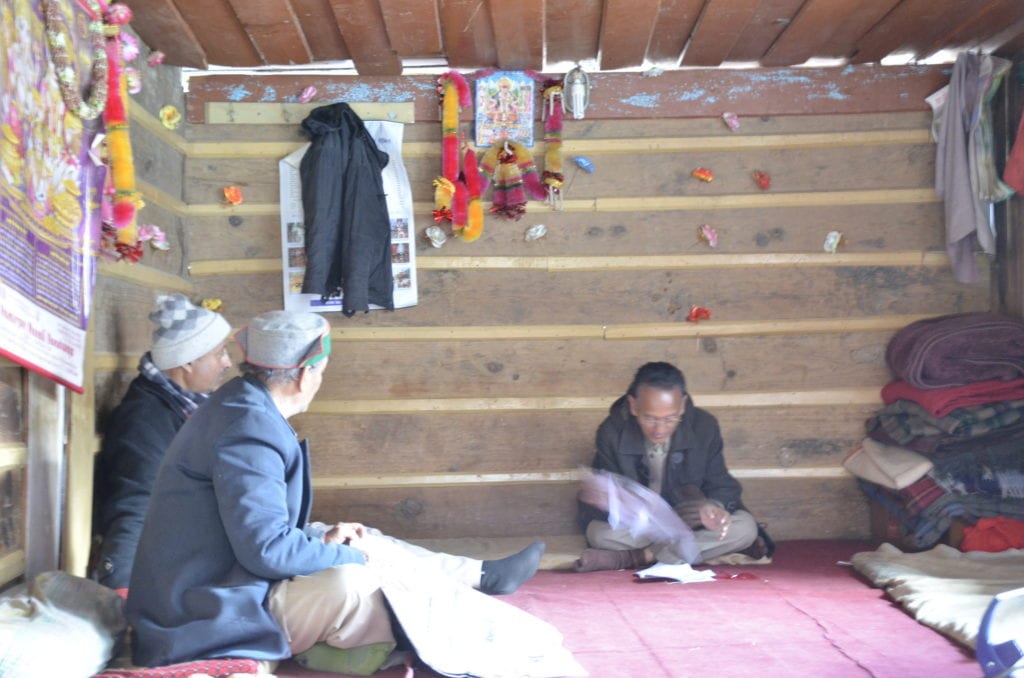
Gup Shup at Hatkoti Temple
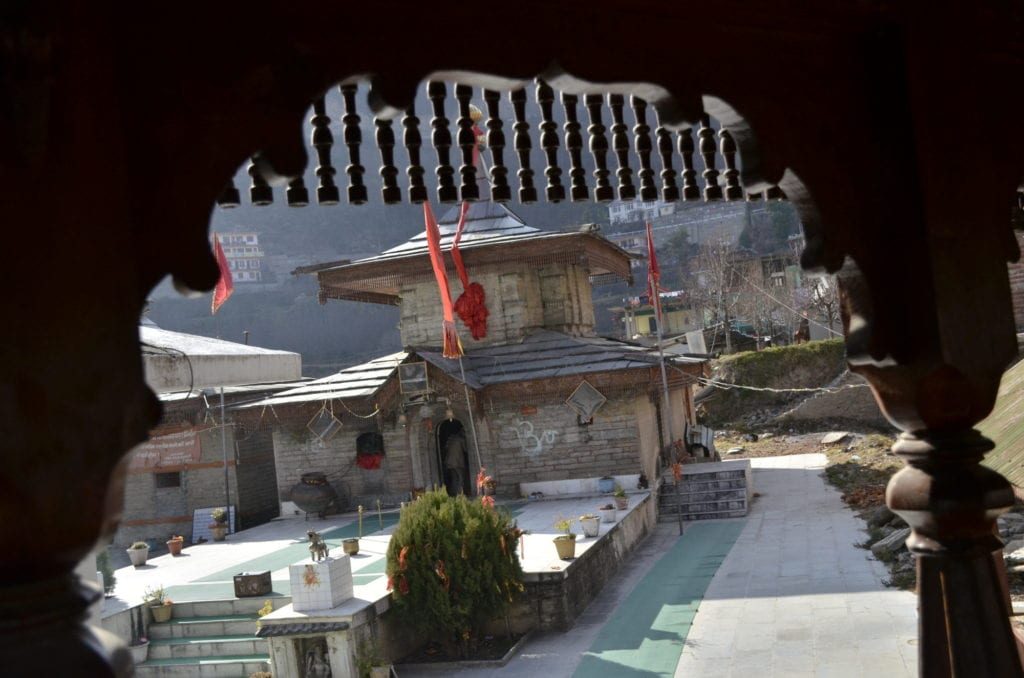
Hatkoti temple, on its own
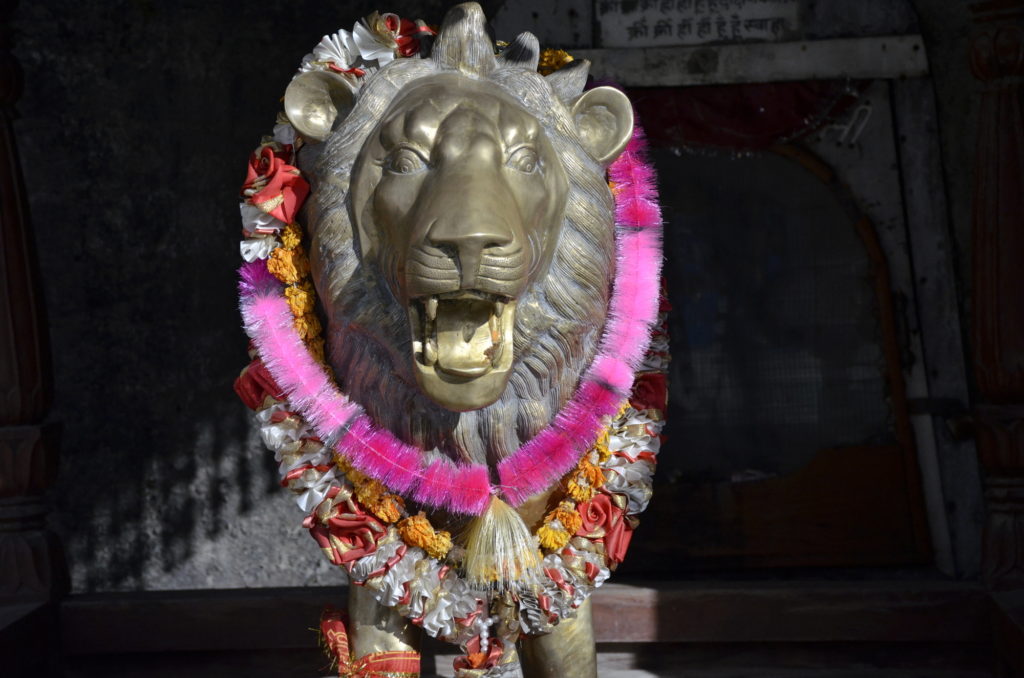
Guardians of Hatkoti
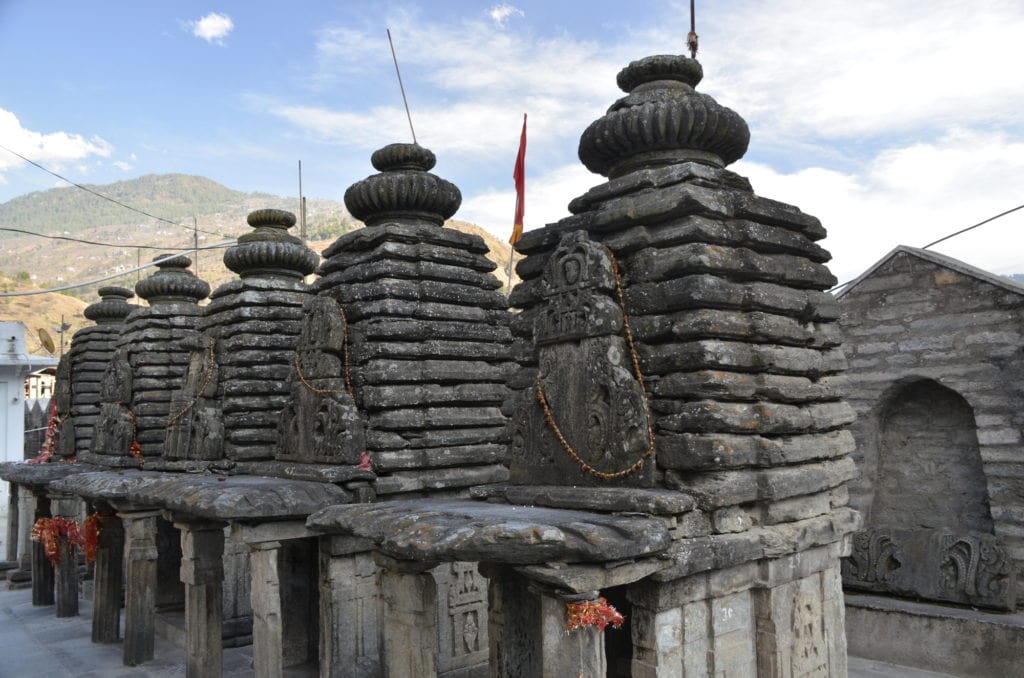
Shrines of Hatkoti
The route from Hatkoti towards Dehradun is bliss. It snakes along the Pabbar river at level; jumps over the confluence of Tons and Pabbar; and then runs along the Tons for several miles. There is not an outside soul and no Gujarati, South Indian, Chinese Vaisnavi Dhaba. I stopped at the riverside and was served fresh milk tea, by a Gujjar family.
Temples, rivers and hospitality, Hatkoti, Himachal Pradesh
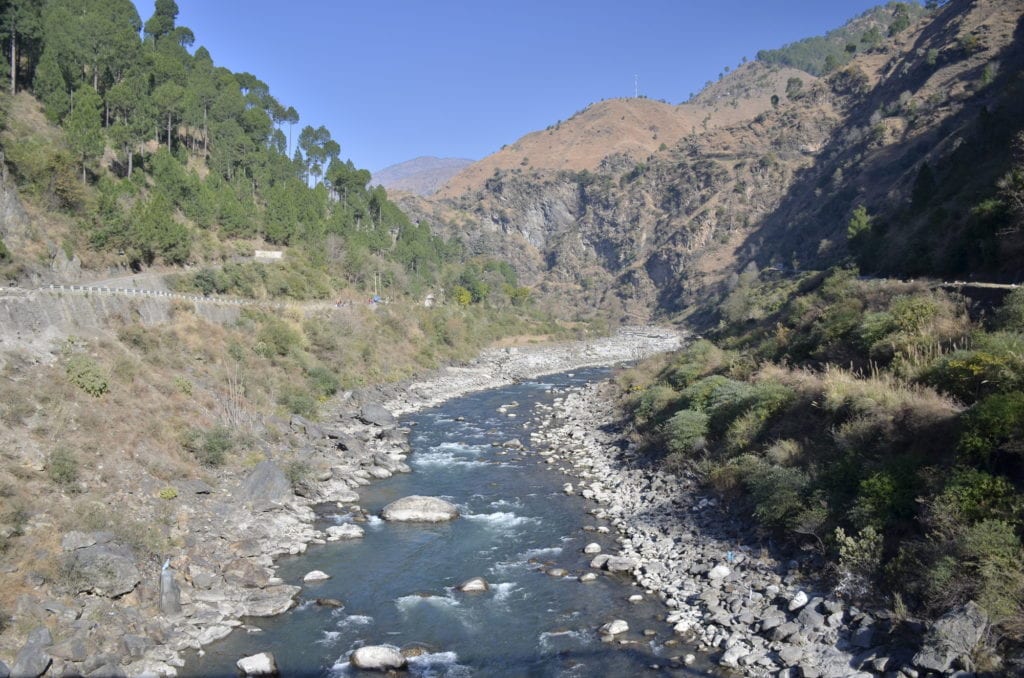
Pabbar river that meets Tons to flow into Yamuna eventually
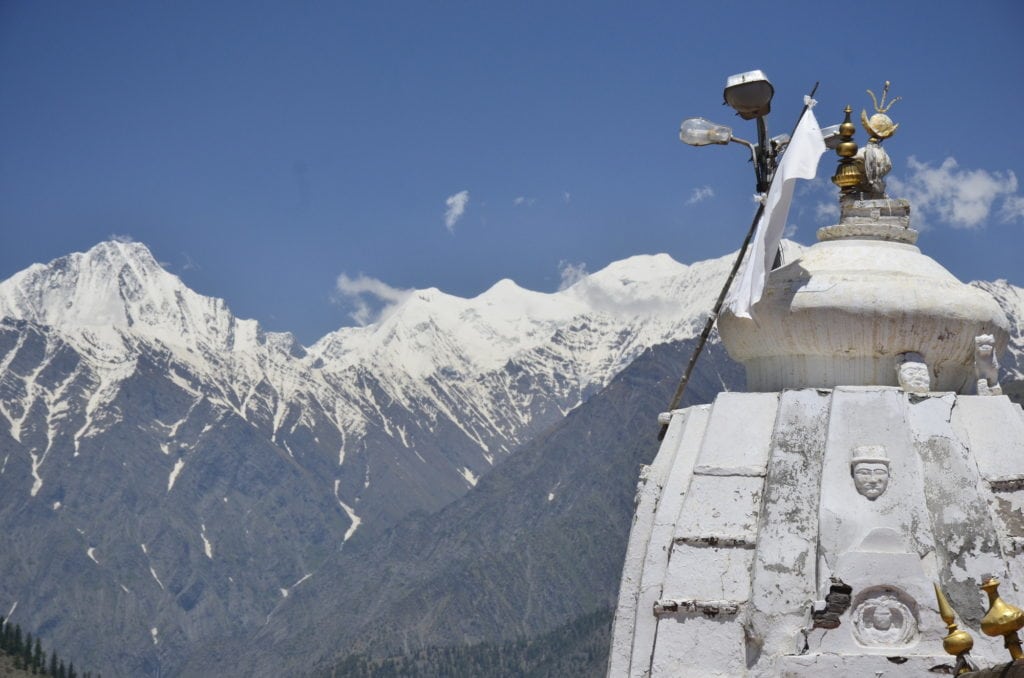
Harmony lived each day, Triloknath
Triloknath. Temples of Himachal…14
Triloknath is a small, but primary temple in Lahaul valley of Himachal. The valley is cut off for six months each year. The snow blocks the passes and the residents just live out the winter. Every now and then, a chopper addresses emergencies; and drops firewood when the winter sours. That will soon change as the tunnel near Manali will make it accessible all year.
The Chandrabagha, as Chenab is called in Lahaul, defines the Lahaul valley. A thin strip of green stretches on the sides of the river continuously. Then suddenly there is a sharp rock outcrop with a vertical face, almost as if someone worked on it. Across the river. Triloknath temple is on top of it.
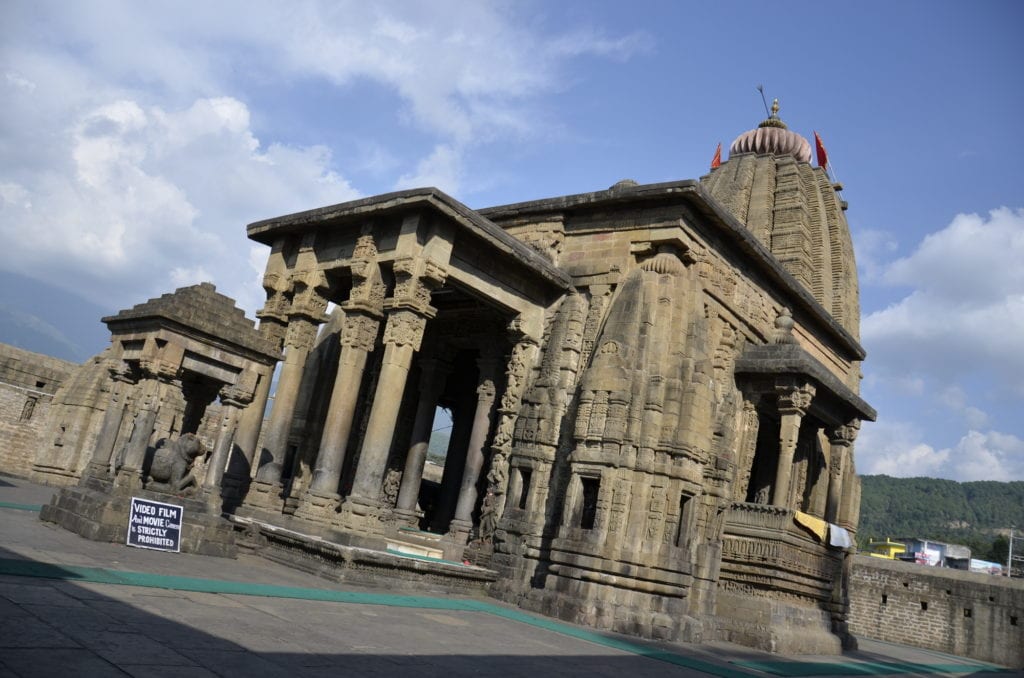
It is a totally nondescript temple with a deep message. Its original identity is claimed as both Hindu and Buddhist, 1000 or 2000 years old. The deity is worshipped as Shiva by Hindus and as a bodhisattva by Buddhists. The form of worship defines harmony. There are both Hindu and Buddhist priests sitting together. The pujas alternate between the traditions every few hours. The festivals also keep flipping between Hindu, Buddhist and common festivals. This is not photo-op secularism but deep lived harmony.
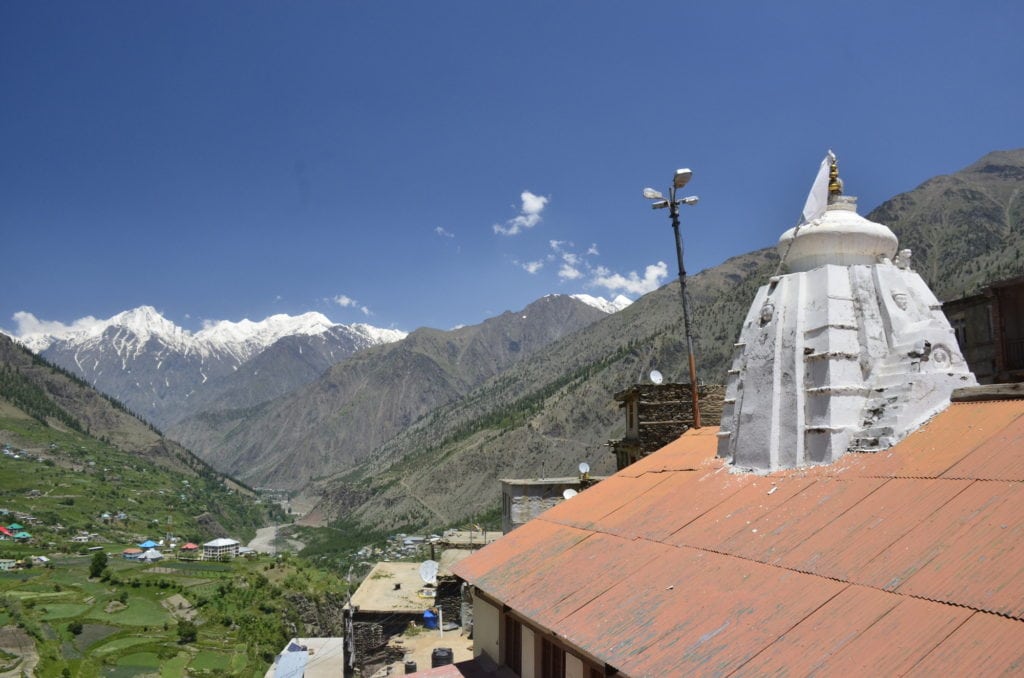
Triloknath towers above the Chandrabagha valley
The landscape around adds to the harmony. There are stunning patches of greenery amidst the sand and rock face. Chenab snaking through the thin valley. Suspension bridges adding mystery to the landscape. Streams cutting through mountain passes to feed Chenab. I was happy riding a scooter and took more than 4 hours to cover the 40 km distance along the valley.
Lived harmony in the temples of Himachal. Triloknath.
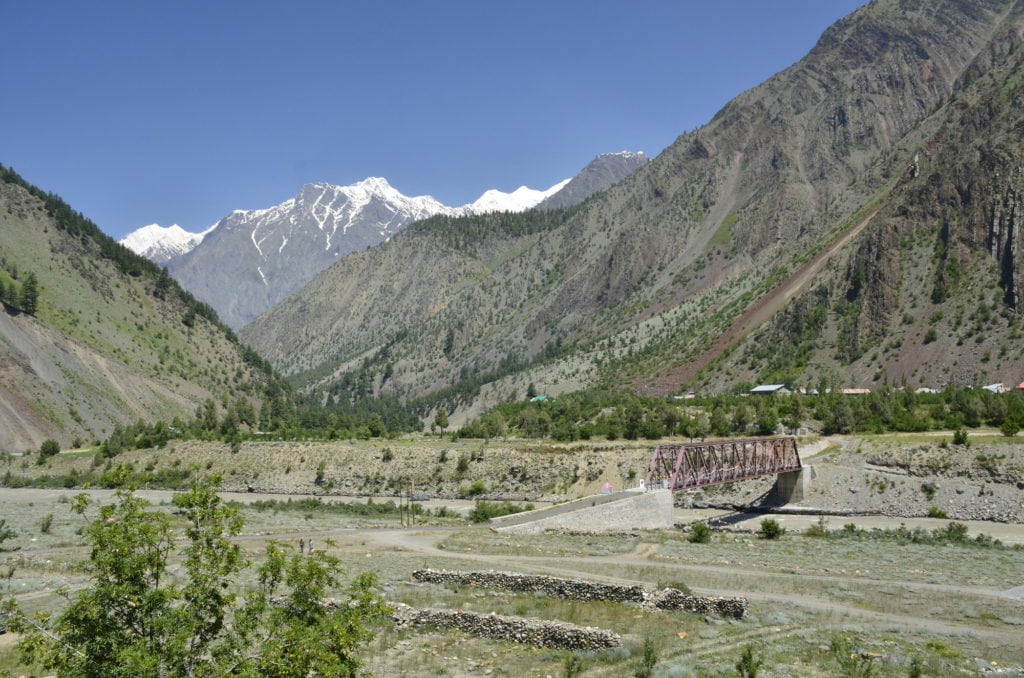
Chenab Valley
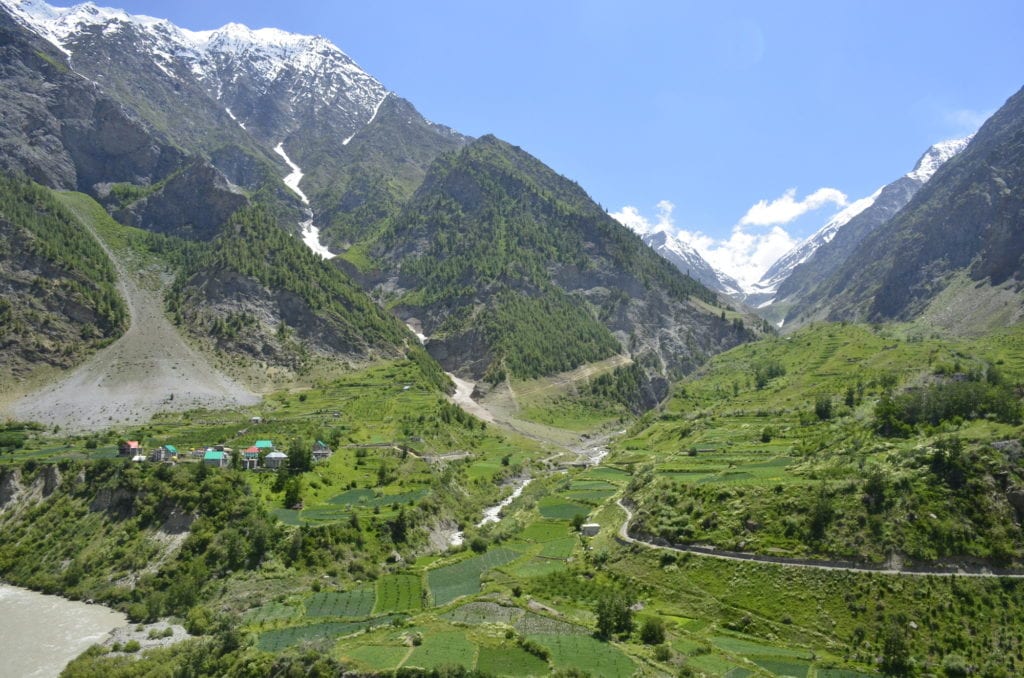
Around Trilokanath in Lahaul
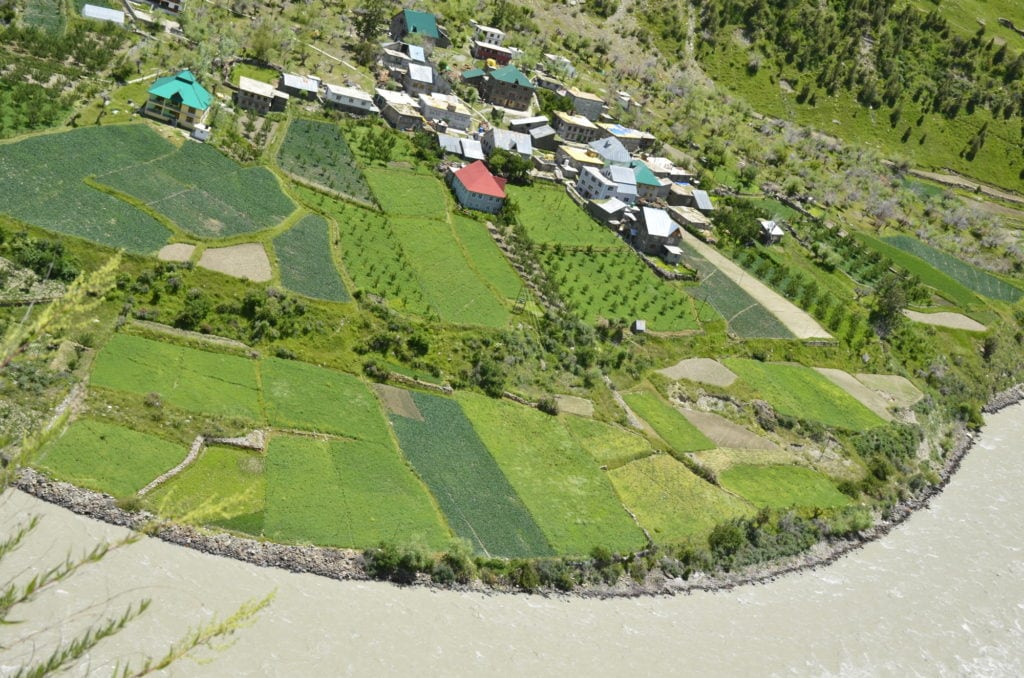
Farming at the riverfront of Chandrabagha
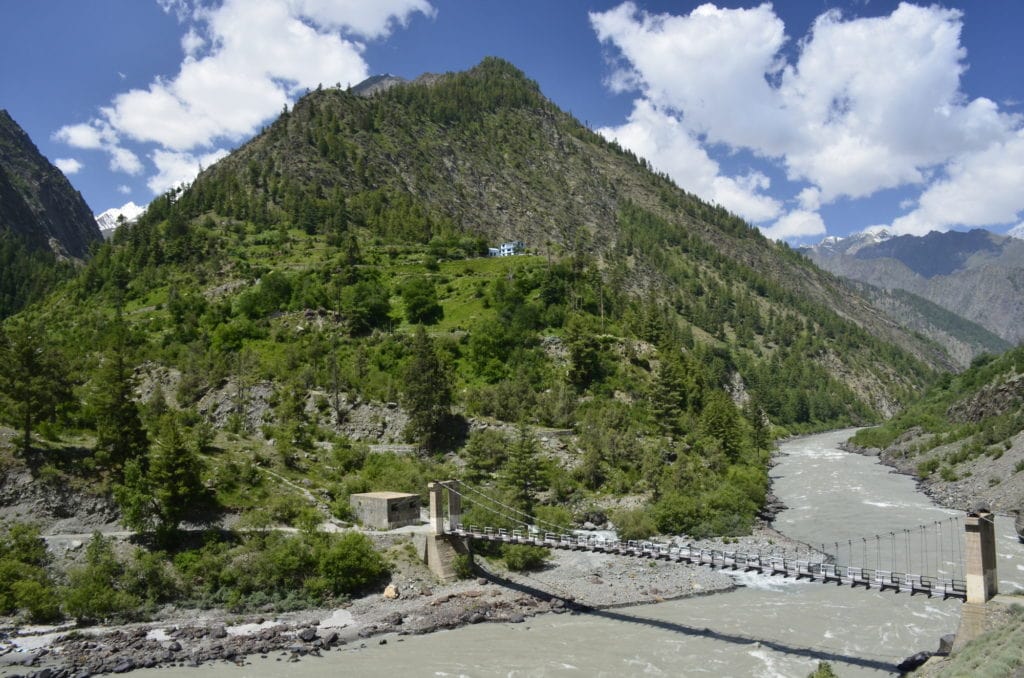
The many suspension bridges across Chandrabagha