
- All (76)
- Footsteps of Rama (3)
- Himachal (16)
- Quiz (0)
- Temples (16)
Footsteps of Rama 3
Geography of Krishna
Second Quiz, Lessons 4-6 Puranas
First Quiz, Lessons 1-3 Puranas
Lesson 19 2022
Deity Theft
Teerthas
Lesson 11
Lesson 7 2022
Lesson 8 2022
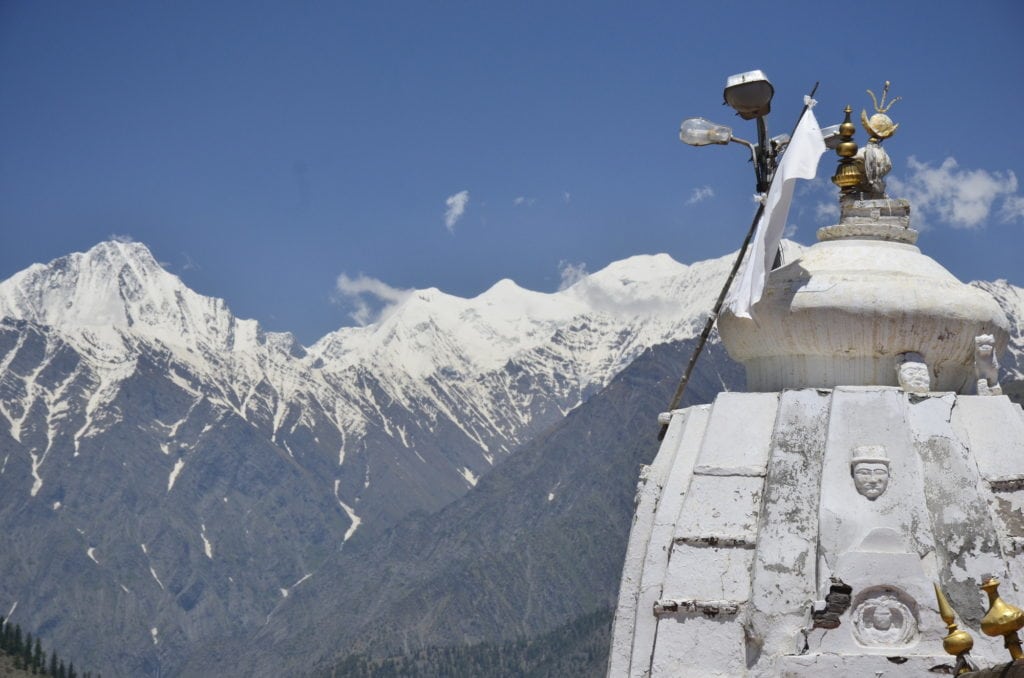
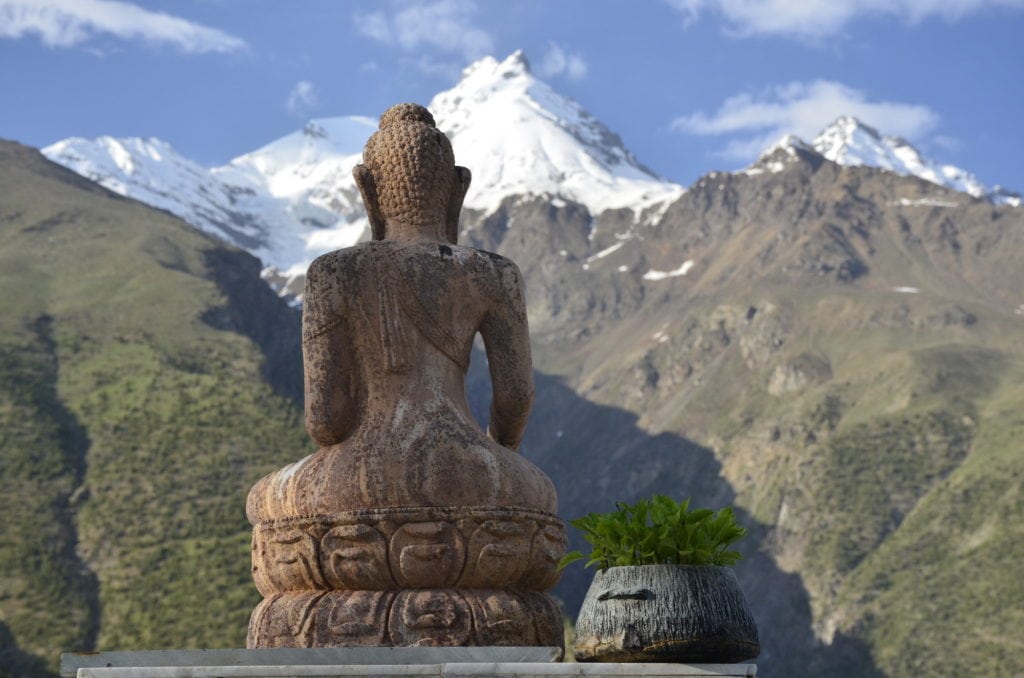
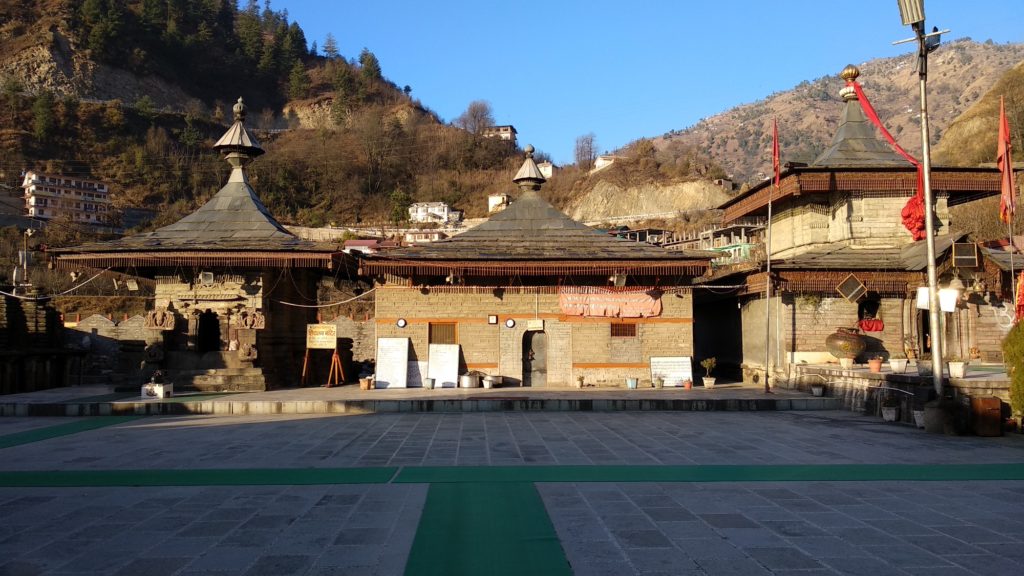
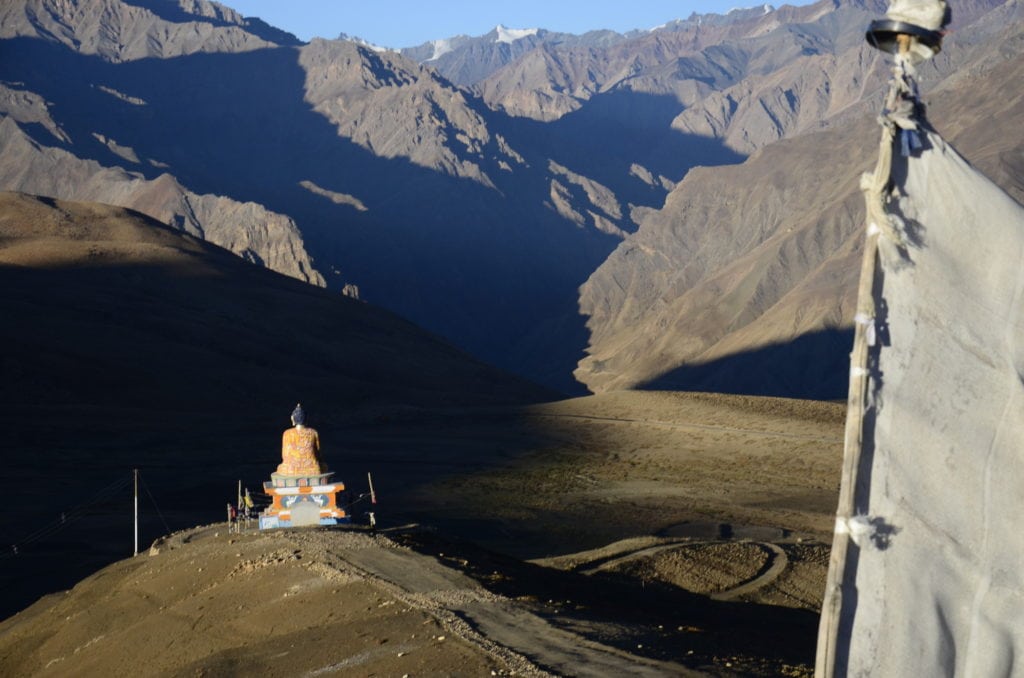
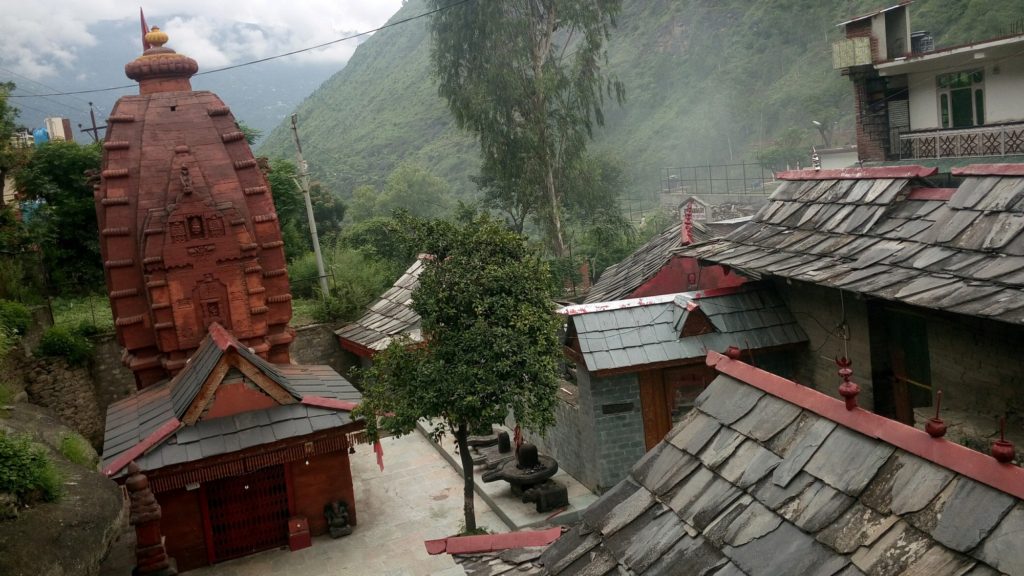
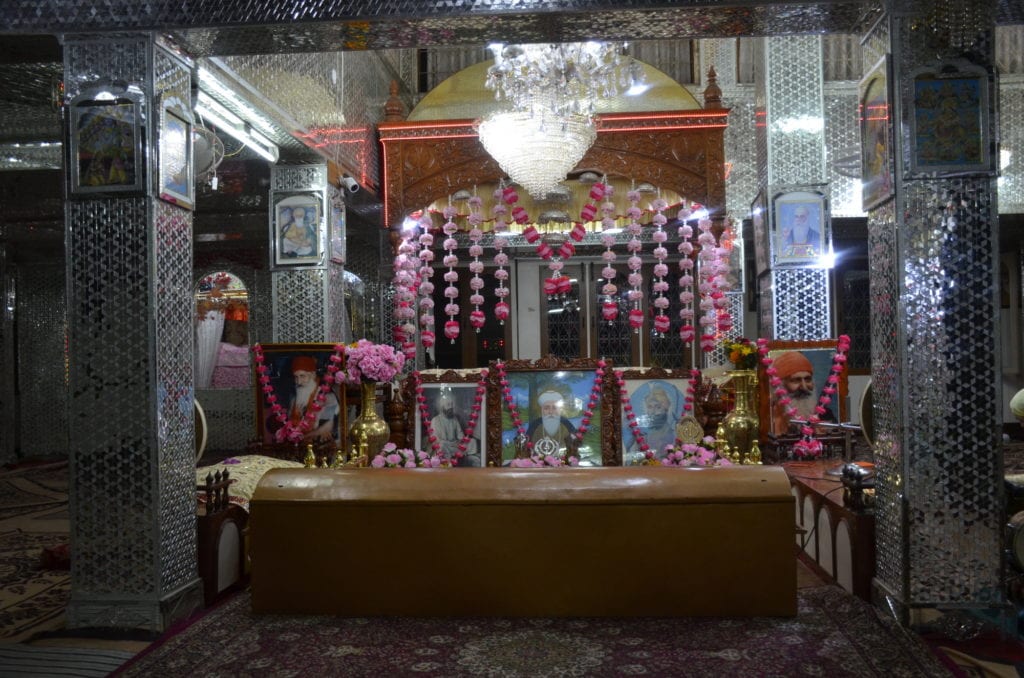
Variety of Manikiran
Manikiran. Temples of Himachal …. 8
Manikiran is a pilgrimage for Sikhs.. and the area around is bewildering mix of experiences. Manikiran is above hot sulphur springs. The small sarovar within the Gurudwara is always comfortably warm; and there are elaborate arrangements to stow away your shoes and clothes before the bath, including small plastic mugs. The Langar is cooked in the hot springs and needless to say, the Kitchen is always on.
Manikiran is on the banks of Parvati river which hints at its antiquity. The river cuts a narrow, deep valley; and for most of its length till it meets Beas at Kullu, it is hardly even visible from the road. People say that large parts of the valley don’t see the sunshine at all.
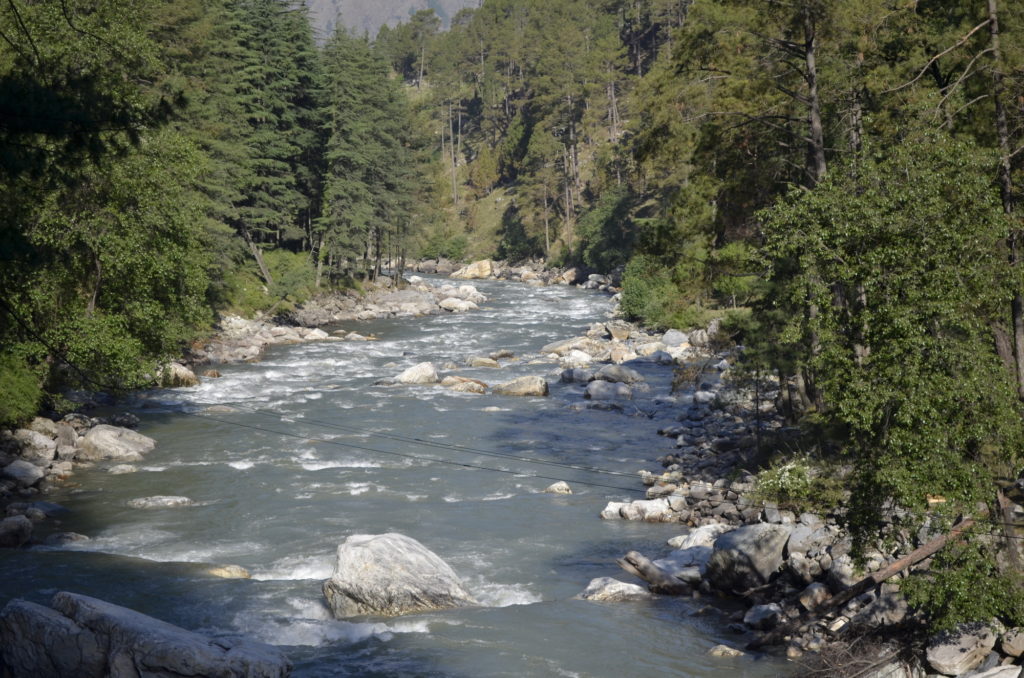
Secretive Parvati river
Kasol is nearabout and is a mecca for Israelis, if you can overlook the oxymoron. When I had first seen this area in 2013, I couldn’t believe you could have Hebrew menus deep in Himachal. It is a favourite jaunt for Israelis after their mandatory defence service.
That also made the nearby Kheerganga popular. There is term that a traveller friend of mine, Jitaditya Narzaryuses; Kasol Kids, who look for packaged adventure and selfies. So much so there have been murders and camping is no longer allowed.
It has one of India’s first private hydro plants, with water scavenged at mountain top and brought down 800 mts through a tunnel in the mountains. The project built a road. In 2013, I took the chance to drive up what was still a Kacha road for construction trucks. I had to sign a no liability declaration before the power plant would let me up the road. The road brought the legend of Malana closer to civilisation.
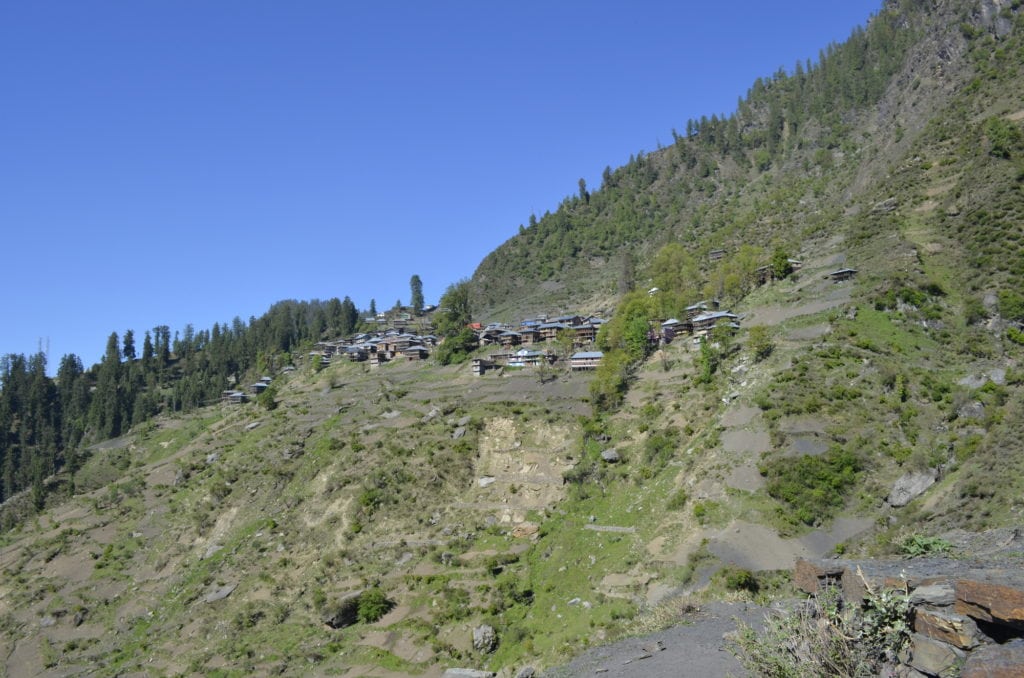
Malana village
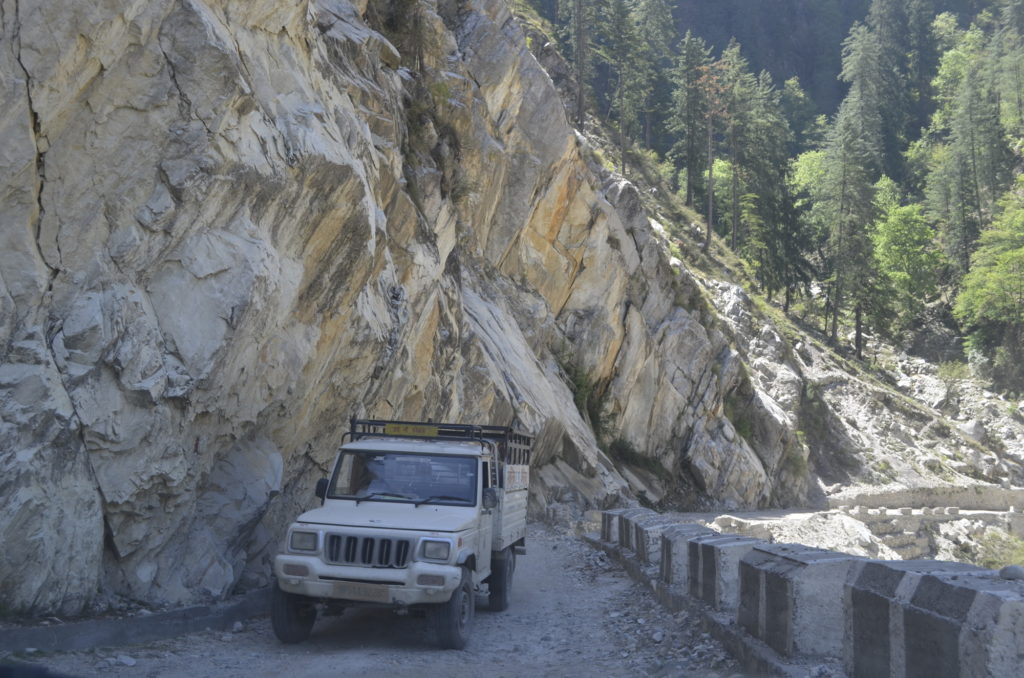
The road that brought Malana close to mainstream
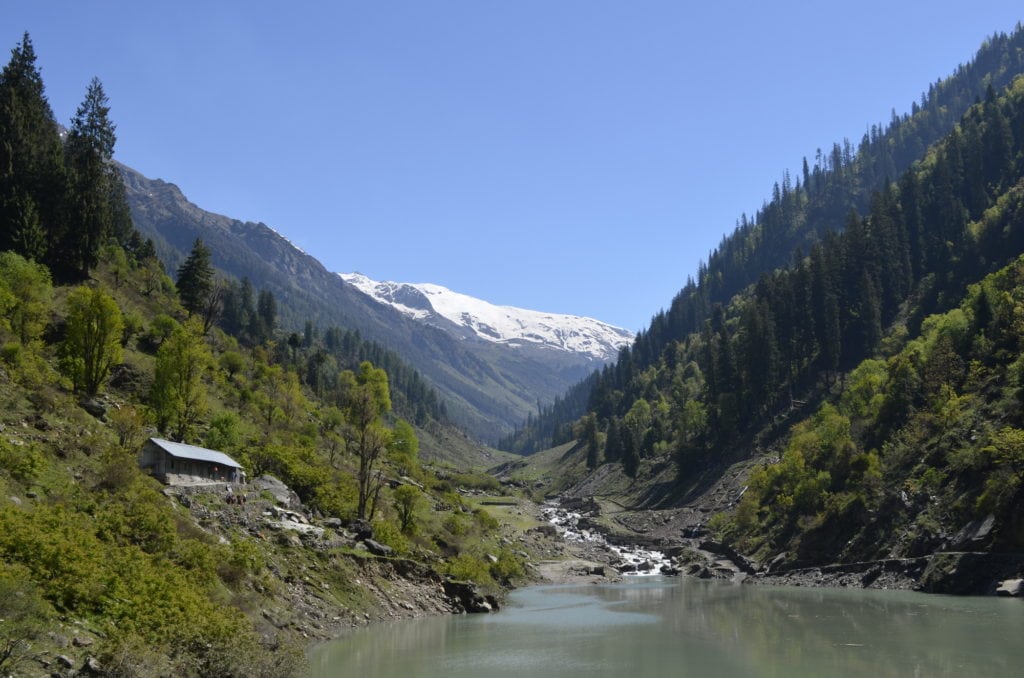
The reservoir that was being dammed up in 2013
Malana is a settlement at 8000 feet. The villagers of Malana believe they are descendants of Alexandar, left behind by the war. They practice true social distancing from outsiders and you may have to pay a fine if you lean on a wall in the village. It is left by the Government to its own laws and grows the truly world famous Malana cream, cannabis. The neighbourhood is famous for constant rave parties.
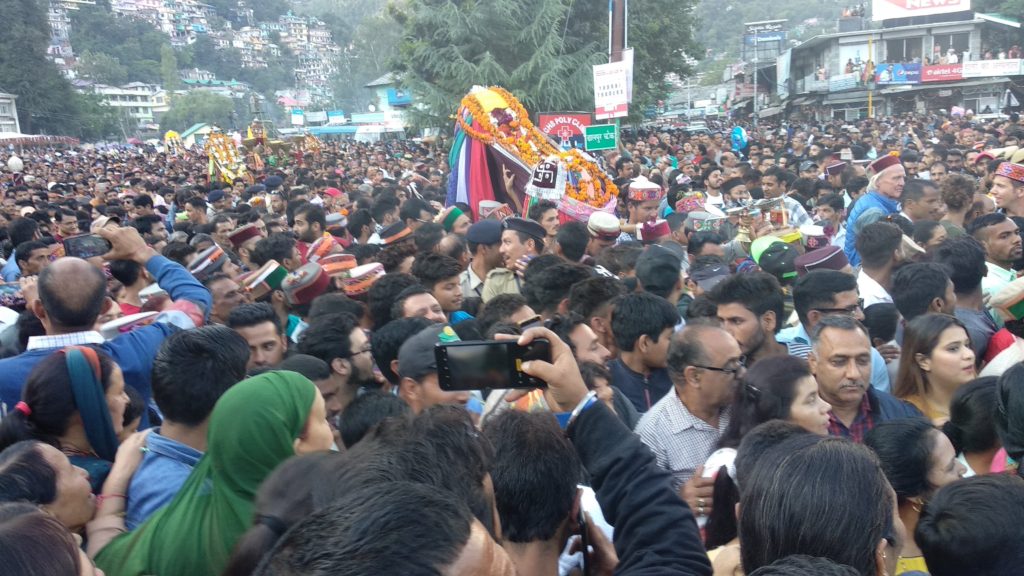
This area has a bewildering variety, tough israelis fresh from service; weak kneed Kasol Kids; inbreeding and wary villagers of Malana; Delhi kids coming with a single aim of getting stoned; unspoilt kids of Parvati valley itself; trekkers to the Pin Parvati pass; and power plant engineers. Amidst all, Manikiran is still true to its antiquity, a pilgrimage. That is what we did on my second trip in 2017, with Virendra Dhir on his birthday.
The variety of Manikiran, Parvati Valley, off Kullu, Himachal
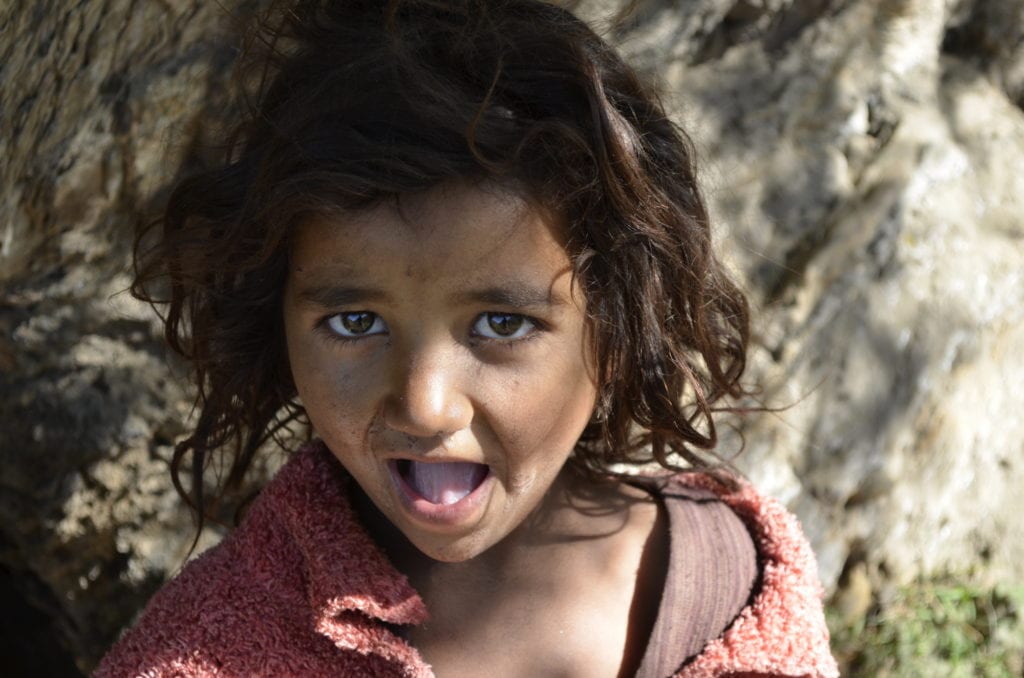
The people of Malana and Parvati valley
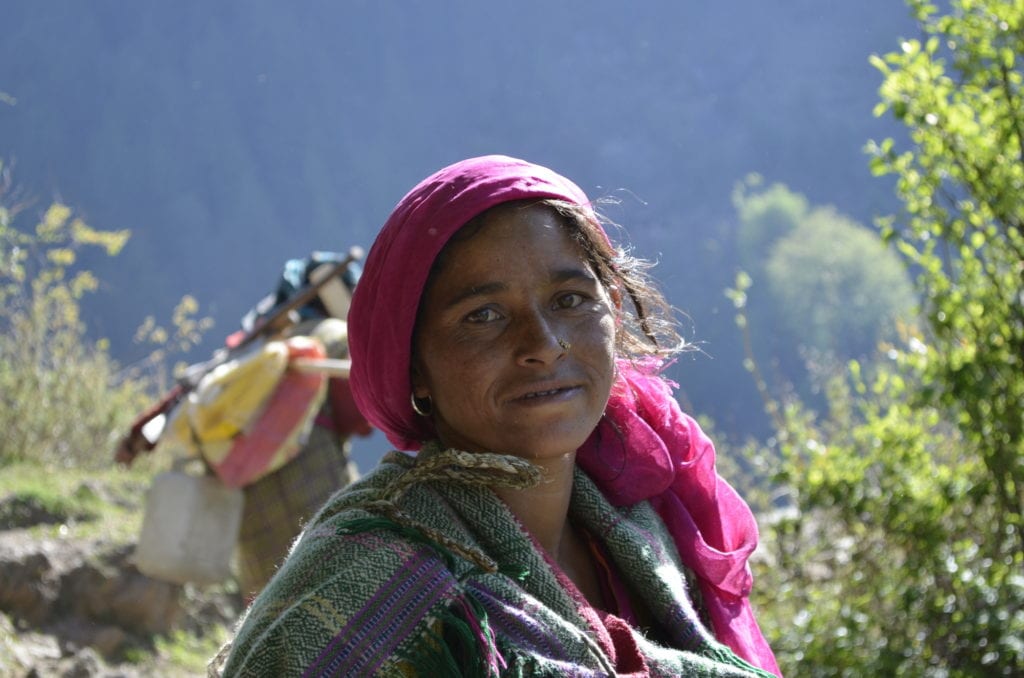
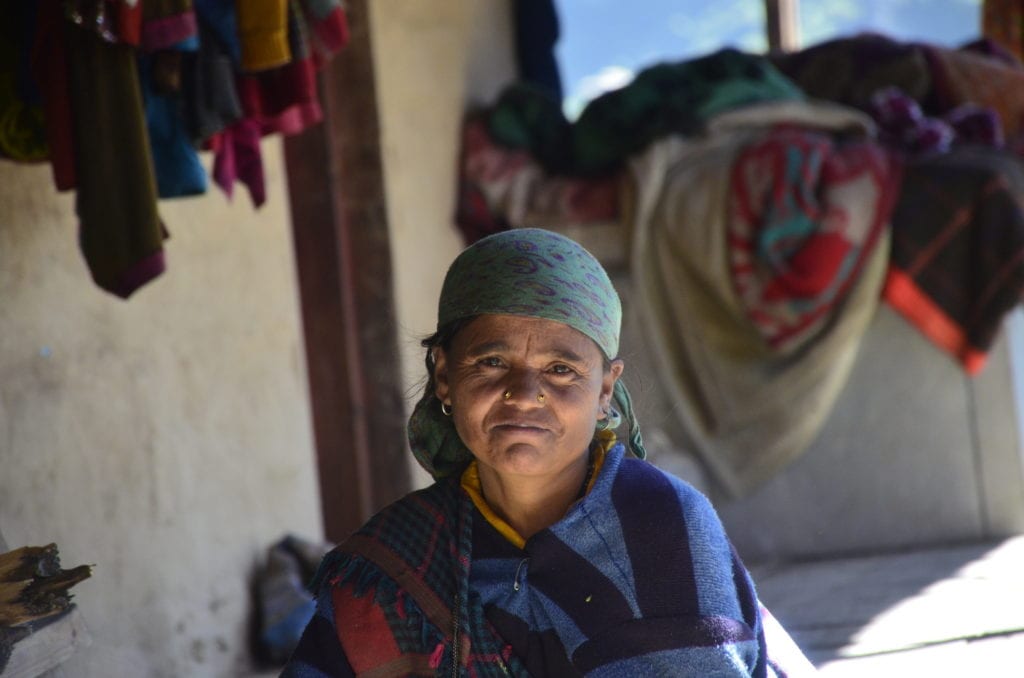
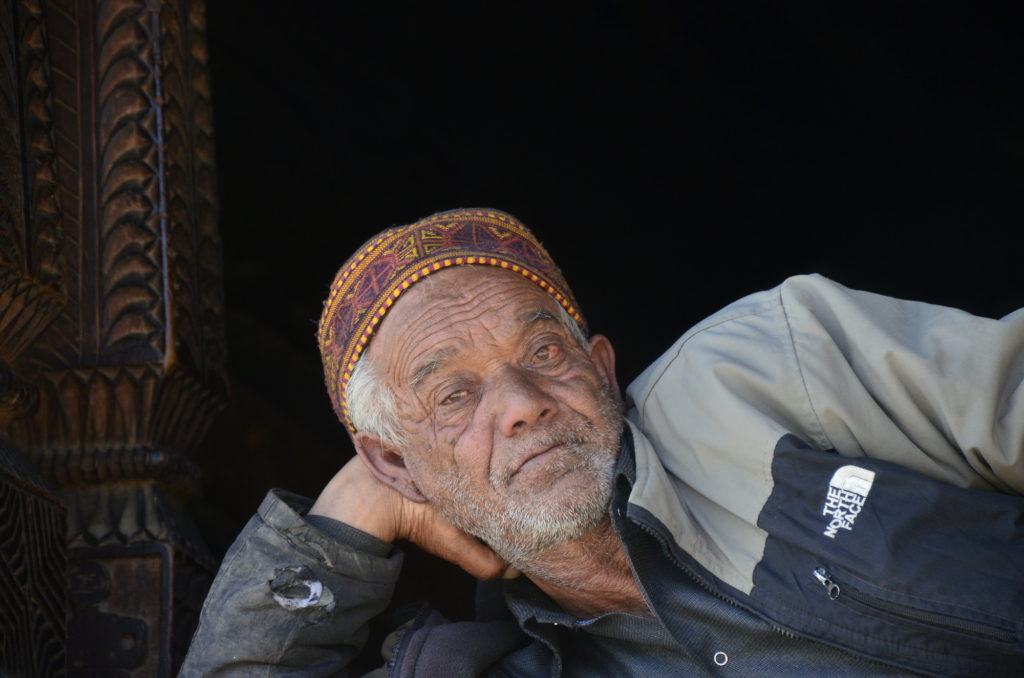
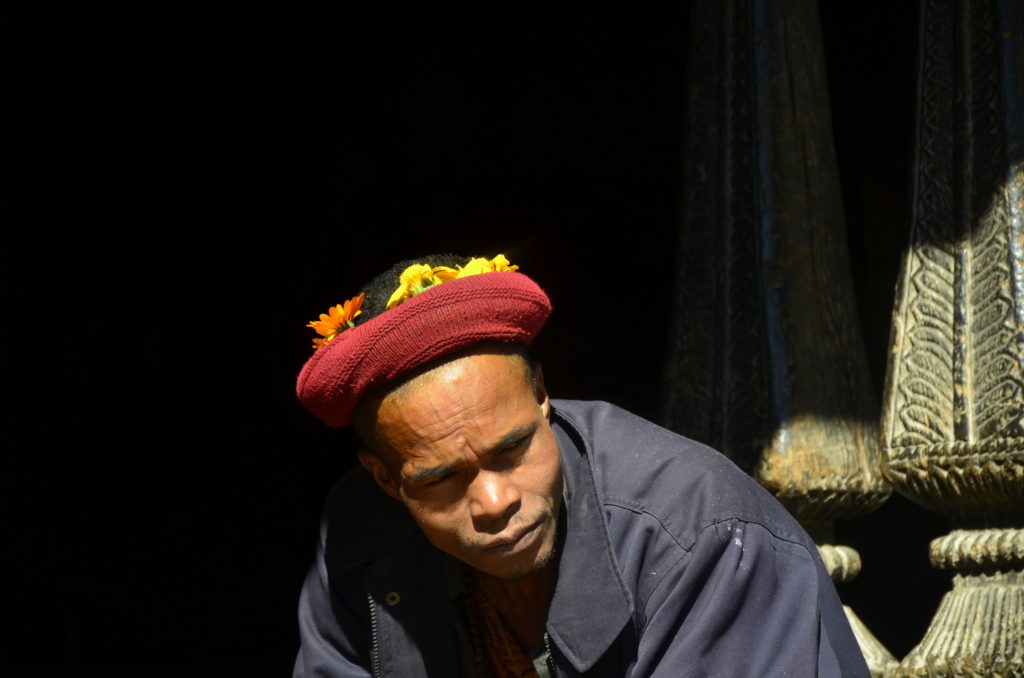
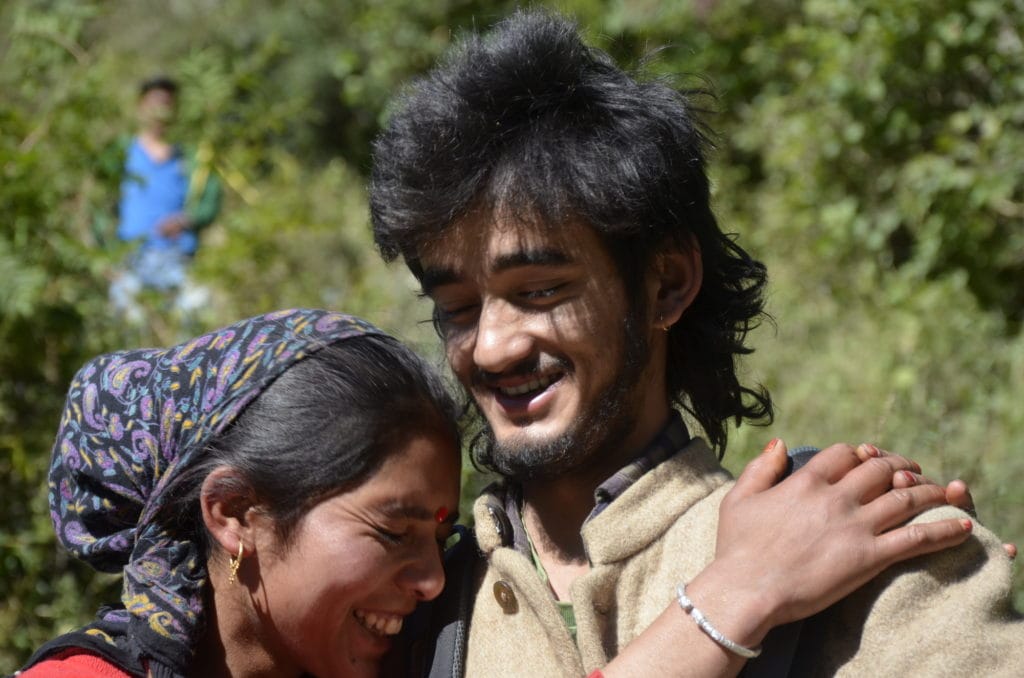
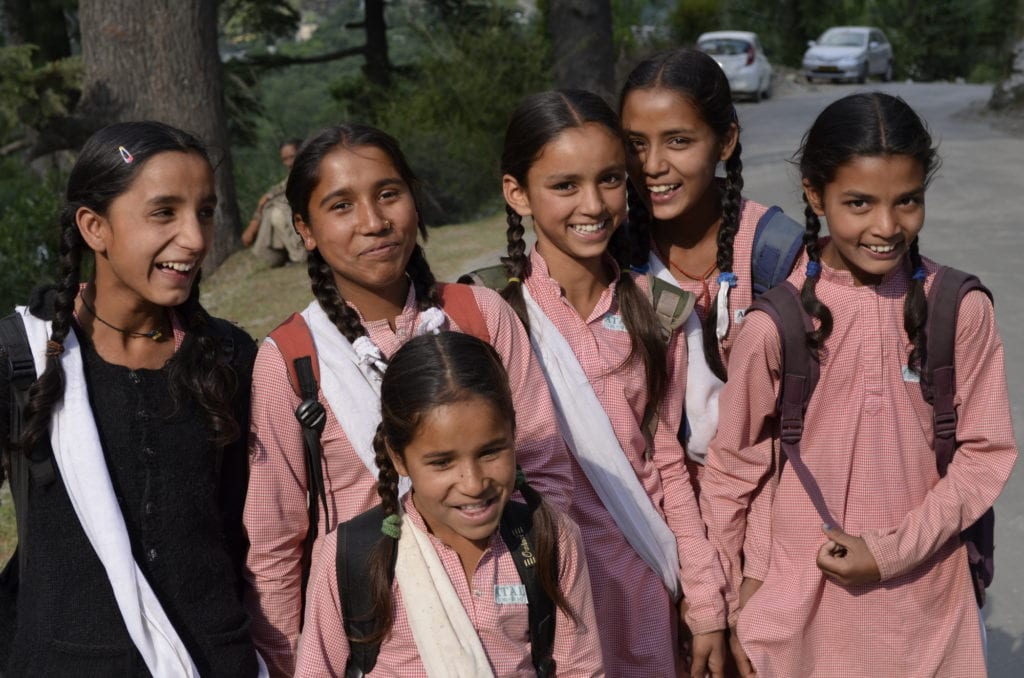
Innocence of schoolkids at Parvati Valley
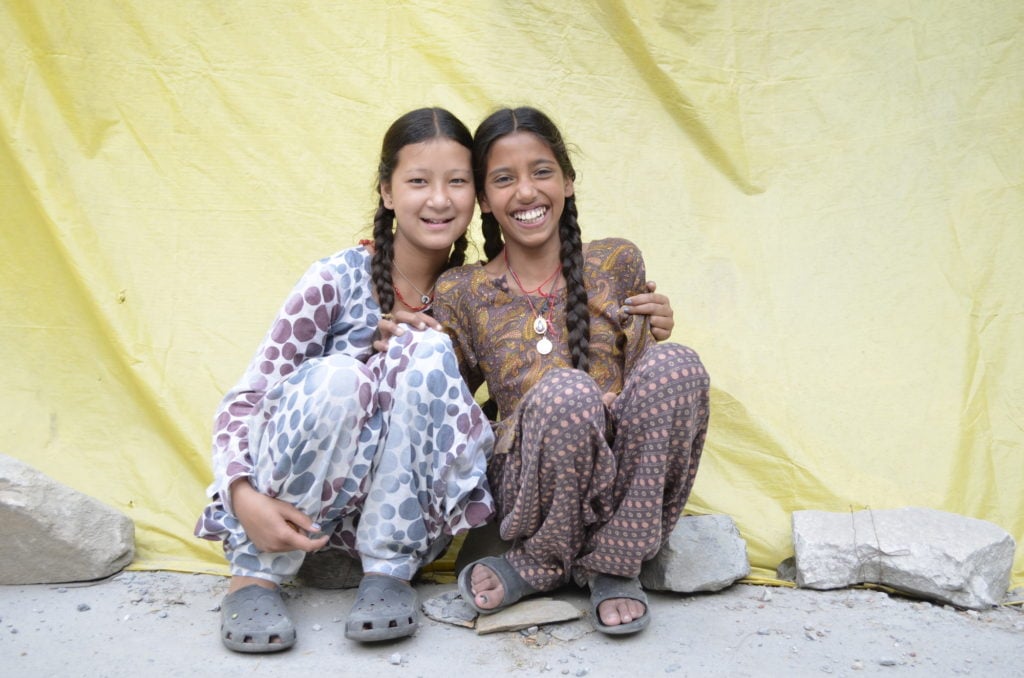
Joy of Parvati valley kids
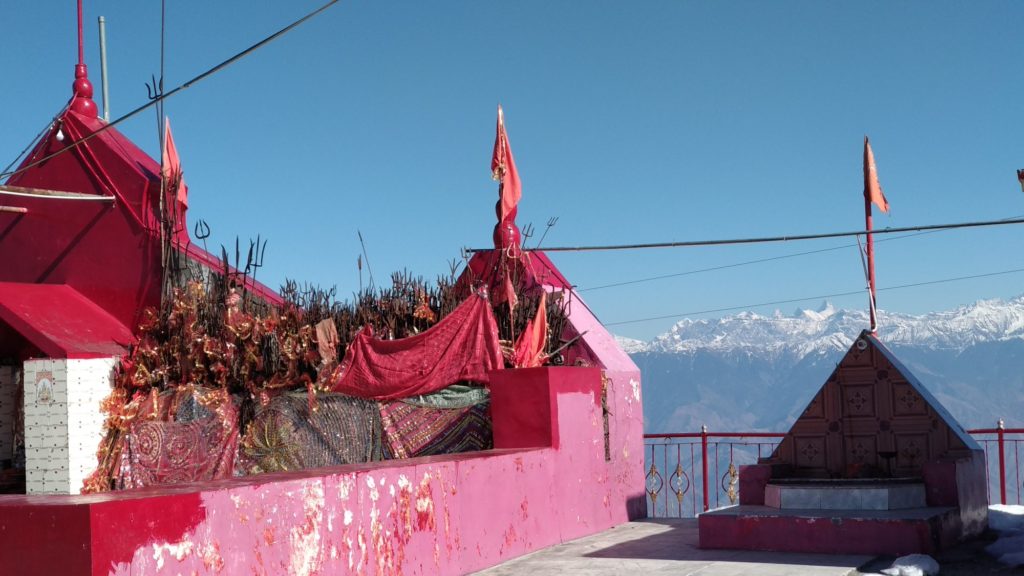
Mataji, Mountains and Maggi, Dainkund
Dainkund. Temples of Himachal… 6.
There are several temples in Himachal on hilltops. Although they are neither grand nor popular, the location makes up for it.
Dainkund is one such temple. At about 9000 feet height, it is near Dalhousie, itself lesser visited than Dharamshala or Shimla. It is a nice family hike, not too strenuous for anyone; It offers a 180 degree plus view of Himalayas, if you are blessed with a clear day.
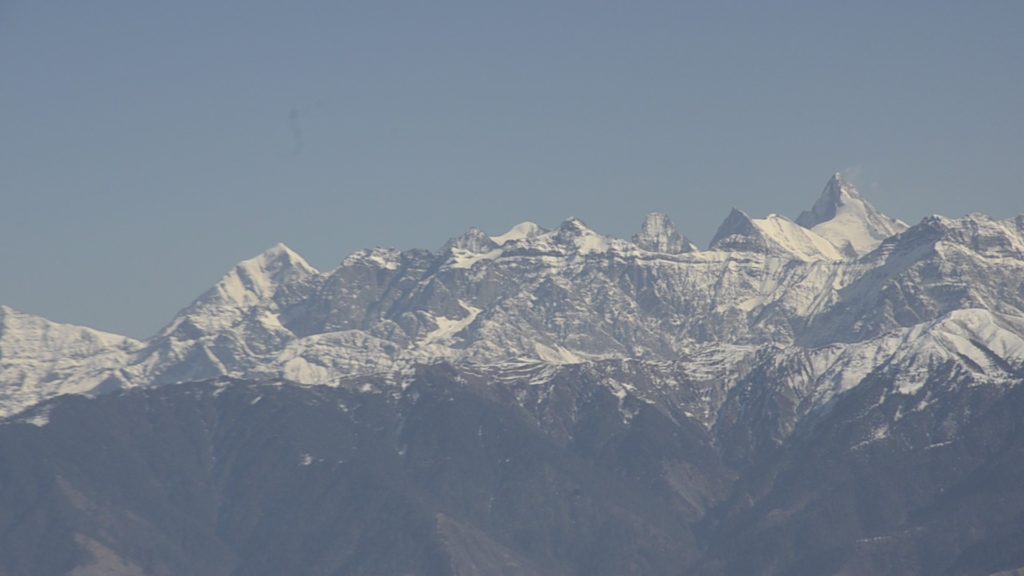
180 degree plus views from Dainkund
Dainkund is a hilltop drive from Dalhousie till a fork, after which the road is controlled by armed forces. My guess is a radar station and missile defence. That makes it a perfect location for the Himalayan vista too.
Each morning a defence vehicle comes down the hills and clears the start of civilian traffic. It is a snaking drive up to another spot where all traffic is stopped. Then you start walking: a sharp climb to a ridge and then walk on a narrow ridge top. It snows heavily and the repeated tourist flow melts and hardens the snow making it slippery to walk. After about 45 minutes or so, you reach the temple. Like most of the traditions of Himachal, this is a Devi temple, for Phaloni Devi.
Dainkund gives you early snow, a short family hike, a great snowcap view, ridgewalk, and picture book maggi.
Mataji, Mountains and Maggi at, Dainkund, Dalhousie, Himachal
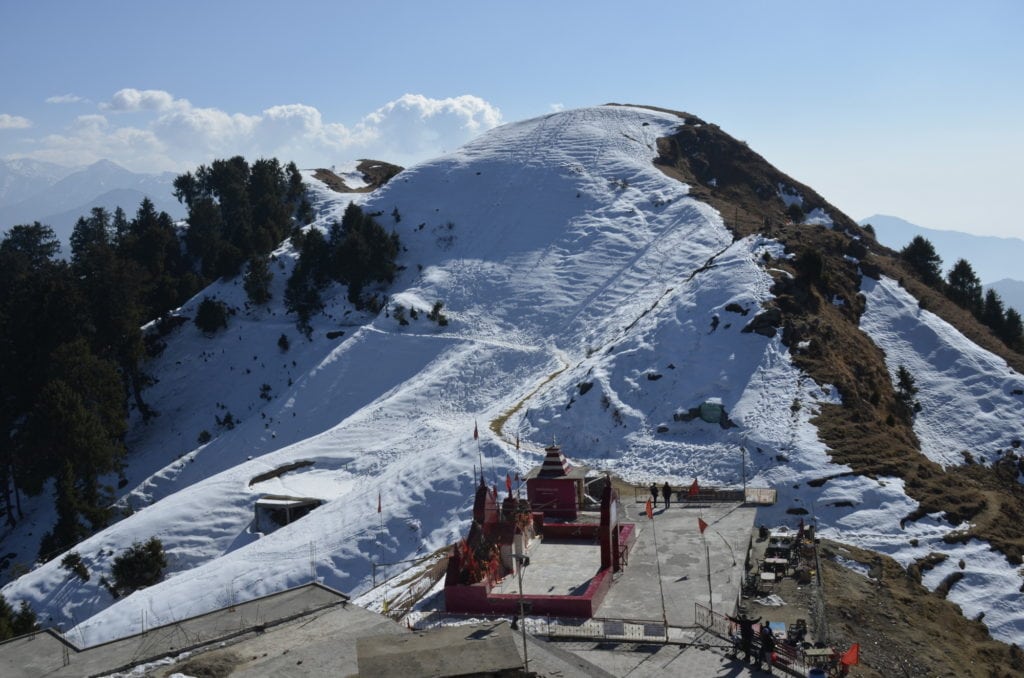
The lightest of new year snow at Dainkund
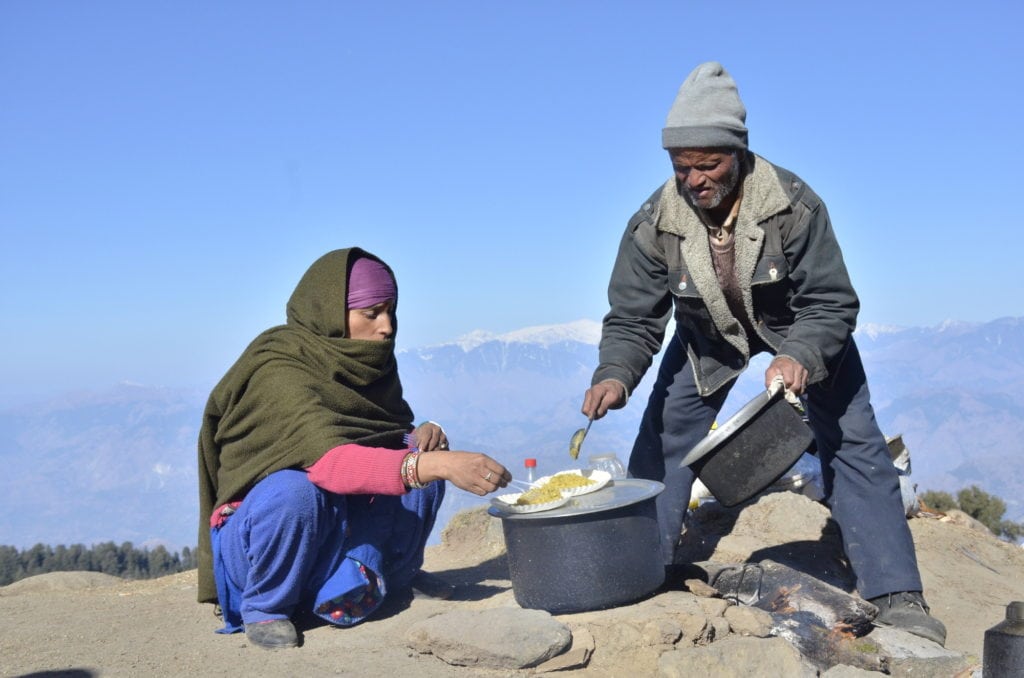
Maggi is made for mountains
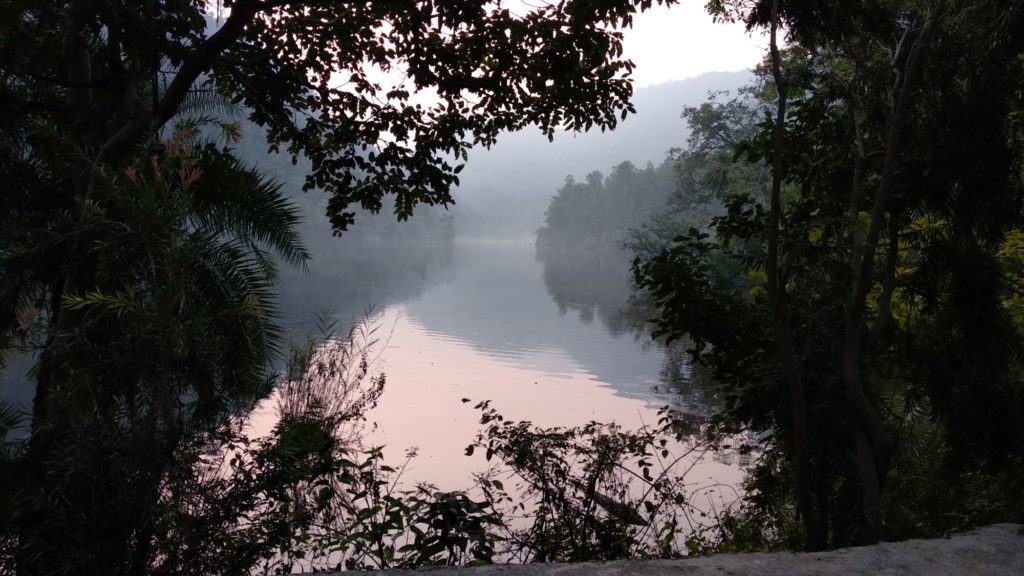
Lake placid at Renukaji
Renukaji, Temples of Himachal …2.
Renukaji is one of the quietest lake fronts in India and on Christmas holiday in 2017, I could not spot more than a dozen overnighters. Strange, considering the reserve area is only three hours from Chandigarh.
Perhaps, because hotels are not allowed to set up shop, that makes the place less attractive, comfort wise. Hidden inside Sirmour district of Himachal, it remains aloof from the rest of the State in every aspect.
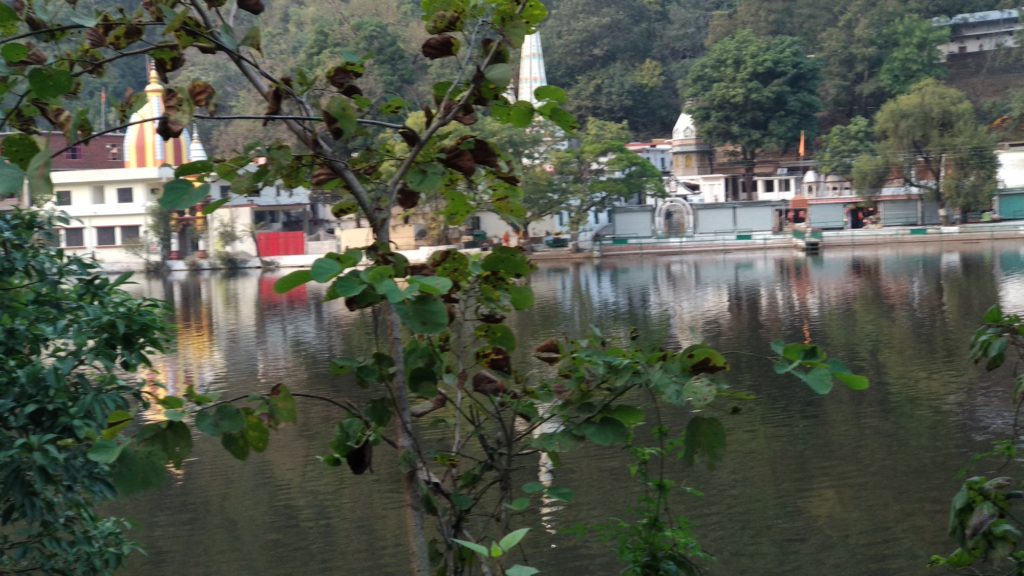
The birthplace of Parasurama, his mother is said to rise from the lake once a year, and a temple is dedicated to the same.
I reached Renukaji from Kalsi,a Buddhist edict and another interesting story, and travelled through roads that I would never be able to find again. I reached Renukaji only by evening. And while in the morning, the magical December mist had just begun to unfold, I had to leave.
Sometime again, Renukaji.
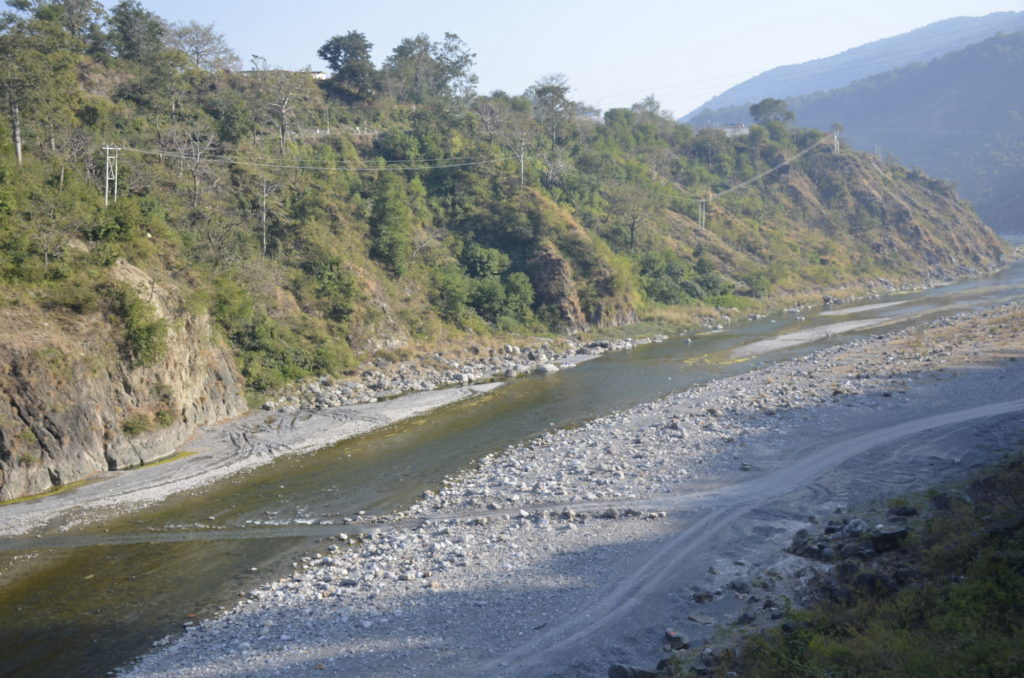
River Giri that joints Tons that joins Yamuna that Joins Ganga that merges with Bhramaputra
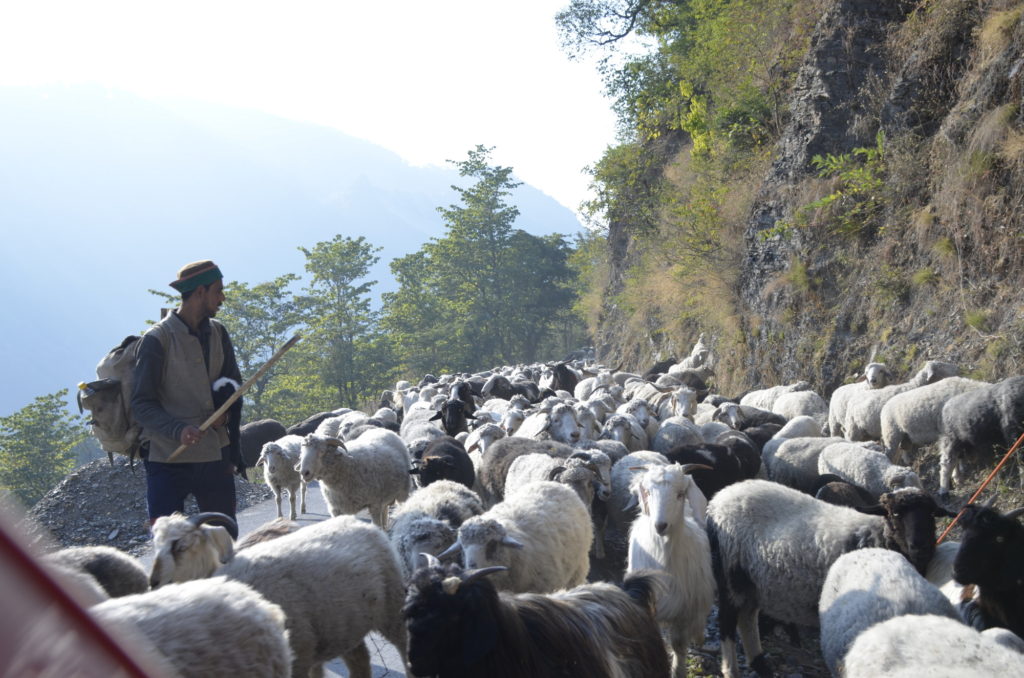
Sheperds on the way to Renukaji